When purchasing flexible packaging, buyers often focus on bag size, material, printing, and packaging format. However, another specification can directly affect durability, handling, sealing, transportation, and material cost: packaging thickness.
Choosing the right thickness does not simply mean selecting the thickest available packaging. The appropriate specification depends on the product, material structure, barrier requirements, package size, filling process, and transportation conditions.
For brands, importers, wholesalers, and manufacturers sourcing flexible packaging in bulk, understanding how thickness works can make it easier to compare packaging specifications and communicate requirements with a packaging supplier.
What Does Flexible Packaging Thickness Mean?
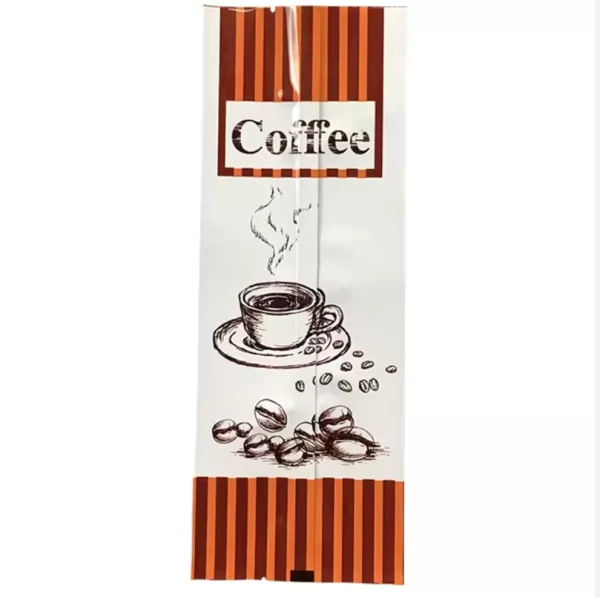
Flexible packaging thickness refers to the thickness of the packaging film or the complete material structure used to manufacture a pouch or bag.
Flexible packaging can consist of one or multiple material layers. Each layer may serve a different purpose, such as printing, strength, barrier protection, or heat sealing.
For multilayer packaging, buyers should distinguish between the thickness of an individual film layer and the total thickness of the finished packaging structure.
This distinction is important when comparing specifications from different proveedores de envases flexibles. Two bags may have a similar total thickness but use different material combinations and therefore provide different performance characteristics.
How Is Flexible Packaging Thickness Measured?
Flexible packaging thickness is commonly measured in microns, also written as μm or micron. Millimeters may also be used in packaging specifications.
For reference:
| Measurement | Equivalent |
|---|---|
| 20 μm | 0.02 mm |
| 50 μm | 0.05 mm |
| 75 μm | 0.075 mm |
| 100 μm | 0.10 mm |
| 150 μm | 0.15 mm |
When reviewing a packaging specification, buyers should confirm whether the stated measurement refers to a single material layer or the total thickness of the packaging structure.
For international B2B purchasing, using a clear measurement unit can also help avoid misunderstandings when comparing products from different suppliers.
What Factors Affect Flexible Packaging Thickness?
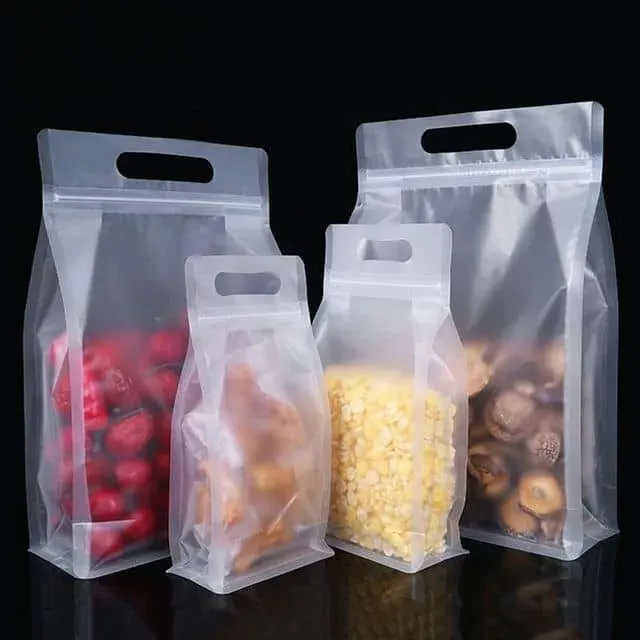

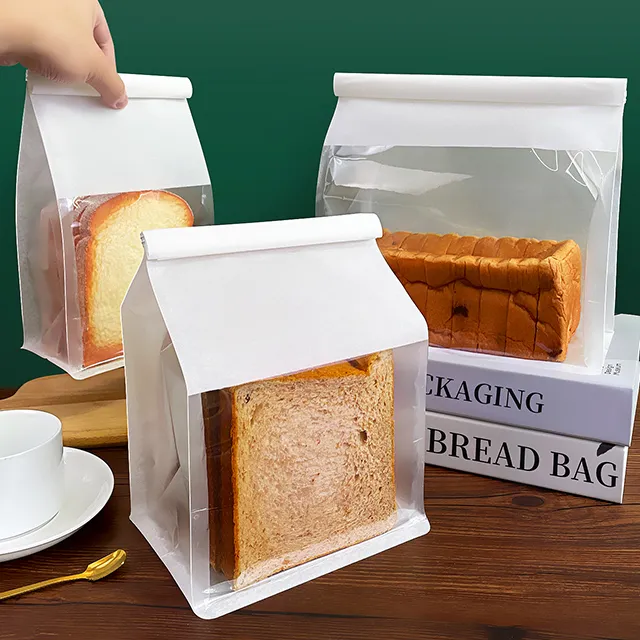
There is no universal thickness that works for every flexible packaging application. The right specification depends on several factors.
Product Weight
The weight of the packaged product can influence the mechanical requirements of the bag.
A lightweight retail product may not require the same level of physical strength as a heavier bulk package. However, product weight alone should not determine packaging thickness.
The package dimensions, product characteristics, material structure, and transportation conditions should also be considered.
Packaging Material
Different packaging materials have different physical and functional characteristics.
Flexible packaging may use materials such as PE, PET, PP, metallized films, aluminum foil, paper-based layers, or combinations of different materials.
Therefore, thickness should always be evaluated together with material selection. A thicker structure made from an unsuitable material may not provide the performance required for a particular product.
Estructura del material
Many flexible packaging products use multilayer structures. Different layers can contribute to:
- Mechanical strength
- Barrier protection
- Imprimibilidad
- Sellado térmico
- Flexibilidad
- Product protection
This means that total packaging thickness is only one part of the overall packaging specification.
Package Size
Larger bags may experience greater mechanical stress during filling, handling, storage, and transportation.
For this reason, package dimensions should be considered when determining an appropriate flexible packaging structure.
Filling and Sealing Process
The packaging must be compatible with the buyer’s filling and sealing equipment.
A suitable structure should provide reliable sealing while maintaining the required flexibility and mechanical strength during production.
For businesses using automated packaging equipment, packaging specifications should be confirmed with the supplier before placing a bulk order.
Transportation and Storage
Packaging can experience friction, compression, puncture, and repeated handling during transportation.
Products shipped internationally or stored for extended periods may therefore require packaging with appropriate mechanical strength and barrier performance.
How Does Packaging Thickness Affect Performance?
Packaging thickness can influence the physical performance of a flexible pouch or bag, but its effect should always be considered together with the material structure.
Durabilidad
A suitable packaging structure can help the package withstand normal handling during filling, transportation, storage, and retail distribution.
Puncture Resistance
For products with sharp edges, irregular shapes, or heavier weights, resistance to puncture can be an important consideration.
However, puncture resistance is not determined by thickness alone. Material selection and layer structure also play important roles.
Stiffness and Handling
Packaging thickness can affect how a pouch feels and behaves during handling.
Depending on the product and bag format, buyers may need a balance between flexibility and stiffness.
Sealing Performance
The sealing layer and overall material structure influence how effectively a pouch can be heat sealed.
A suitable packaging specification should work with the intended sealing temperature, equipment, and production process.
Transportation Protection
Packaging needs to maintain its integrity throughout the supply chain. The right combination of thickness, material, and structure can help reduce the risk of damage during transportation and handling.
Does Thicker Flexible Packaging Mean Better Packaging?
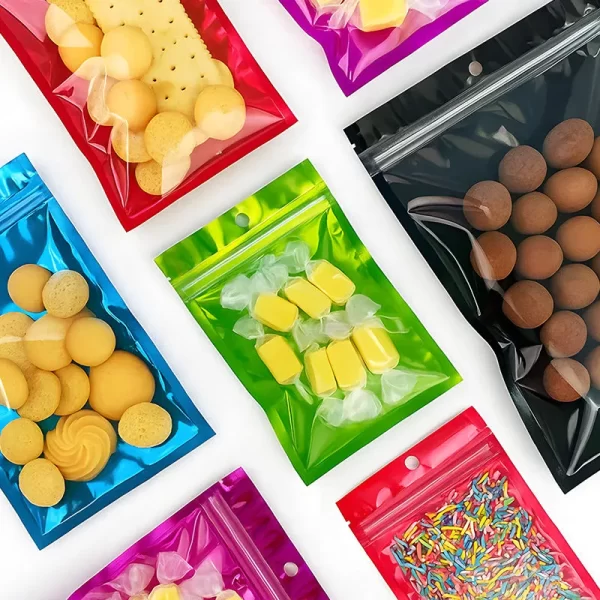
No necesariamente.
A common mistake in packaging procurement is assuming that a thicker bag will always provide better protection.
In reality, packaging performance depends on several factors, including:
- Selección de materiales
- Layer structure
- Barrier properties
- Espesor
- Resistencia de la junta
- Bag design
- Características del producto
- Transportation conditions
For example, a multilayer high-barrier structure may provide better protection for a sensitive product than simply increasing the thickness of a less suitable material.
The goal should therefore be to select the appropriate specification rather than the maximum possible thickness.
How Thick Should Flexible Packaging Be?
There is no single standard thickness suitable for all flexible packaging products.
Instead, buyers should determine the required specification based on the intended application.
For Lightweight Products
Lightweight products packaged for normal retail distribution may not require a heavy packaging structure if the product does not create significant mechanical stress.
For Heavy Products
Larger or heavier products may require greater mechanical strength to withstand filling, lifting, transportation, and handling.
For Sensitive Products
Products that are sensitive to oxygen, moisture, light, or other environmental factors may require a suitable barrier structure.
In these applications, material selection and layer configuration can be just as important as total thickness.
For Long-Distance Shipping
Packaging intended for international transportation may need to withstand longer handling cycles and more demanding logistics conditions.
The final specification should therefore take transportation and storage conditions into account.
Flexible Packaging Thickness vs Material Structure
Thickness and material structure should not be treated as the same specification.
For example, a flexible pouch may contain different layers designed for different functions:
- Outer layer for printing and mechanical support
- Barrier layer for product protection
- Inner layer for heat sealing and product contact
The thickness of the finished packaging depends on the combination of these layers.
This is why B2B buyers should ask suppliers for the complete material structure instead of comparing thickness numbers alone.
When evaluating two packaging suppliers, it is useful to compare:
| Specification | Qué comprobar |
|---|---|
| Material | Type of film or paper |
| Structure | Number and combination of layers |
| Espesor | Total structure thickness |
| Barrier | Oxygen, moisture, or light protection |
| Sellado | Heat-seal requirements |
| Format | Stand up, flat bottom, vacuum, etc. |
| Aplicación | Product and distribution conditions |
How Does Flexible Packaging Thickness Affect Cost?
Thickness can influence packaging cost because thicker structures generally require more material.
However, thickness is only one factor affecting the final price of flexible packaging.
Other factors include:
- Material type
- Number of layers
- Dimensiones de la bolsa
- Impresión
- Finishing
- Zipper or valve
- Cantidad del pedido
- Production requirements
- Requisitos de envío
Reducing thickness simply to achieve a lower unit price may not always be economical if the packaging becomes less durable or fails to provide sufficient product protection.
For B2B buyers, the better approach is to balance packaging performance with material consumption and purchasing cost.
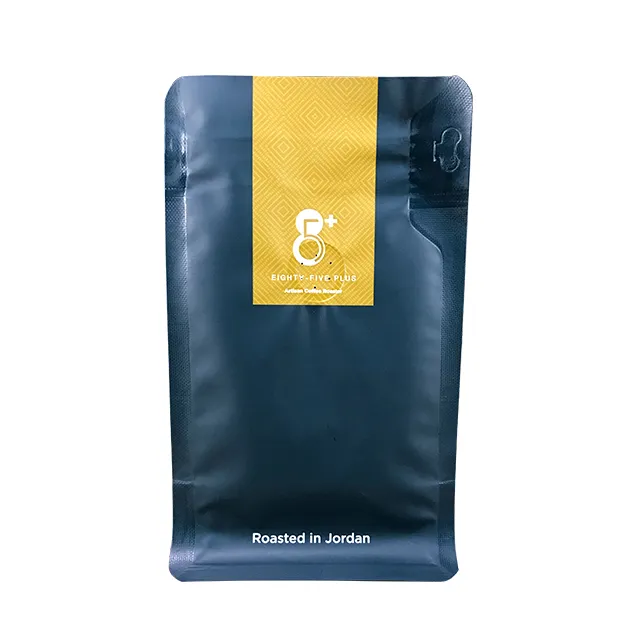
Coffee Bag Thickness as a Practical Example
Coffee packaging demonstrates why thickness should be considered as part of a complete packaging structure rather than as an isolated specification.
Coffee beans and ground coffee can be sensitive to oxygen, moisture, and light. Coffee packaging therefore needs an appropriate combination of material structure and barrier performance.
Coffee bags are available in different capacities, such as 125g, 250g, 500g, and 1kg. However, the coffee weight does not automatically determine the required packaging thickness.
For coffee packaging buyers, factors such as the following should be evaluated together:
- Coffee weight
- Dimensiones de la bolsa
- Estructura material
- Requisitos relativos a las barreras
- Degassing valve
- Closure system
- Filling equipment
- Transportation conditions
- Expected shelf life
For example, a 250g coffee pouch and a 1kg coffee pouch may have different packaging requirements because of their size and handling conditions. The final specification should be determined according to the complete application rather than using product weight as the only reference.
For more information about selecting pouch capacity, buyers can also refer to a coffee bag size guide when comparing standard packaging options.
When Should Buyers Choose Stock or Custom Flexible Packaging?
The required packaging thickness can also influence whether a standard stock pouch or custom flexible packaging is more appropriate.
Stock Flexible Packaging
Ready-to-ship packaging can be suitable when standard dimensions, materials, and structures meet the product requirements.
For B2B buyers, stock pouches can offer advantages such as:
- Disponibilidad más rápida
- Standard specifications
- Easier replenishment
- Lower development requirements
- Practical options for regular products
This approach can be especially useful for businesses that need packaging quickly or want to test a product before committing to a custom packaging project.
Custom Flexible Packaging
Custom packaging may be more suitable when a product requires specific dimensions, material structures, printing, or performance characteristics that are not available in standard stock options.
Custom solutions can be considered when buyers need:
- Specific bag dimensions
- A particular material structure
- Special barrier performance
- Custom printing
- Special closure requirements
- Packaging designed around specific filling equipment
For many B2B applications, it is practical to check standard stock options first and consider customization when existing specifications cannot meet the product requirements.
What Should B2B Buyers Ask a Flexible Packaging Supplier?
Before placing a bulk order, buyers should confirm the complete packaging specification rather than asking only about thickness.
Useful questions include:
- What materials are used in the packaging structure?
- What is the total packaging thickness?
- Does the thickness refer to the complete structure or one layer?
- What barrier properties does the packaging provide?
- Is the packaging suitable for the intended product weight?
- Is it compatible with the filling and sealing equipment?
- What sizes are available from stock?
- What are the MOQ and lead time?
- Can the material structure or thickness be customized?
- Are samples available for testing before bulk production?
These questions can help buyers compare suppliers more accurately and avoid selecting packaging based on thickness alone.
Preguntas frecuentes
What is flexible packaging thickness measured in?
Flexible packaging thickness is commonly measured in microns (μm). Millimeters or mils may also be used depending on the supplier and market.
Is thicker flexible packaging always better?
No. Packaging performance depends on material structure, barrier properties, sealing performance, product requirements, and thickness. The thickest option is not necessarily the most suitable or cost-effective choice.
What affects flexible packaging thickness?
Product weight, package size, material structure, barrier requirements, filling equipment, sealing process, transportation conditions, and expected shelf life can all influence the appropriate specification.
How do I compare flexible packaging thickness from different suppliers?
Ask suppliers to provide the complete material structure and confirm whether the stated thickness refers to the total packaging structure or an individual layer. Buyers should also compare barrier performance, sealing properties, and intended application.
Does packaging thickness affect cost?
Yes. Thickness can influence material consumption and therefore packaging cost. However, material type, bag size, structure, printing, order quantity, and other specifications also affect the final price.
Can flexible packaging thickness be customized?
For custom flexible packaging, suppliers may be able to develop different material structures and thickness specifications according to the product and application. The available options depend on the materials and production requirements.
Conclusión
Elegir el adecuado envases flexibles thickness is not simply a matter of selecting a thicker or thinner bag. The appropriate specification depends on the relationship between material structure, product weight, package size, barrier requirements, filling and sealing processes, transportation conditions, and cost.
For B2B buyers, the most effective approach is to evaluate thickness as part of the complete packaging structure. Standard stock pouches can be a practical choice when existing specifications meet the product requirements, while custom flexible packaging can provide more options when specific dimensions or material structures are needed.
By discussing the complete packaging requirements with an experienced supplier, businesses can find a balance between product protection, packaging performance, purchasing efficiency, and cost.
Acerca de Lebei Packaging
Embalaje Lebei specializes in flexible packaging solutions for brands, wholesalers, importers, and other B2B buyers. The company offers a wide range of ready-to-ship stock pouches alongside envases flexibles personalizados options for different product applications.
From standard pouches to customized packaging structures, Lebei can help buyers evaluate suitable packaging formats, materials, thickness specifications, and order options based on their requirements.
Looking for the right flexible packaging for your product? Contact Lebei Packaging to check available stock options, request samples, or discuss a custom packaging solution for your business.