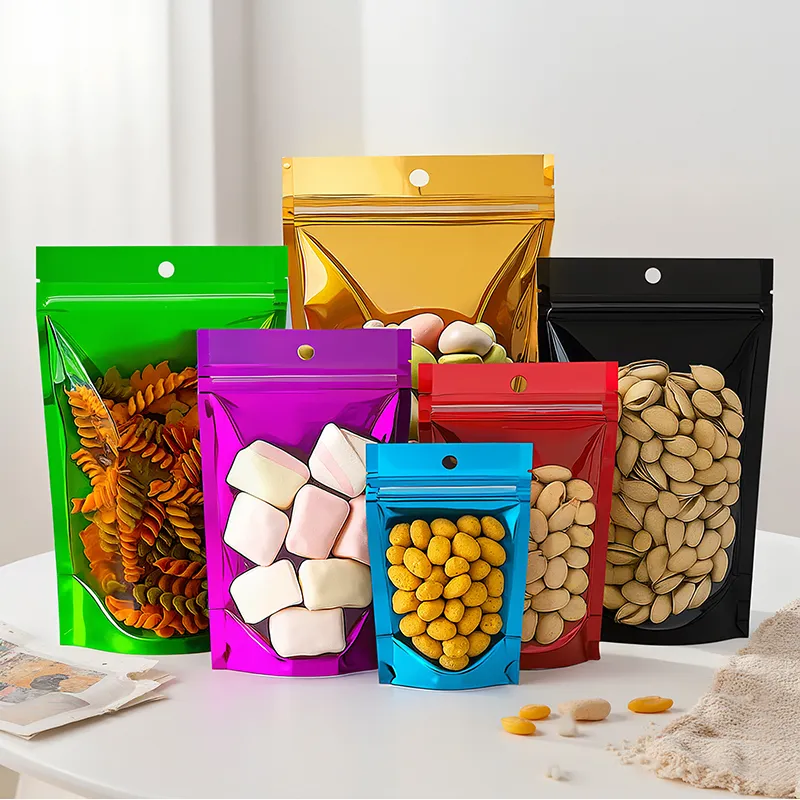
Mylar bags and aluminum foil bags are both used for packaging products that need protection from moisture, oxygen, light, and external odors. However, these terms do not always describe the same material structure. For food brands, importers, distributors, and wholesale packaging buyers, understanding the difference helps prevent specification errors and ensures the packaging meets product protection and budget requirements.
When comparing Mylar bags vs. aluminum foil bags, buyers should look beyond appearance and product names. The actual film layers, barrier performance, sealing requirements, and supplier specifications are more important when selecting packaging for commercial use.
What Is the Difference Between Mylar Bags and Aluminum Foil Bags?
The main difference is the material structure. Mylar is a trademark associated with polyester film, commonly known as PET film. In the packaging market, the term “Mylar bags” is also widely used to describe various flexible pouches with a metallic appearance or high-barrier properties. These bags may use metallized polyester film rather than a real aluminum foil layer.
By comparison, aluminum foil bags contain an actual aluminum foil layer within a flexible packaging laminate. This layer can provide strong protection against light, oxygen, and moisture when properly combined with other materials and sealed correctly.
| Comparison Factor | Mylar Bags | アルミホイル袋 |
|---|---|---|
| 素材構造 | Often polyester-based laminated film; actual structure varies | Includes a real aluminum foil layer in the laminate |
| メタリックな外観 | May come from metallized film | Often comes from the aluminum foil layer |
| Barrier performance | Depends on the film structure, thickness, and seals | Can provide very high barrier protection when properly constructed |
| 代表的なアプリケーション | Dry foods, snacks, coffee, powders, and general high-barrier packaging | Products requiring strong protection from light, oxygen, or moisture |
| Purchasing considerations | Confirm the exact film layers and barrier specifications | Confirm foil thickness, laminate structure, sealing performance, and intended use |
Neither option is automatically better for every product. For B2B buyers, the right choice depends on the required shelf life, storage conditions, product sensitivity, packaging format, and total packaging cost.
Mylar Bag Material vs. Aluminum Foil Structure
Understanding Mylar bag material is essential when comparing packaging options. A bag’s appearance alone cannot confirm whether it contains a real aluminum foil layer.
1. PET or BOPET Film
PET, also known as polyethylene terephthalate, is commonly used in flexible packaging. BOPET refers to biaxially oriented PET film, which offers useful mechanical strength and dimensional stability.
PET-based films are often combined with other materials to create laminated pouches. The complete structure determines the bag’s overall performance, including printability, durability, and barrier properties.
2. VMPET or Metallized PET Film
VMPET is polyester film coated with a thin layer of metal, typically aluminum, through a metallization process. This coating creates a reflective, metallic appearance and can improve barrier performance compared with an otherwise similar uncoated film.
However, metallized PET is not the same as a continuous aluminum foil layer. Their barrier characteristics and resistance to physical damage can differ, so buyers should not assume that every silver-colored Mylar bag is an aluminum foil bag.
3. Actual Aluminum Foil Layer
Aluminum foil packaging uses a real aluminum foil layer within a laminate. It is often selected when products require strong barriers against light, oxygen, and moisture.
The foil layer is usually combined with polymer films to improve strength, printability, and heat-sealing performance. The final structure may vary according to the application and supplier’s product specifications.
For wholesale packaging buyers, the practical step is to request a written material structure instead of relying only on descriptions such as “Mylar,” “metallic pouch,” or “foil bag.”
To better understand how different films work together in flexible packaging, see our guide to PET, VMPET, and PE pouch material layers.

How Do Mylar Bags and Aluminum Foil Bags Compare in Barrier Performance?
Barrier performance is one of the most important factors when selecting high-barrier packaging bags. It affects product quality, shelf life, storage stability, and the risk of product deterioration during transportation and distribution.
酸素バリア
Oxygen can contribute to oxidation, flavor changes, and quality loss in products such as coffee, nuts, and certain dried foods.
Aluminum foil laminates can provide very strong oxygen protection when the foil layer remains intact and the package is properly sealed. Metallized PET structures can also provide useful oxygen barriers, but their performance depends on the coating, film thickness, laminate design, and package integrity.
Buyers handling oxidation-sensitive products should compare oxygen transmission rate (OTR) data under relevant testing conditions rather than choosing based on material names alone.
防湿層
Moisture protection matters for powders, dry snacks, dehydrated ingredients, and other products that can absorb water during storage.
Both metallized film structures and aluminum foil laminates can be used for moisture-sensitive products. The appropriate choice depends on the required water vapor transmission rate (WVTR), environmental conditions, and packaging design.
For bulk packaging orders, ask suppliers whether their barrier data applies to the proposed finished bag or only to an individual film layer.
Light and Odor Protection
Light exposure can affect the quality of certain food products, while external odors may influence products that readily absorb surrounding smells.
Aluminum foil laminates generally provide excellent light blocking when the foil layer is continuous and the package is intact. Metallized films can also reduce light transmission, although their performance varies by structure.
For products with strict aroma-retention requirements, buyers should evaluate the complete packaging system, including material layers, closures, seals, and storage conditions.
Sealing and Package Integrity
Even a high-barrier film can underperform if the pouch has weak seals, pinholes, or damage from handling and transportation.
Before placing a wholesale order, check the bag’s compatibility with your filling and sealing equipment. For large-volume or repeat orders, consistent sealing performance and reliable production quality are just as important as the nominal barrier properties.
For products that are highly sensitive to oxygen and moisture, read our guide to aluminum foil bags for freeze-dried foods to learn more about their packaging requirements.
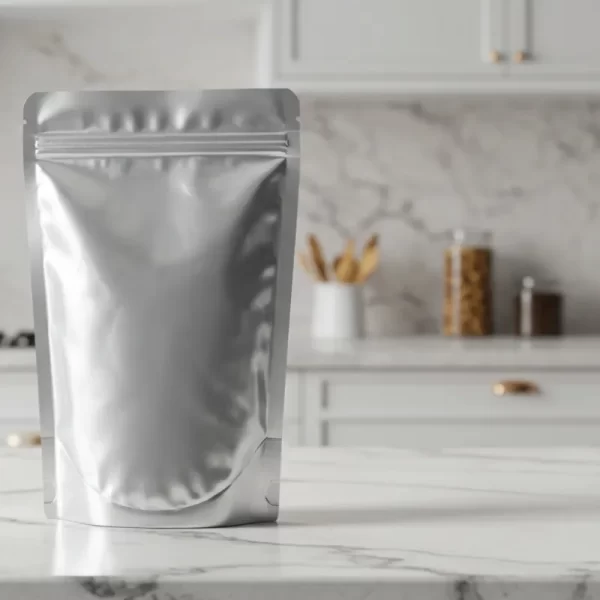
Which Packaging Bag Is Right for Your Product?
The best option depends on the product’s sensitivity, target shelf life, distribution environment, and purchasing budget. The following examples can help businesses narrow down their specifications.
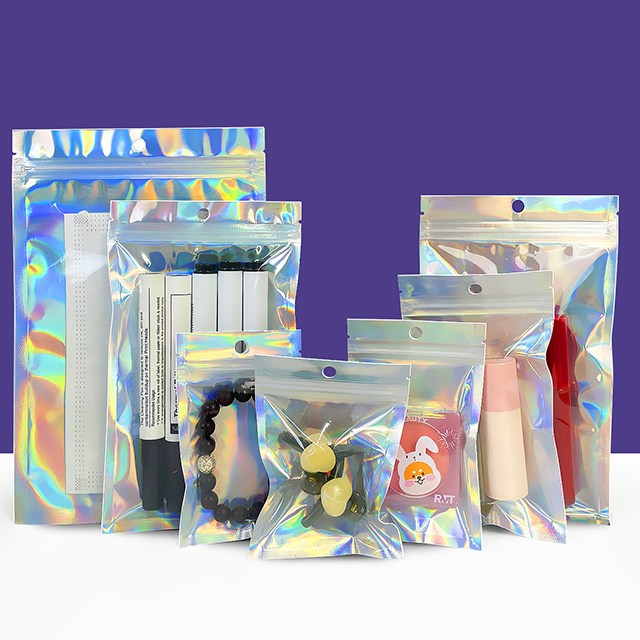
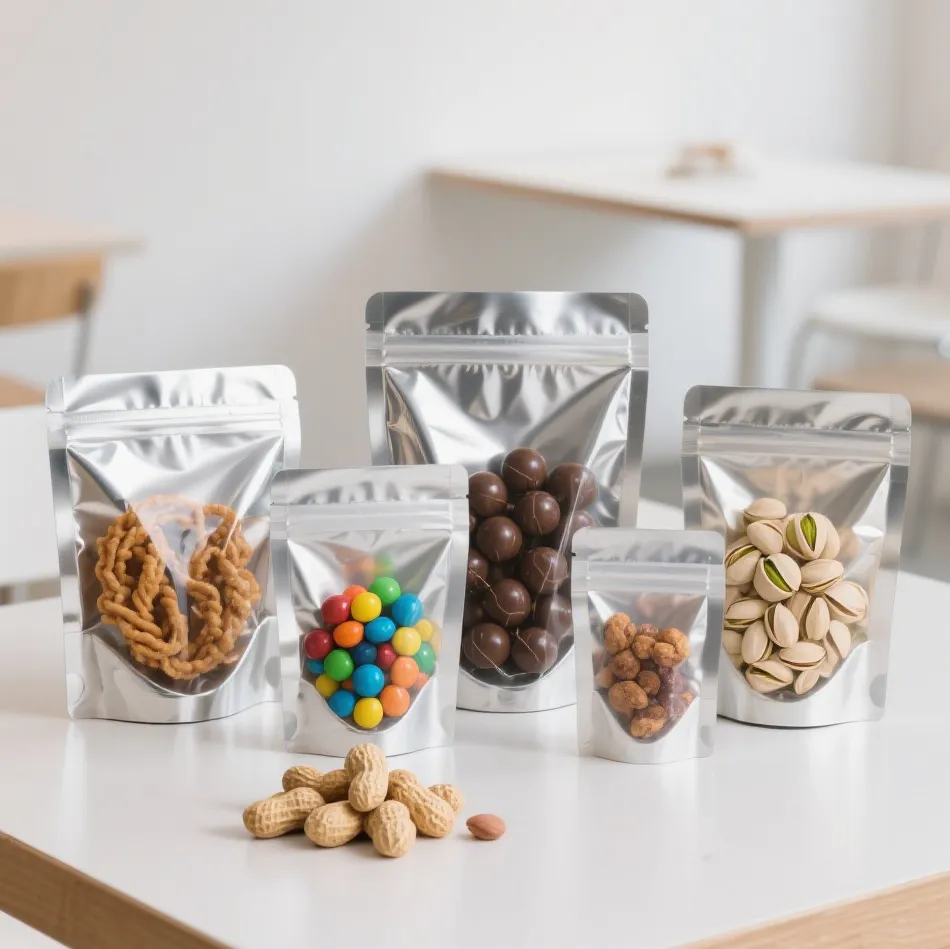
Coffee and Roasted Coffee Products
Coffee packaging may need to manage oxygen exposure, aroma retention, and, for certain roasted coffee products, gas release. A suitable packaging structure depends on the coffee type, roasting process, filling method, and storage expectations.
Buyers sourcing コーヒーの卸売用袋 should evaluate the complete laminate and closure system. If a degassing valve is required, confirm that the selected pouch design supports it.
Dry Foods and Snacks
For dry foods and snacks, moisture protection, seal reliability, and handling durability are important considerations. Metallized PET laminates may be suitable for some applications, while other products may require a stronger barrier structure.
Packaging buyers should match the film specifications to the product’s moisture sensitivity and intended shelf life rather than selecting a pouch solely because it looks metallic.
Freeze-Dried Foods
Freeze-dried foods can be sensitive to moisture and oxygen, making barrier performance a key part of packaging selection. Aluminum foil laminates may be appropriate where very high barrier protection is required, but the final decision should be based on the product’s validated requirements and actual packaging performance.
Businesses purchasing aluminum foil bags in bulk should confirm material specifications, sealing performance, and relevant test results before approving production.
Powders and Dry Ingredients
Powders may require protection from moisture, odor transfer, and contamination during storage and transport. Buyers should also consider the product’s weight, filling process, seal area, and potential for powder to interfere with sealing.
For wholesale packaging orders, request samples to test filling, sealing, handling, and storage compatibility before committing to a large quantity.
What Should B2B Buyers Check Before Ordering?
Choosing a reliable packaging supplier involves more than comparing the unit price. A structured purchasing process helps importers, distributors, food manufacturers, and private-label brands reduce the risk of receiving packaging that does not meet their requirements.
1. Confirm the Exact Material Structure
Ask for a written layer specification that identifies the materials used in the laminate. If a quotation describes a bag as an aluminum foil bag, confirm that it contains an actual aluminum foil layer rather than metallized PET.
For Mylar bags, request clarification about the actual film composition. This is especially important when comparing quotations from multiple フレキシブル包装のサプライヤー.
2. Request Relevant Barrier Data
Where barrier performance is critical, ask for OTR and WVTR results, including the testing conditions and units. Confirm whether the results relate to the film material or the finished pouch.
These details make supplier quotations easier to compare and help buyers determine whether a proposed structure is suitable for their products.
3. Check Food-Contact Documentation
For food packaging applications, confirm that the materials and finished packaging meet the applicable food-contact requirements in the destination market. Request relevant declarations, test reports, or other supporting documents as appropriate.
Requirements can vary by market and application, so documentation should be checked against the intended use rather than assumed from a generic product description.
4. Evaluate MOQ, Lead Time, and Bulk Pricing
The minimum order quantity (MOQ), production lead time, and unit price can affect inventory planning and total purchasing costs.
When comparing wholesale packaging bags, ask suppliers to clarify:
- MOQ and price breaks for different order quantities.
- Sample availability and sample lead time.
- Production and dispatch lead times.
- Shipping terms and estimated freight costs.
- Consistency of specifications across repeat orders.
For businesses with regular packaging demand, comparing the total landed cost is often more useful than comparing the quoted unit price alone.
5. Test Samples Before Mass Ordering
A sample evaluation can help confirm dimensions, material feel, filling compatibility, seal strength, and overall handling performance.
If the order will be repeated, document the approved structure and specifications so future purchases can be checked against the same requirements. This helps reduce unexpected differences between batches.
よくある質問
Are Mylar Bags the Same as Aluminum Foil Bags?
No. Mylar is associated with polyester film, while aluminum foil bags contain a real aluminum foil layer. In commercial packaging, “Mylar bags” can be used loosely to describe different laminated pouches, so buyers should confirm the actual material structure.
Is Metallized PET the Same as Aluminum Foil?
No. Metallized PET has a thin metallic coating on a polyester film, while aluminum foil packaging contains a distinct foil layer. Their barrier performance and physical properties can differ, depending on the materials and construction.
Which Provides Better Barrier Protection?
An intact aluminum foil laminate can provide very high barriers against light, oxygen, and moisture. Metallized PET structures may also offer suitable protection for many applications. The best choice depends on the complete laminate, film thickness, seals, and required product shelf life.
How Can Buyers Confirm Whether a Bag Contains Real Aluminum Foil?
Request the written material structure and relevant technical specifications from the supplier. If the distinction affects product protection or compliance, ask for supporting documentation and test data instead of relying on appearance or product naming.
Are Aluminum Foil Bags Suitable for Wholesale Orders?
Yes. Aluminum foil bags can be purchased for wholesale applications, provided the selected structure meets the product’s protection and packaging requirements. Buyers should compare MOQ, bulk pricing, lead time, documentation, and sample performance before confirming an order.
結論
When comparing Mylar bags vs. aluminum foil bags, the most important distinction is the actual material structure—not simply the bag’s name or metallic appearance. Mylar-style packaging may use metallized PET or other laminated films, while aluminum foil bags contain a real aluminum foil layer.
For B2B buyers, the most reliable approach is to confirm the material specification, compare relevant barrier data, test samples, and evaluate MOQ, lead time, and total purchasing costs. Working with a packaging supplier that can clearly document its specifications makes it easier to select packaging that meets product requirements and supports consistent bulk purchasing.
Lebei Packagingについて
楽北包装 supplies flexible packaging solutions for businesses looking for practical options for wholesale and bulk purchasing. When comparing Mylar bags and aluminum foil bags, our team can help buyers review available pouch options and clarify product specifications for their packaging needs.
Lebei Packagingへのお問い合わせ to discuss your requirements, request product information, and explore suitable packaging options for your next order.