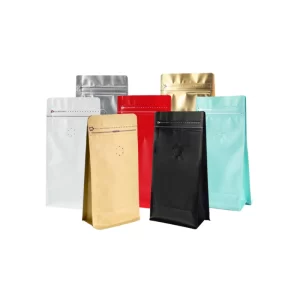
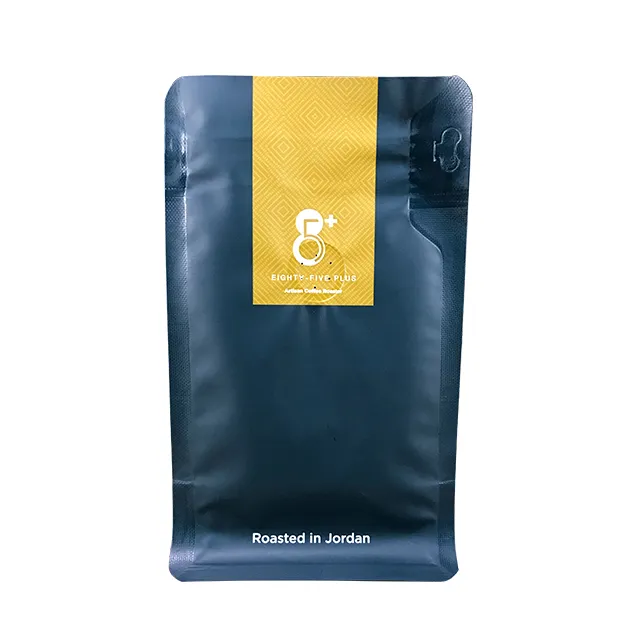
Choosing the right coffee bag size is an important decision for coffee roasters, brands, wholesalers, and distributors. The right pouch needs to accommodate the target coffee quantity while also fitting filling requirements, storage conditions, shipping needs, and retail presentation.
For businesses sourcing ready-to-ship coffee packaging, understanding common coffee bag sizes can make purchasing faster and more predictable. Standard options such as 125g, 250g, 500g, and 1kg are widely used for different coffee products and sales channels.
However, the actual capacity of a pouch can vary depending on coffee bean density, grind size, filling method, and the amount of headspace required. This guide explains common standard coffee bag size options and how to choose the right pouch for your product.
Common Coffee Bag Sizes and Capacities
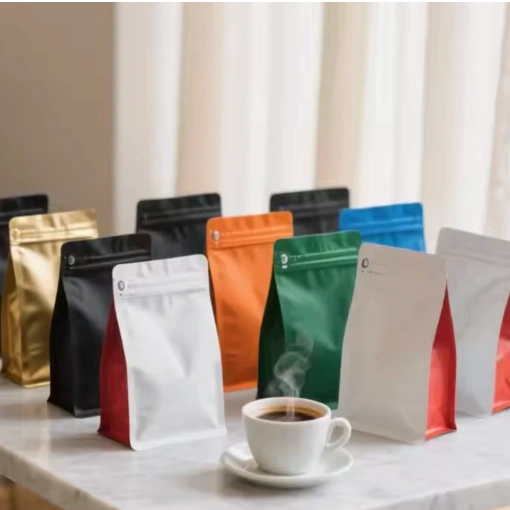
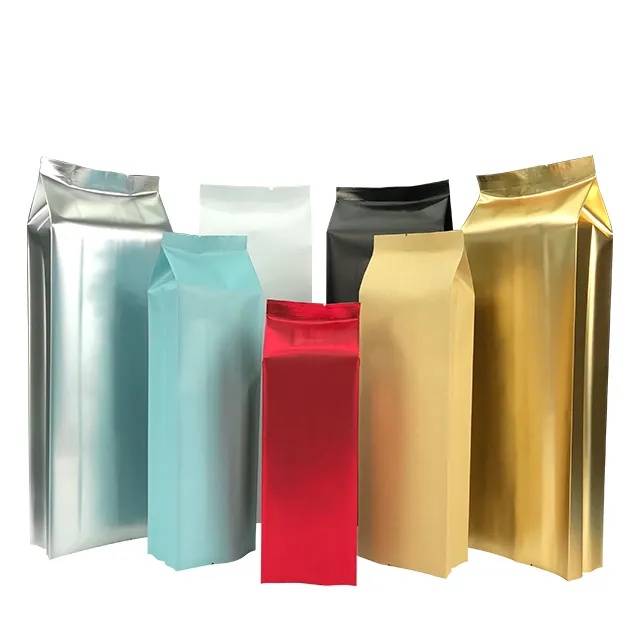
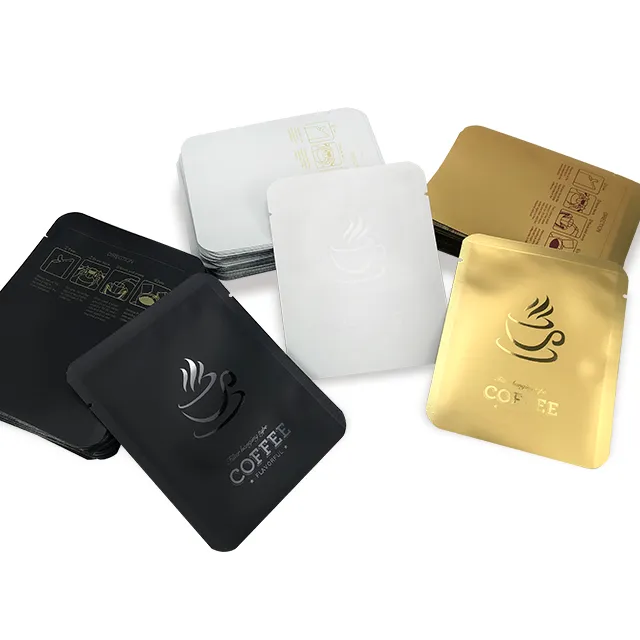
There is no single coffee bag size that works for every product. Coffee packaging is commonly offered in several standard capacities to accommodate different retail and commercial requirements.
For buyers looking for ready-to-ship coffee pouches, the following sizes are commonly used:
| Coffee Capacity | Taille du sac | Valve Option | Typical Application |
|---|---|---|---|
| 125g | 9 × 18 + 2.5cm × 2 | With or without valve | Samples, small retail packs, specialty coffee |
| 250g | 13 × 20 + 3.5cm × 2 | With or without valve | Retail coffee and specialty blends |
| 500g | 13.5 × 26 + 3.75cm × 2 | With or without valve | Larger retail packs and frequent-use coffee |
| 1000g | 15 × 32.5 + 5cm × 2 | With or without valve | Coffee shops, commercial use, and bulk sales |
These specifications are based on Lebei’s current wholesale blank coffee pouch range. The available sizes include both valve and non-valve options, giving buyers more flexibility when selecting stock packaging.
The dimensions shown above should be used as a practical reference rather than an absolute capacity guarantee. Coffee bean density, grind size, filling equipment, and product characteristics can affect how much coffee a pouch can hold.
125g Coffee Bags for Small Packs and Samples
A 125g coffee bag is a practical choice for smaller coffee portions, samples, trial packs, and specialty products.
Smaller bags can help coffee brands introduce new blends without requiring customers to purchase a large quantity. They can also be useful for sample programs, subscription boxes, promotional campaigns, and specialty coffee selections.
For businesses purchasing ready-to-ship packaging, a standard 125g pouch can provide a convenient starting point when a smaller pack size is required.
250g Coffee Bags for Retail Coffee
The 250g coffee bag is a common option for retail coffee packaging. It provides a balance between product quantity, package size, shelf presentation, and consumer convenience.
A 250g pouch can work well for:
- Specialty coffee
- Roasted whole beans
- Café moulu
- Retail coffee blends
- Small and medium coffee brands
Lebei’s standard 250g coffee pouch measures approximately 13 × 20 + 3.5cm × 2 and is available with or without a one-way valve.
For brands selling coffee through retail stores, online channels, or specialty coffee shops, this standard size can be a practical option for maintaining consistent packaging across product lines.
500g Coffee Bags for Larger Retail Packs
A 500g coffee bag provides twice the nominal capacity of a 250g pack and can be suitable for customers who purchase coffee more frequently or prefer larger quantities.
This size can be considered for:
- Larger retail coffee packs
- Specialty coffee bundles
- Household coffee consumption
- Coffee shop retail sales
- Larger-volume product lines
Lebei’s standard 500g coffee pouch measures approximately 13.5 × 26 + 3.75cm × 2. Both valve and non-valve versions are available in the current wholesale range.
When selecting a 500g pouch, buyers should also consider the coffee’s density and the filling process rather than relying on weight alone.
1kg Coffee Bags for Commercial and Bulk Coffee
A 1kg coffee bag is often used when larger quantities of coffee need to be packaged in a single pouch. It can be suitable for coffee shops, restaurants, commercial buyers, and brands offering larger retail packs.
Lebei’s standard 1000g pouch measures approximately 15 × 32.5 + 5cm × 2 and is available with or without a valve.
Larger coffee bags can reduce the number of individual packages required for higher-volume products. However, buyers should consider whether the larger format fits their storage, shipping, display, and consumer usage requirements.
What Is a Standard Coffee Bag Size?
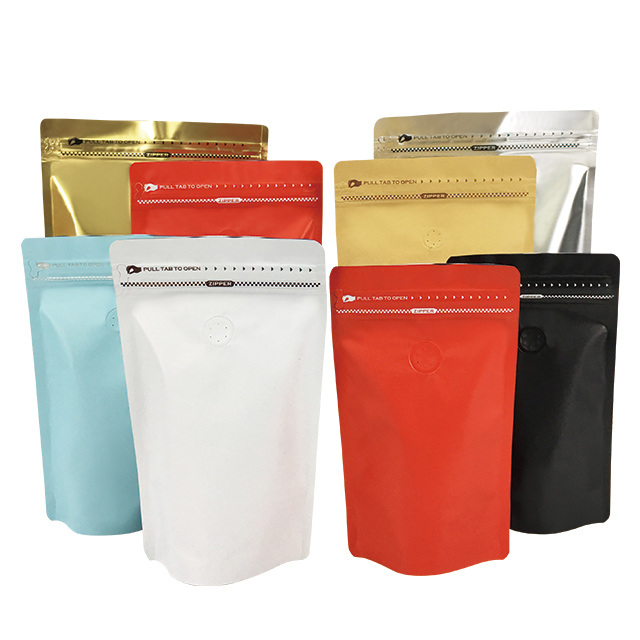
A standard coffee bag size generally refers to a commonly available pouch capacity and dimension used for a particular coffee quantity, rather than one universal measurement shared by every supplier.
Common standard capacities include 125g, 250g, 500g, and 1kg. These sizes make it easier for coffee brands and distributors to select packaging without developing a completely new pouch for every product.
Standard sizes can be particularly useful for businesses that prioritize:
- Faster purchasing
- Ready-to-ship inventory
- Lower development requirements
- Consistent packaging
- Easier replenishment
- Wholesale purchasing
However, a standard coffee bag size should always be evaluated against the actual product. Two coffee products with the same weight may require slightly different pouch dimensions because of differences in bean density, grind size, and filling requirements.
How to Choose the Right Coffee Bag Sizes
Choosing between different coffee bag sizes requires more than matching the pouch capacity to the coffee weight. Buyers should consider several practical factors before placing a bulk order.
Consider Coffee Weight and Density
The first consideration is the amount of coffee you intend to package. A 250g product, for example, may require a different internal volume depending on whether it contains whole coffee beans or ground coffee.
Bean density can vary by origin, roast level, and processing characteristics. This is why the listed capacity should be treated as a reference rather than a strict guarantee.
Consider the Filling Process
Your filling equipment can also influence the appropriate pouch size.
Avant de passer commande, pensez à :
- Filling equipment
- Filling tolerance
- Required headspace
- Zone d'étanchéité
- Valve position
- Pouch opening size
A pouch that works well for manual filling may not be the best choice for an automated packaging line.
Consider Retail and Display Requirements
The physical dimensions of a coffee pouch also affect how the product looks on a shelf.
For retail coffee brands, consider:
- Shelf height
- Product visibility
- Package proportions
- Storage efficiency
- Label placement
- Display stability
The goal is not simply to find a pouch that holds the required quantity, but one that also presents the product effectively.
Consider Shipping and Warehouse Space
For wholesale buyers, packaging dimensions can influence carton utilization, warehouse storage, and transportation efficiency.
A suitable coffee pouch size should fit your broader supply chain rather than only the filling stage.
When purchasing multiple sizes, buyers should also consider whether the pouches can be efficiently packed and shipped together.
Standard Coffee Bags vs Custom Coffee Bags
For many coffee businesses, standard stock pouches can be a more practical starting point than fully customized packaging.
Standard Stock Coffee Bags
Standard coffee pouches are suitable for businesses that need:
- Disponibilité plus rapide
- Established pouch sizes
- Lower development requirements
- Flexible purchasing
- Quick replenishment
Lebei offers more than 200 styles of ready-to-ship packaging bags, such as coffee bags, with standard options available in different sizes and configurations. Its current wholesale program also supports a 5,000-piece MOQ with the option to mix and match different pouch sizes..
This can be useful for coffee brands, distributors, and wholesalers that need packaging without waiting for a new custom production run.
Custom Coffee Bags
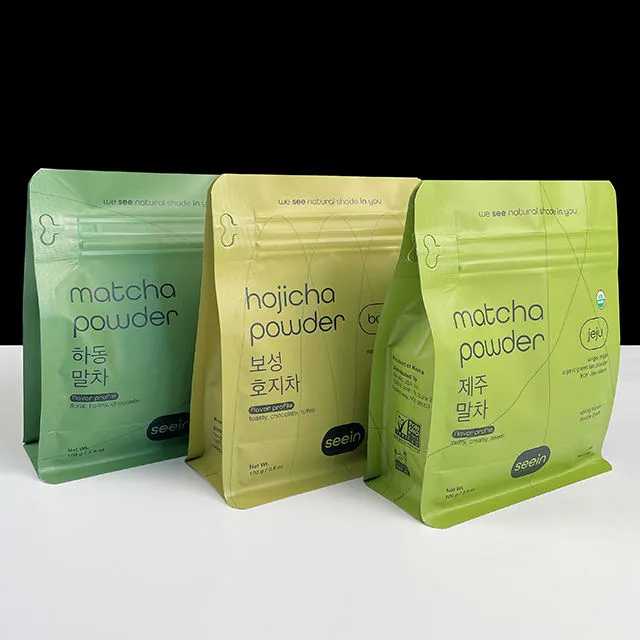
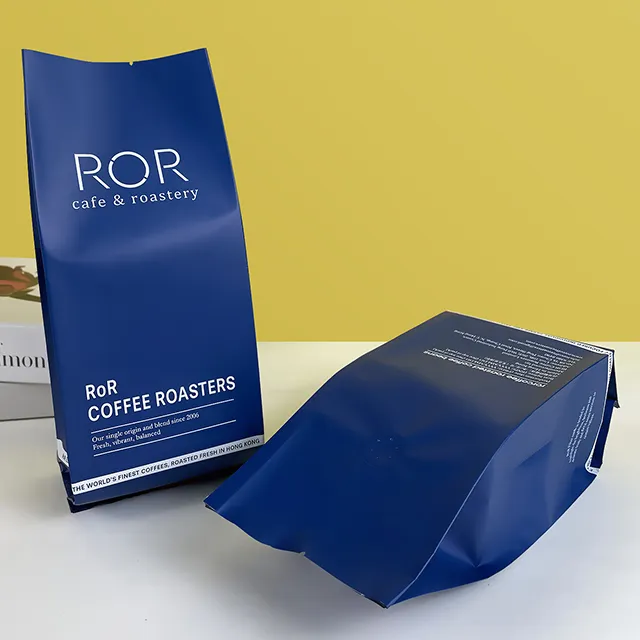
Custom coffee bags may be more suitable when standard dimensions do not match a product’s requirements.
Businesses may consider custom packaging when they need:
- A unique pouch size
- Specific material structures
- Custom printing
- Special packaging functions
- A particular shelf presentation
For most businesses, it makes sense to first determine whether an existing standard pouch can meet their requirements. Custom sizing can then be considered when a standard option is not suitable.
When Should You Choose a Custom Coffee Bag Size?
A custom size may be worth considering when your product cannot be efficiently packaged using standard dimensions.
For example, custom sizing may be useful when:
- Your product requires an unusual filling volume
- Standard pouches leave too much unused space
- Your filling equipment requires a specific pouch dimension
- You need a unique retail presentation
- Your product line requires a consistent custom format
For businesses with straightforward 125g, 250g, 500g, or 1kg coffee products, however, a standard stock pouch can often provide a faster and more convenient packaging solution.
FAQ About Coffee Bag Sizes
What are the most common coffee bag sizes?
Common coffee bag capacities include 125g, 250g, 500g, and 1kg. The most suitable option depends on the product quantity, coffee density, filling process, and intended sales channel.
What size coffee bag do I need for 250g of coffee?
A standard 250g coffee pouch can be a practical starting point for 250g of coffee, but the actual fit can vary according to bean density, grind size, and filling requirements.
What size coffee bag is suitable for 500g of coffee?
A standard 500g pouch is commonly used for larger retail coffee packs and higher-volume consumer products. Buyers should confirm the actual internal capacity with their packaging supplier before ordering in bulk.
What size coffee bag is suitable for 1kg of coffee?
A 1kg coffee bag is commonly used for commercial coffee, coffee shop supplies, bulk retail packs, and larger-volume products. The final pouch size should be checked against the coffee’s density and filling process.
Does coffee bean density affect coffee bag size?
Yes. Coffee bean density can vary according to factors such as roast level and product type. Therefore, the same weight of coffee may not always require exactly the same internal pouch volume.
Can coffee bags be made in custom sizes?
Yes. Custom coffee bags can be developed when standard pouch dimensions do not meet a product’s filling, storage, or presentation requirements. However, standard stock pouches can be a more efficient choice when an existing size meets the product’s needs.
Conclusion
Choisir le bon coffee bag size starts with understanding your product quantity, but it should not end there. Coffee density, filling requirements, headspace, retail presentation, storage, and shipping should all be considered before selecting a pouch.
For many coffee businesses, standard sizes such as 125g, 250g, 500g, and 1kg provide a practical starting point. Ready-to-ship stock pouches can also help businesses shorten purchasing cycles and replenish packaging more efficiently, while custom sizes remain an option when standard specifications cannot meet specific requirements.
The best approach is to match the pouch size to your actual product and purchasing needs rather than automatically choosing a custom solution.
À propos de Lebei Packaging
Lebei Emballage specializes in flexible packaging, with a strong focus on sachets en gros prêts à être expédiés alongside custom flexible packaging solutions. Its wholesale coffee pouch range includes 200+ styles and standard capacities for different coffee packaging requirements, with options such as one-way valves and resealable zippers.
If you are looking for standard coffee bag sizes, ready-to-ship coffee pouches, or custom packaging for a specific product requirement, Lebei can help you compare suitable options based on capacity, dimensions, materials, and packaging needs. Contact Lebei Packaging today to request samples, check available sizes, or get a bulk quotation for your coffee packaging.