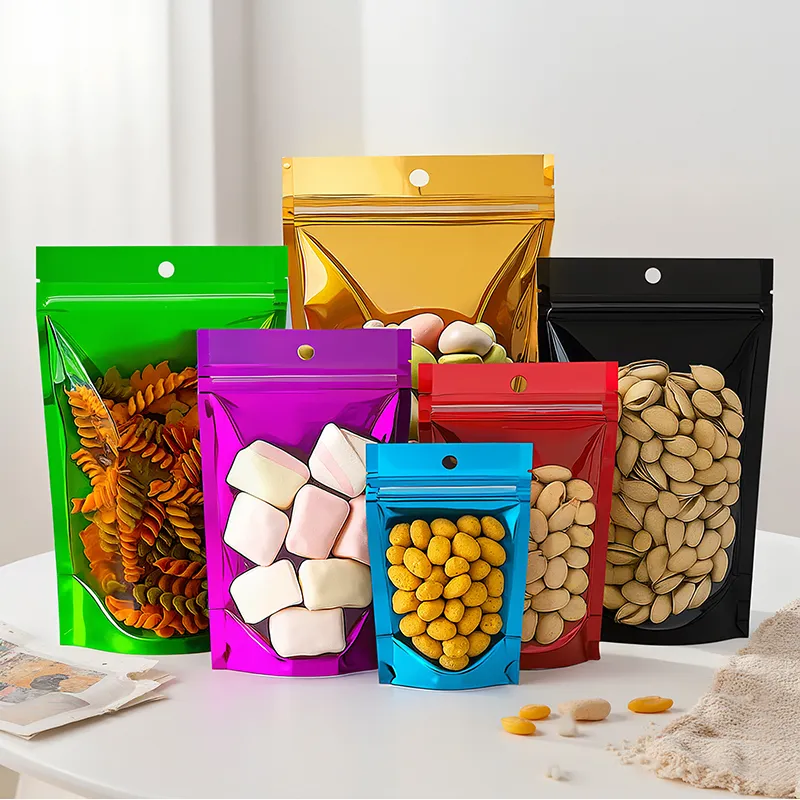
Choosing the right ground coffee bags involves more than selecting a pouch that fits your product. For coffee brands, importers, distributors, and wholesale buyers, packaging decisions affect order planning, storage, product presentation, and supply chain efficiency.
Before placing bulk packaging orders, buyers should confirm the required filling capacity, available bag specifications, expected sales volume, minimum order quantity (MOQ), and supplier lead times. These details help businesses choose suitable coffee packaging while reducing the risk of ordering the wrong specifications or holding excess inventory.
For businesses sourcing ground coffee bags for retail, private label, or wholesale distribution, this guide explains what to prepare before ordering, how to plan quantities, and what to verify with a coffee packaging supplier.
What Information Should Buyers Prepare Before Ordering Ground Coffee Bags?
Before contacting a coffee bag manufacturer or wholesale packaging supplier, buyers should prepare a clear product and purchasing brief. Providing this information makes it easier to identify suitable packaging options, request accurate quotations, and compare suppliers.


Product Fill Weight and Packaging Requirements
Start with the net weight of the ground coffee that each bag needs to hold. Common retail formats may include 100 g, 250 g, 500 g, and 1 kg, depending on the target market and product positioning.
However, net weight alone does not determine the correct bag size. Ground coffee can occupy a different volume depending on grind size, density, and how the product settles during filling.
When sourcing ground coffee bags, buyers should prepare:
- Target net weight per package.
- Ground coffee type and approximate bulk density, if available.
- Required bag dimensions or existing packaging samples.
- Filling and sealing method.
- Intended retail or wholesale application.
These details help the packaging supplier recommend suitable specifications and reduce the need for repeated sampling.
Target Market and Sales Channel
Packaging requirements can differ depending on where and how the coffee will be sold. A specialty coffee brand selling through independent retailers may have different presentation requirements from a distributor supplying supermarkets or a business selling coffee through e-commerce channels.
Buyers should identify their primary sales channels before selecting coffee bags. They should also confirm applicable food-contact requirements, labeling rules, and any documentation required in their destination market.
For private label coffee businesses, it is particularly important to coordinate packaging specifications with the product label, brand design, and filling process before confirming a large order.
Order Schedule and Estimated Demand
A packaging order should reflect expected product demand rather than an arbitrary quantity. Estimate how many bags the business expects to use each month, how frequently replenishment will be needed, and how much storage space is available.
This information helps wholesale buyers compare suppliers based on more than unit price. Inventory availability, production lead time, dispatch speed, and reorder flexibility can also influence the total cost of sourcing coffee bags.
How to Match Ground Coffee Bags to Your Product Fill Weight

Selecting suitable ground coffee bags requires confirming both the target fill weight and the physical dimensions of the pouch. A bag that appears large enough may still be unsuitable if it leaves insufficient headspace, cannot be sealed properly, or does not fit the filling equipment.
Confirm the Bag Dimensions With a Fill Test
Buyers should provide the intended net weight and, when possible, request samples in the closest available specifications. A fill test can help determine whether the coffee fits comfortably and whether the pouch can be sealed consistently.
During testing, check:
- Whether the ground coffee fits without excessive compression.
- Whether sufficient headspace remains for clean sealing.
- Whether the filled bag stands or handles as expected.
- Whether the dimensions work with the existing filling equipment.
- Whether the finished package meets retail display and shipping requirements.
For businesses ordering wholesale ground coffee bags, confirming these details before placing a bulk order can help avoid costly packaging changes later.
Consider the Filling and Sealing Process
The packaging must work with the buyer’s actual production workflow. Manual filling, semi-automatic equipment, and automated packaging lines can have different requirements for pouch dimensions and sealing areas.
If the business uses a contract packer, confirm the accepted bag specifications with that partner before ordering. A coffee packaging supplier can then evaluate available options against those requirements.
This step is particularly important for importers and distributors supplying multiple coffee brands, because one packaging format may not be suitable for every customer’s filling operation.
How Many Ground Coffee Bags Should You Order?
The right order quantity depends on sales forecasts, product shelf life, available storage, and the supplier’s minimum order quantity (MOQ). For B2B buyers, balancing unit cost against inventory risk is often more useful than simply choosing the largest available order.
Estimate Packaging Demand
A practical starting point is to calculate the number of packages required for the planned sales period.
For example, if a coffee brand expects to sell 4,000 units per month in one package size, its estimated packaging demand for three months would be 12,000 bags, before accounting for samples, production losses, or changes in demand.
Use this calculation as a planning estimate rather than a fixed order quantity. Actual purchasing decisions should account for sales fluctuations, current stock, supplier lead times, and the amount of warehouse space available.
Businesses with several coffee products should calculate demand separately for each bag size or specification. This helps prevent one slow-moving format from tying up the budget needed for more popular products.
Evaluate MOQ and Unit Cost Together
When comparing wholesale coffee bags, buyers should consider both the quoted unit price and the total purchasing commitment.
A lower price per bag may require a larger order, which can increase storage costs and leave more inventory unused if sales are slower than expected. A smaller order may have a higher unit price but provide greater flexibility for product testing or new market launches.
Ask suppliers to confirm:
- Minimum order quantity for each specification.
- Whether different bag sizes or styles can be combined in one order.
- Price breaks at different order quantities.
- Packaging and shipping costs.
- Expected dispatch or production lead time.
For businesses testing a new coffee product, suitable stock packaging may help limit the initial commitment. Established brands with stable demand may benefit from planning larger, more predictable replenishment orders.
Plan Reorders Before Inventory Runs Low
Packaging inventory should be monitored alongside finished coffee stock. Running out of bags can delay production even when sufficient coffee is available.
A simple replenishment plan should track current inventory, average monthly usage, open purchase orders, and supplier lead time. Buyers can then set a reorder point based on how much packaging is likely to be consumed before the next delivery arrives.
For importers and distributors, maintaining clear stock records for each specification also makes it easier to coordinate orders across customers and avoid unnecessary duplicate purchases.
What Should Wholesale Buyers Confirm With a Coffee Bag Supplier?
Choosing a reliable Anbieter von Kaffeeverpackungen involves evaluating product suitability, stock availability, purchasing terms, and communication. A supplier’s advertised price is only one part of the decision.
Available Specifications and Stock Availability
Ask for the supplier’s current product catalogue and confirm which ground coffee bags are available in the required dimensions and styles.
For stock packaging, verify that the listed specification is currently available and ask whether the supplier can support repeat orders. A product shown in a catalogue may not always be immediately available in the required quantity.
If your business needs unprinted packaging, clarify whether the supplier offers generic coffee bags or plain pouches suitable for your intended application. These options can be useful for businesses that need ready-made packaging without committing to a custom printed design.
Minimum Order Quantity and Mixed Orders
MOQ can vary by bag style, size, material structure, and printing requirements. Confirm whether the minimum applies to each individual specification or to the total order.
Some buyers need several formats for different coffee products. If mixed orders are available, ask whether different sizes or styles can be combined while meeting the supplier’s purchasing conditions.
This is especially relevant to coffee distributors and smaller brands that want to manage several SKUs without carrying excessive packaging inventory.
Lead Time and Replenishment Reliability
Confirm whether the order will be dispatched from existing stock or manufactured after the purchase order is approved. These are different supply arrangements and may involve different lead times.
For ready-to-ship coffee bags, ask about stock confirmation, order processing, dispatch schedules, and the availability of the same specifications for future replenishment.
For custom printed packaging, also confirm artwork approval, sampling, production scheduling, and any additional lead time before the order is ready to ship.
Quality Documents and Sample Approval
Before placing a large order, request samples and evaluate the packaging against your product and filling process. Depending on the destination market and application, buyers may also need relevant material specifications, food-contact compliance documentation, or other supporting records.
Confirm which documents are available and whether they meet the requirements applicable to your market. Do not assume that every packaging option or supplier automatically meets every destination country’s regulations.
A documented sample approval process can help both parties agree on the required dimensions, appearance, sealing performance, and other specifications before bulk production or shipment.
Are Generic Coffee Bags Suitable for Wholesale Orders?
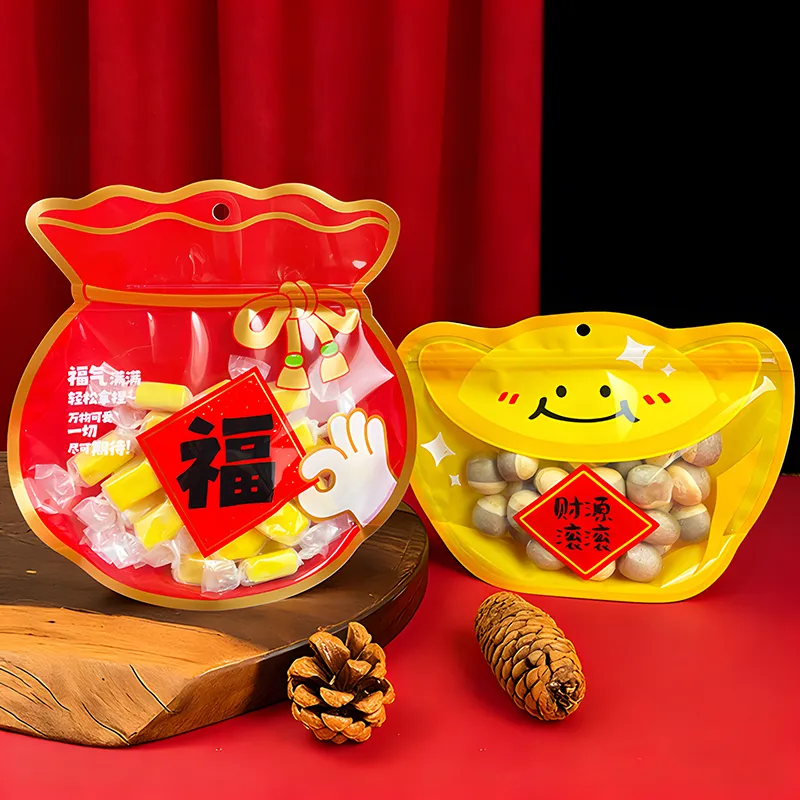
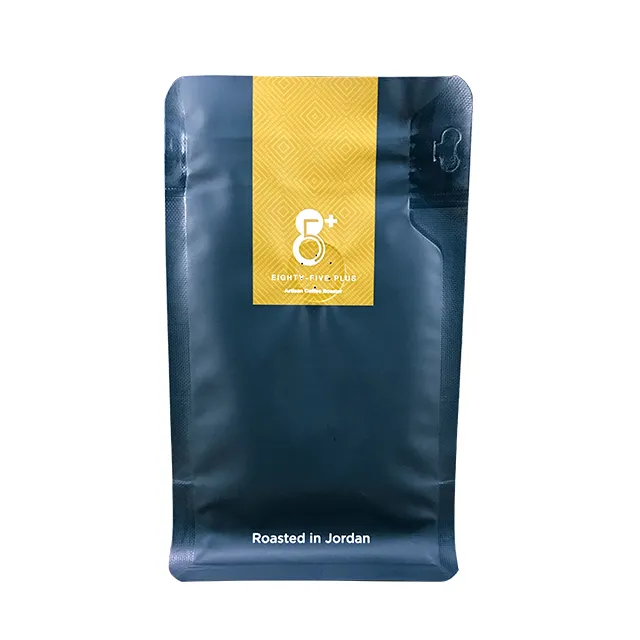
Generic coffee bags are unprinted or non-branded packaging options that can be suitable for businesses that do not require a fully customized exterior design. Depending on the available range, these bags may support product testing, new product launches, wholesale distribution, or retail packaging with separately applied labels.


When Generic Bags Make Sense
Unprinted coffee packaging may be worth considering when a business:
- Wants to launch a coffee product without waiting for custom printing.
- Needs packaging for market testing or limited product runs.
- Prefers to apply its own labels where appropriate.
- Wants to purchase from available stock rather than schedule a new production run.
- Needs to compare several pouch formats before committing to a long-term packaging specification.
The suitability of a generic coffee bag still depends on its size, material structure, sealing method, and compatibility with the product. Buyers should confirm these details before ordering.
Why Stock Packaging Can Help Manage Purchasing Risk
For coffee brands and wholesale distributors, stock packaging can reduce the need to commit to custom printed inventory before demand is established. It may also simplify replenishment when the required specification is already available.
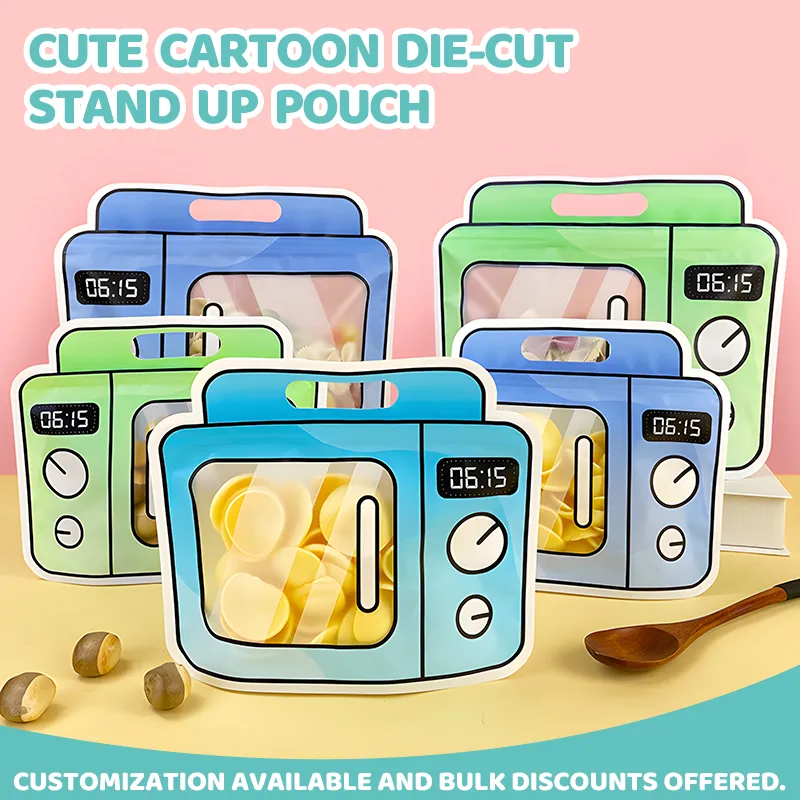
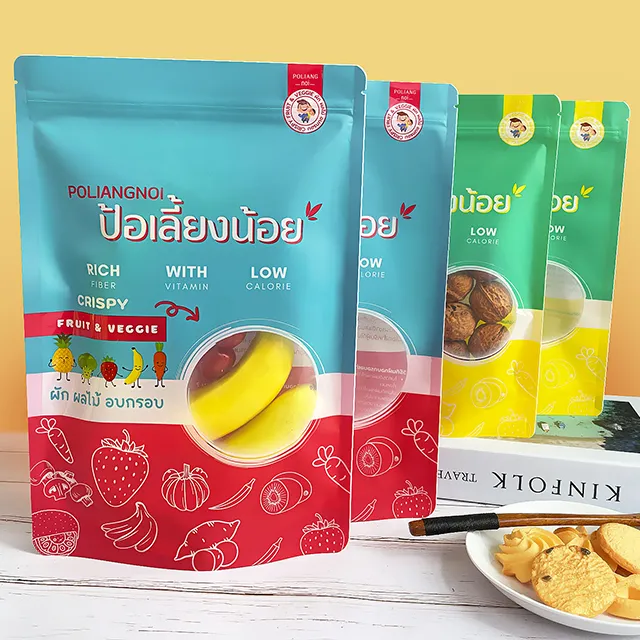
Lebei Packaging offers ready-to-ship plain pouches in a range of styles, with stock options designed for wholesale purchasing. Buyers can review available specifications, confirm MOQ and inventory, and discuss which options suit their filling requirements.
When evaluating generic bags, compare the actual stock specifications and purchasing terms rather than assuming that every unprinted pouch is interchangeable. A suitable stock option should meet the product’s packaging requirements and fit the business’s sales and replenishment plan.
Frequently Asked Questions About Ground Coffee Bags
What Should I Check Before Ordering Ground Coffee Bags in Bulk?
Confirm the net fill weight, required bag dimensions, filling and sealing method, estimated demand, MOQ, stock availability, lead time, and applicable documentation. Request samples when possible and verify the packaging with the actual product before placing a large order.
How Do I Choose a Bag Size for Ground Coffee?
Start with the target net weight, but do not rely on weight alone. Ground coffee volume varies with grind and density. Test samples using the intended coffee and filling method to confirm the fit, headspace, and sealing area.
Can Generic Coffee Bags Be Used for Retail Products?
Yes, if the selected packaging meets the product’s technical and regulatory requirements. Businesses may use suitable unprinted bags with compliant labeling or other approved branding methods. Confirm that the packaging and label meet the requirements of the destination market.
What Information Should I Request From a Coffee Bag Supplier?
Ask for available specifications, material information, MOQ, quantity-based pricing, current stock, dispatch or production lead time, shipping terms, samples, and relevant compliance documents. For repeat purchasing, also confirm whether the same specification can be replenished consistently.
Is It Better to Order More Coffee Bags to Get a Lower Price?
Not necessarily. A larger order may reduce the unit price but increase storage costs and the risk of excess inventory. Compare the total order cost with forecast demand, available storage, and replenishment lead time before deciding on the quantity.
Schlussfolgerung
Sourcing suitable ground coffee bags requires more than comparing prices. Wholesale buyers should define the product specifications, test the packaging with the intended fill weight, estimate demand, and confirm the supplier’s MOQ, stock availability, and delivery schedule.
For coffee brands, importers, and distributors, a clear purchasing plan can reduce avoidable delays and help maintain a reliable supply of packaging. Generic coffee bags may also provide a practical option for businesses that need unprinted packaging without committing to custom printing at the outset.
Before placing your next bulk packaging order, compare available specifications and confirm the details that matter to your production and sales plans.
Über Lebei Packaging
Lebei Verpackungen supplies flexible packaging solutions, including ready-to-ship plain pouches for wholesale buyers. With a range of stock pouch styles and purchasing options, Lebei helps businesses source packaging for different product applications and manage their packaging procurement needs.
Looking for suitable ground coffee bags for your business? Kontaktieren Sie Lebei Packaging to discuss available pouch specifications, stock availability, MOQ, and wholesale pricing. Share your target fill weight and estimated order quantity to help the team identify suitable options for your packaging requirements.

Versandfertige Beutel
Als Unternehmen für flexible Beutelverpackungen ist Lebei auf den Großhandel mit versandfertigen Beuteln und kundenspezifischen flexiblen Verpackungen spezialisiert und hilft Marken, sich mit zuverlässigen und hochwertigen Lösungen abzuheben.