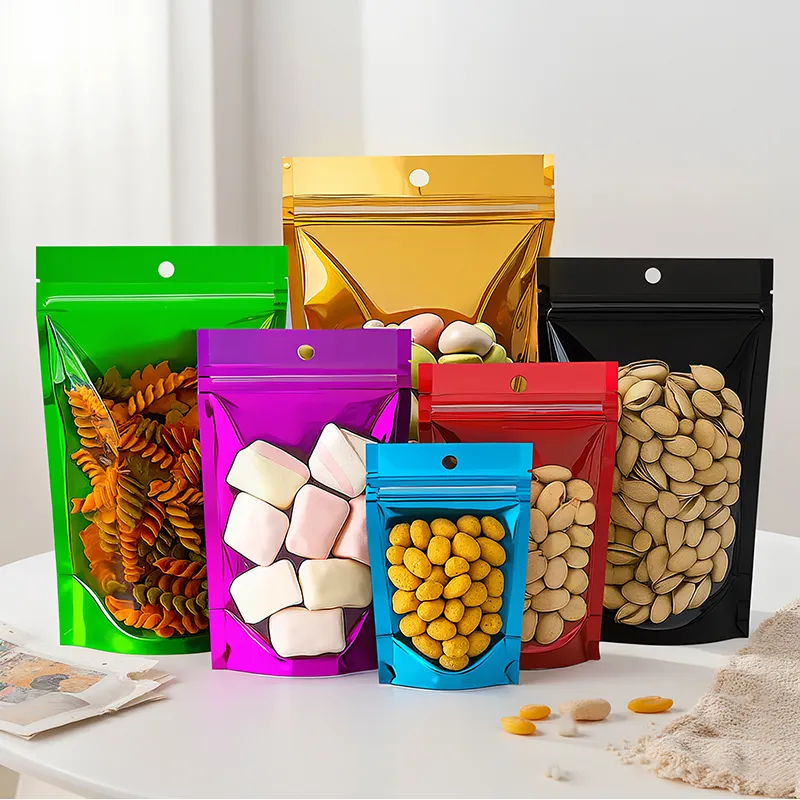
As the organic pet food market reaches new heights in 2026, packaging has become more than just a container—it is a critical extension of the brand’s sustainability promise. However, for manufacturers, the transition to eco-friendly pouches often raises a difficult question: Can sustainable materials withstand the weight, sharp edges of kibble, and high oil content of premium organic pet food?
The answer lies in the balance of advanced material science and structural engineering.
The Challenges of Organic Pet Food Packaging
Organic pet food presents unique challenges that standard flexible packaging often fails to meet:
- High Fat and Oil Content: Organic recipes often use natural oils that can migrate through inferior films, causing delamination or unappealing greasy spots.
- Puncture Resistance: Dry kibble can be sharp. Without a high-density structure, pouches are prone to micro-punctures during shipping.
- Aroma Preservation: Organic ingredients rely on their natural scent to appeal to pets; a weak barrier leads to stale food and loss of palatability.
2026 Solutions: Bridging the Gap
The 2026 packaging landscape offers two primary paths for pet food brands to achieve the perfect balance:
High-Barrier Mono-PE Structures (Recyclable)
For brands moving toward a circular economy, Mono-PE (Polyethylene) is the leading choice. By using a single-polymer structure with specialized internal coatings, we can now achieve oxygen and moisture barriers that rival traditional multi-layer plastics.
- The Benefit: 100% recyclability in existing PE streams without sacrificing the “stiffness” required for large-format stand-up pouches.
Bio-Based Compostable Laminates
For the most eco-conscious niche, compostable films made from PLA or wood pulp offer a premium solution. In 2026, these materials have been reinforced to handle heavier loads (up to 5kg or 10kg) while maintaining their integrity against the natural fats found in organic pet diets.
Durability vs. Eco-friendliness: The Critical Features
To ensure your sustainable packaging performs as well as it looks, focus on these three technical elements:
- Reinforced Side Seals: High-speed filling lines put immense pressure on seams. Sustainable pouches must be engineered with wider, reinforced heat seals to prevent “bottom-blowouts.”
- Ergonomic Closures: For larger pet food bags, a heavy-duty press-to-close zipper or a hook-and-loop closure is essential for maintaining freshness after the first opening.
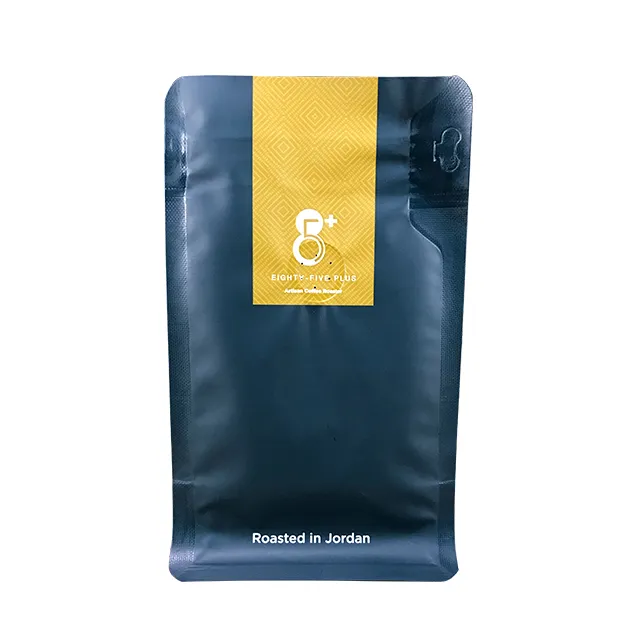
- Matte vs. Gloss Finishes: In 2026, many organic brands prefer a tactile matte finish. This not only communicates “natural” to the consumer but often provides better scratch resistance during transit.
The Bottom Line for B2B Buyers
Choosing sustainable packaging is no longer a compromise. By selecting the right material structure, organic pet food brands can reduce their carbon footprint while ensuring their product arrives in the customer’s bowl as fresh as it left the factory.
About Lebei: Your Strategic Packaging Partner
Founded in 1995, Lebei is a premier wholesale flexible packaging manufacturer specializing in high-efficiency supply chain solutions. Operating from a 20,000 square meter facility with 150+ experts, we maintain a 2,000,000+ pcs inventory of ready-to-ship plain pouches alongside advanced ODM/OEM services.
Serving brands in 50+ countries, we combine 29 years of industrial expertise with the agility needed for modern batch purchasing. Whether you are scaling a new organic pet food line or optimizing your global supply chain, Lebei delivers the durability your product demands and the eco-friendliness your customers expect.