Introduction
As awareness towards the environment has grown, more and more individuals are inquisitive about whether consumer goods consumed in everyday life are recyclable, specifically coffee commodities. As coffee bags are the most common package format for the coffee industry, not only do they play an important role in keeping coffee beans fresh, but they also pose environmental issues. Individuals ask many questions about whether these package materials can be recycled after consumption. Recyclability challenge, how they can be recycled, and their environmental impact are all huge concerns among the consumers, businesses, and the environmental industry. This article will discuss the recyclability of the coffee bags from various perspectives, providing real-life examples and factors to help readers understand the current state and future path of coffee bag recycling.
Material Composition and Recycling Challenge of Coffee Bags
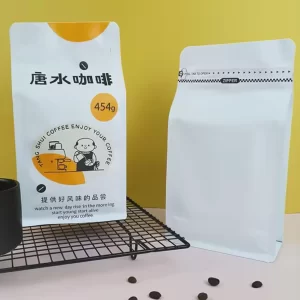
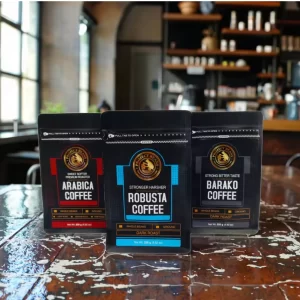
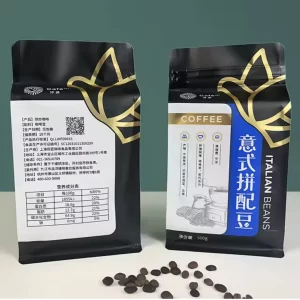
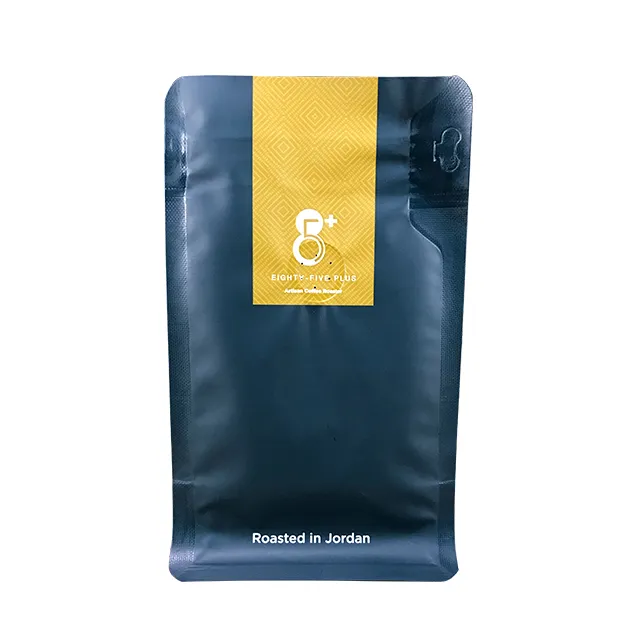
Coffee bags usually have a few layers of material in order to shield coffee beans from deterioration during storage and transport. Aluminum foil, plastic film, and inner paper make up these materials. This multi-layer structure is effective at keeping air and moisture away, but it complicates recycling. While plain single-layer plastic or paper is often readily recycled through mechanical recycling or pulping, multi-layer coffee bags have to be specially broken down or treated through chemical recycling. Otherwise, they will predominantly contribute to incinerated or landfilled waste, which saddles the environment.
Statistics are estimated to show that over millions of tons of packaging wastes from coffee bags are created annually all over the world, of which only about 20% is actually reused through industrial recycling. For instance, a few aluminum-plastic composite coffee bag brands apply thermal separation technology to remove the aluminum foil from the plastic, and then recycle them into a new composite material to be applied in the building and decoration markets. This proves that recycling coffee bags is not entirely impossible, but it does need high recycling facility and technology levels.
Tips for Sorting and Selecting Recyclable Coffee Bags
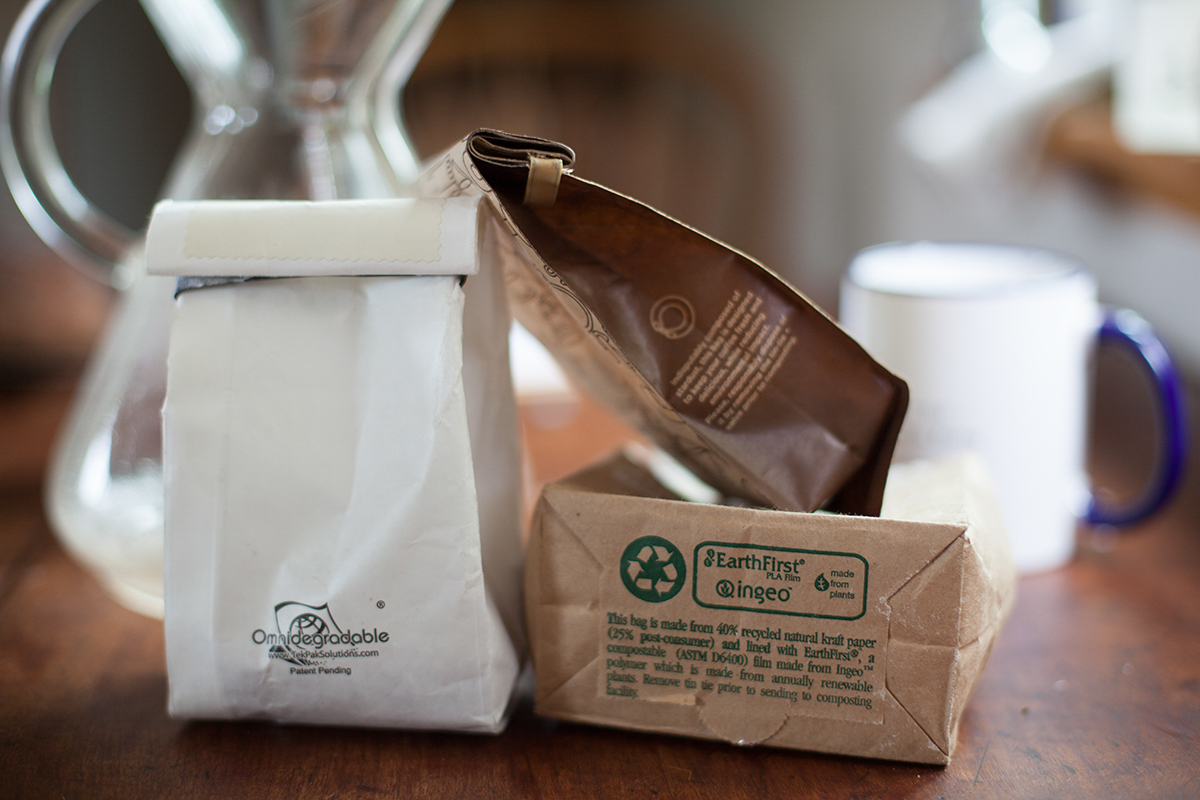
To make coffee bags more recyclable, consumers can look for the recycling logo on packaging or buy single-material coffee bags. As an example, 100% biodegradable plastic coffee bags or paper-based recyclable coffee bags are not only eco-friendly but can also be found easily with local recycling options. A few brands have also started using bio-based materials or PLA film for coffee bags, which are fully biodegradable under industrial composting conditions.
At home, minimal handling will improve the recycling efficiency of coffee bags. Begin by cleaning out whatever remains of coffee grounds inside the bag, and then fold the bag up carefully and place it in a recycling bin. While this approach doesn’t address the problem of multi-layered materials, it at least reduces contamination on recycling equipment and increases the likelihood of the reuse of resources.
Furthermore, companies can adopt a single material design or reduce the composite layer count in coffee bag manufacturing. For example, the utilization of metalized paper rather than aluminum foil or reducing the plastic layer thickness keeps coffee fresh while facilitating recycling. For consumers, the material composition and recyclability of coffee bags is vital to reduce their environmental footprint.
Actual Examples of Coffee Bag Recycling
Many companies worldwide are experimenting with recycling their coffee packaging bags. For example, one well-known Swiss coffee company partnered with a specialized recycling company to sterilize and separate back-collected coffee bags, which they then transform into eco-friendly stationery, wrapping paper, and construction materials. It’s all about actively involving consumers in the process, with waste coffee bags returning to the factory through the company’s own recycling system.
In addition, some coffee shops in Japan and South Korea have also installed coffee bag recycling stations where customers can bring empty bags to the recycling bins. These coffee bags will be processed and converted into renewable energy or plastic pellets to be used in the production of other daily items. Evidence shows that within one year, following their usage, these recycling initiatives have the ability to reduce the amount of coffee bags that end up in landfill by an estimated 15%, thus reducing environmental impact.
The above examples demonstrate that coffee bag recycling is not only based on material selection but also on a large recycling system and committed consumer involvement. It is through collaboration between companies and consumers that coffee bag recycling can be achieved.
Environmental Tips for Using Coffee Bags
Although recycling coffee bags is tricky, consumers still have the option to reduce their own environmental impacts by adopting some green practices. Firstly, purchasing recyclable or compostable coffee bags is the easiest option. Secondly, another green action is reusing coffee bags, such as using empty bags for storing something, crafting, or food re-packaging. This not only extends the usage of coffee bags to its fullest but also reduces wastage.
In addition, families can recycle coffee bags centrally and send them to certified community recycling centers. Firms can also encourage coffee bag recycling incentive campaigns to encourage consumers to recycle coffee bags. As materials science and recycling technology improve, coffee bags in the future will become more sustainable and environmentally friendly.
Future Trends in Coffee Bag Recycling
With rising environmental laws and consumer awareness, the market for coffee bags is witnessing material innovation and manufacturing efficiency. More and more coffee bags are being made from single or compostable materials to enable recycling systems and industrial composting. At the same time, technology companies are manufacturing composite coffee bags that can be easily decomposed or chemically recycled, providing the market with greener solutions.
Recycling coffee bags in the future can go beyond traditional recycling to include energy recovery, material recycling, and biodegradation. Companies will concentrate on managing the full lifecycle while designing coffee bags, considering environmental impacts from the production stage to utilization and recycling. This will provide customers with more recyclable goods and propel the coffee bag industry towards sustainable development.
Conclusion
Generally, recycling coffee bags is difficult but not impossible. Multi-layer composite coffee bags require advanced recycling technology, but single-material or biodegradable ones can be relatively easily recycled. Consumers can reduce coffee bags’ environmental impact through the use of environmentally friendly materials, proper cleanup of the leftovers, and participation in recycling programs. Companies also need to consider material recyclability and recycling during the product planning and manufacturing of coffee bags, thereby enabling sustainable development in the whole coffee industry.
With joint efforts of consumers and businesses, not only can coffee bags be recycled efficiently, but they can guarantee the quality of coffee and save the environment, thereby assisting in the realization of a green circular economy.
About Lebei
Lebei is a flexible packaging expert since 1995, with expertise in providing wholesale ready-to-ship pouches and bespoke flexible packaging. Lebei not only has state-of-the-art equipment for manufacturing, but also tailors coffee bags and other flexible packaging items in various materials, dimensions, and printing solutions. Whether it’s food packaging, coffee packaging, or other industrial needs, Lebei makes sure to provide top-notch, green, and cost-effective packaging solutions.