Introduction
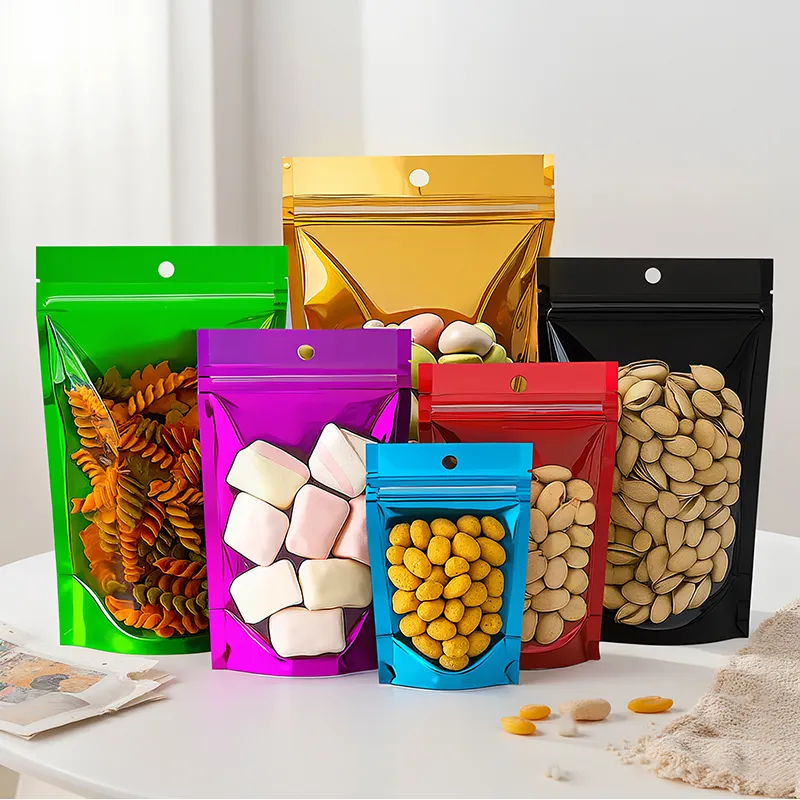
Sustainability has become one of the most discussed topics in the global packaging industry. As governments tighten environmental regulations and consumers become more eco-conscious, brands are under increasing pressure to choose packaging solutions that balance performance with environmental responsibility. Among the many flexible packaging options available today, foil-based structures are often questioned for their recyclability and environmental impact. This has led many buyers to ask: are Foil Pouches truly recyclable, or are they simply efficient but environmentally problematic?
Foil-based packaging is widely used in food, beverage, pharmaceutical, and household product sectors due to its excellent barrier properties. It protects products from oxygen, moisture, light, and contamination, making it ideal for long shelf-life applications. However, the same multilayer structure that gives foil packaging its strength also makes recycling more complex. As a result, understanding the realities behind recyclability is essential for brands that want to make informed packaging decisions.
In this article, we will explore how Foil Pouches are made, whether they can be recycled, what sustainability alternatives exist, and how businesses can responsibly use foil packaging. By separating myths from facts, this guide aims to help brands align packaging performance with environmental goals.
What Are Foil Pouches Made Of?
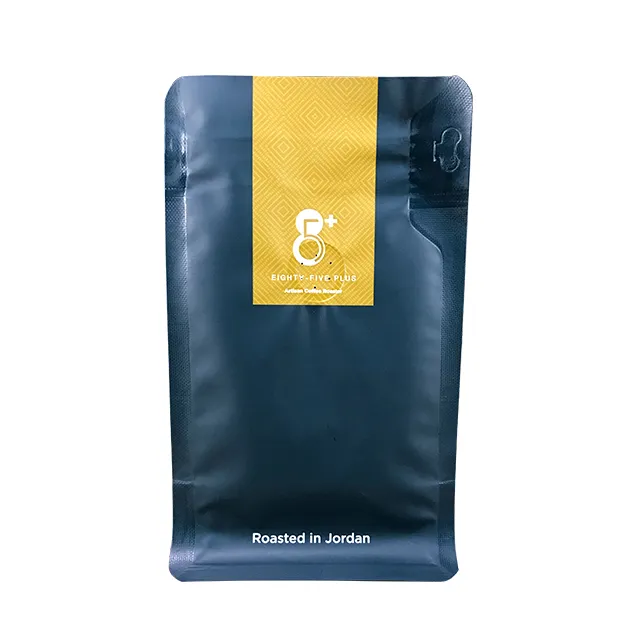
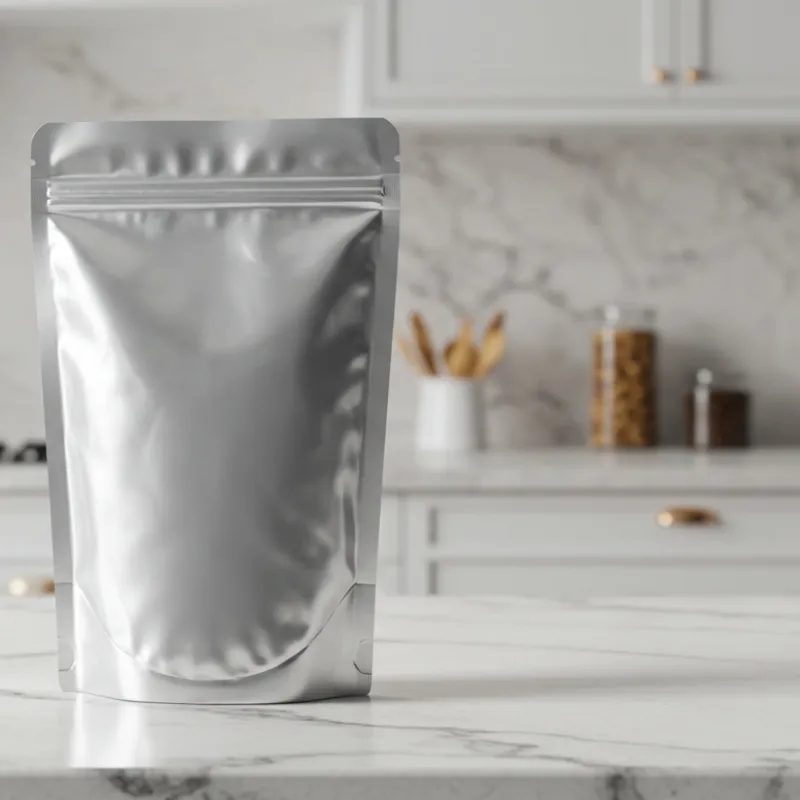
Foil pouches are typically constructed from multiple laminated layers, each serving a specific purpose. A common structure includes aluminum foil combined with plastic films such as PET, PE, or nylon. The aluminum layer provides exceptional barrier protection, while the plastic layers offer flexibility, heat sealability, and durability. This combination is what makes Foil Pouches so effective for protecting sensitive products.
From a functional standpoint, aluminum foil is one of the most efficient barrier materials available. According to industry data, aluminum foil can block nearly 100% of light, oxygen, and moisture, significantly extending product shelf life. This makes foil packaging particularly valuable for coffee, powdered beverages, pharmaceuticals, and high-fat foods that are prone to oxidation.
However, this multilayer construction also creates challenges for recycling. Traditional recycling systems are designed to process single-material packaging. Separating aluminum from plastic layers requires specialized technology, which is not widely available in many regions. As a result, most municipal recycling programs cannot easily process laminated foil structures, even though aluminum itself is highly recyclable.
Are Foil Pouches Actually Recyclable?
The recyclability of Foil Pouches depends largely on local recycling infrastructure and pouch design. In theory, aluminum is infinitely recyclable without losing its properties. However, when aluminum is bonded with plastic layers, mechanical separation becomes difficult. This is why many standard recycling facilities classify foil pouches as non-recyclable.
That said, recycling technology is evolving. In some countries, advanced recycling programs and specialized facilities can process multi-material packaging through chemical recycling or energy recovery systems. These processes break down plastics and recover aluminum, reducing landfill waste. According to recent industry reports, less than 10% of flexible packaging globally is currently recycled, but this number is expected to grow as infrastructure improves.
Brands should also be aware of store drop-off programs and third-party recycling initiatives that accept certain types of flexible packaging. Clear communication with consumers about proper disposal options can improve recycling outcomes and reduce environmental impact, even when curbside recycling is not available.
Environmental Benefits of Using Foil-Based Packaging
While recyclability is a critical concern, it is important to consider the full environmental footprint of packaging. Foil Pouches offer significant sustainability benefits when evaluated across their entire lifecycle. Their superior barrier properties help reduce food waste, which is a major contributor to global greenhouse gas emissions. Studies show that preventing food waste can have a greater positive environmental impact than switching to less effective packaging materials.
Additionally, foil pouches are lightweight compared to rigid packaging alternatives such as glass jars or metal cans. Reduced weight leads to lower transportation emissions and improved logistics efficiency. In some cases, switching from rigid packaging to flexible foil structures can reduce transportation-related carbon emissions by more than 30%.
Foil packaging also enables portion control and extended shelf life, further minimizing waste. When used responsibly and paired with proper disposal guidance, foil-based packaging can be part of a balanced sustainability strategy rather than a purely negative choice.
Sustainable Innovations and Alternatives
To address recycling concerns, packaging manufacturers are actively developing more sustainable solutions. One approach is downgauging, which reduces material thickness while maintaining performance. This lowers overall material usage without compromising barrier protection.
Another innovation is the development of mono-material or recyclable barrier structures that aim to replace traditional foil layers. While these alternatives are improving, they may not yet match the performance of Foil Pouches for certain high-barrier applications. Brands must carefully evaluate whether alternative materials can meet product protection requirements without increasing spoilage or returns.
Some manufacturers are also investing in take-back programs and partnerships with recycling organizations. These initiatives help close the loop by ensuring used packaging is collected and processed through appropriate channels.
Tips for Responsible Use of Foil Pouches
Brands that rely on Foil Pouches can take several steps to reduce environmental impact. First, work with packaging suppliers who understand sustainability regulations and can recommend optimized structures. Choosing the right pouch design can significantly reduce material usage.
Second, provide clear disposal instructions on packaging. Educating consumers about proper waste handling improves participation in recycling programs and reduces contamination in recycling streams.
Finally, regularly review packaging choices as recycling technology evolves. What is not recyclable today may become recyclable in the near future as infrastructure and materials science advance.
Conclusion
So, are Foil Pouches recyclable? The answer is nuanced. While traditional foil pouches are challenging to recycle through standard municipal systems, they offer significant environmental benefits in terms of product protection, waste reduction, and transportation efficiency. When viewed through a full lifecycle lens, foil-based packaging can be a responsible choice for many applications.
Sustainability is not about choosing a single “perfect” material but about balancing performance, waste reduction, and end-of-life options. Brands that understand the realities of foil packaging and actively seek responsible solutions are better positioned to meet both environmental and business goals.
About Lebei
Lebei is a professional flexible packaging manufacturer with decades of industry experience. Founded in 1995, Lebei specializes in wholesale ready-to-ship pouches and custom flexible packaging solutions for global markets. With advanced manufacturing capabilities, strict quality control, and a strong focus on sustainability, Lebei helps brands select packaging structures that balance performance, compliance, and environmental responsibility. Whether for food, beverage, or specialty products, Lebei provides reliable, flexible packaging solutions built for long-term success.