Introduction
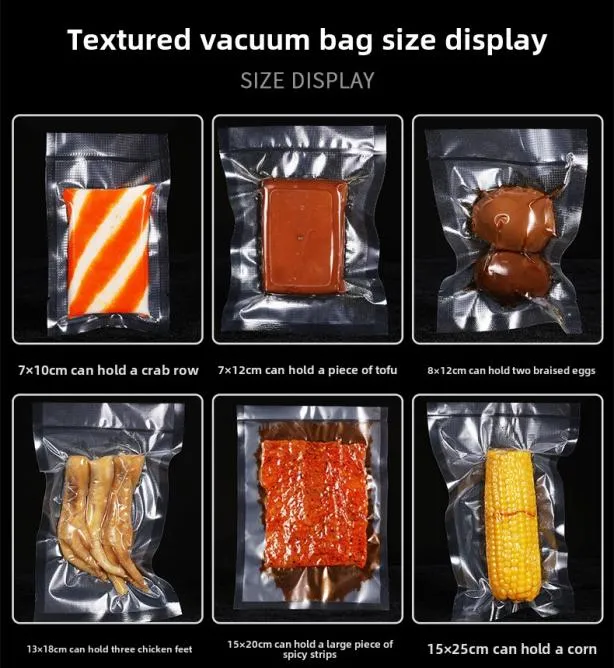
Food safety is no longer only about how food is processed or stored. In today’s global food industry, packaging plays an equally critical role in protecting products, extending shelf life, and ensuring consumer health. As food travels longer distances and remains on shelves for extended periods, brands and buyers are paying closer attention to whether their packaging solutions truly meet safety requirements. One commonly used solution across many food categories is vacuum packaging pouches.
Vacuum packaging works by removing air from the package before sealing, significantly slowing down oxidation and microbial growth. This makes vacuum packaging pouches popular for meat, seafood, cheese, coffee, ready meals, and even pet food. However, despite their widespread use, many businesses still question whether these pouches are genuinely safe for direct food contact, especially when used for long-term storage or heat processing.
This article provides a comprehensive and practical analysis of food safety related to vacuum packaging pouches. We will explore the materials used, regulatory standards, real-world food applications, and common mistakes to avoid. By understanding how safety is built into both the pouch structure and the production process, you can make informed decisions that protect your brand, comply with regulations, and deliver safe products to consumers.
Materials Used in Vacuum Packaging Pouches and Their Safety
Vacuum packaging pouches are typically made from multilayer laminated films, each layer designed to serve a specific function. Common materials include polyethylene (PE), nylon (PA), PET, and sometimes aluminum foil. The food-contact layer is usually PE, chosen for its chemical stability and compliance with food safety standards.
The safety of these materials depends largely on whether they are food-grade. Food-grade plastics are tested to ensure they do not release harmful substances when in contact with food. According to industry testing data, certified food-grade materials show extremely low migration levels, well within FDA and EU limits. This makes them suitable for long-term food storage.
Material selection also depends on the type of food being packaged. High-fat foods, acidic products, or items requiring freezing or heating place different demands on packaging. Nylon layers, for example, offer excellent puncture resistance and temperature stability, making them ideal for meat and seafood. Using the right material structure is essential to ensuring that vacuum packaging pouches remain safe throughout their entire lifecycle.
Food Safety Regulations and Compliance Standards
Food safety regulations are a key factor in determining whether vacuum packaging pouches are safe for use. In the United States, packaging materials that come into contact with food must comply with FDA regulations under 21 CFR. In Europe, materials must meet the requirements of Regulation (EC) No 1935/2004 and related migration standards.
Beyond legal compliance, third-party certifications provide additional reassurance. Standards such as ISO 22000, BRC Packaging, and HACCP focus on food safety management, traceability, and risk control. Manufacturers holding these certifications typically follow stricter quality control procedures and conduct regular testing.
Market-specific compliance is another important consideration. Products exported to the Middle East, Southeast Asia, or Europe may require additional documentation or testing reports. Working with a manufacturer experienced in international markets helps reduce the risk of customs delays or rejected shipments. Proper documentation ensures that vacuum packaging pouches meet both safety and regulatory expectations.
How Vacuum Packaging Improves Food Safety and Shelf Life
One of the biggest advantages of vacuum packaging pouches is their ability to extend shelf life while maintaining food safety. By removing oxygen, vacuum packaging significantly slows oxidation and inhibits the growth of aerobic bacteria and mold. Studies show that vacuum-packed meat and cheese can last several times longer than products stored in traditional packaging under the same conditions.
However, vacuum packaging is not a substitute for proper food handling. Anaerobic bacteria can still grow if temperature control and hygiene are neglected. This is why vacuum packaging is often combined with refrigeration, freezing, or pasteurization to ensure safety.
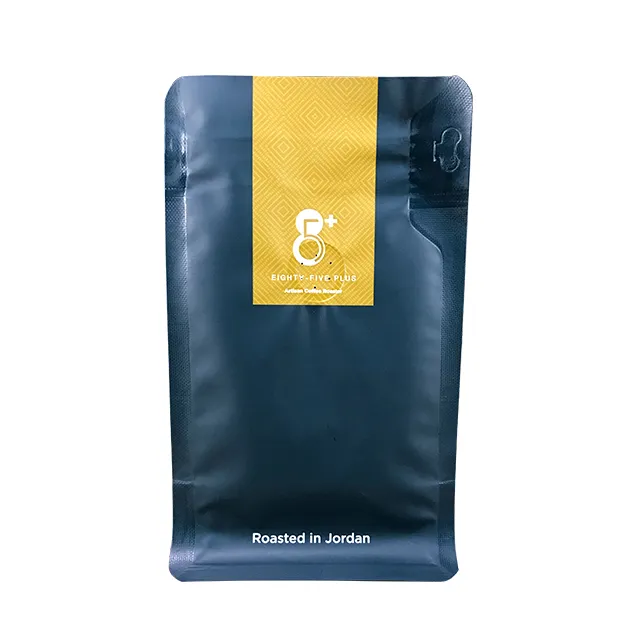
In real-world applications, vacuum packaging pouches are widely used for coffee beans, where oxygen removal preserves aroma and flavor, and for ready-to-eat meals, where vacuum sealing supports extended refrigerated shelf life. These examples demonstrate that when used correctly, vacuum packaging is a powerful tool for maintaining both quality and safety.
Common Mistakes When Choosing Vacuum Packaging Pouches
Despite their benefits, vacuum packaging pouches can pose risks if chosen incorrectly. One common mistake is focusing solely on price. Low-cost pouches may use thinner films or non-certified materials, increasing the likelihood of leaks, contamination, or chemical migration.
Another frequent issue is using the wrong pouch structure for the product. For example, oily or acidic foods require materials with higher resistance to chemical interaction. Failure to match the packaging structure to the food type can result in reduced shelf life or altered taste.
Lack of supplier transparency is also a risk factor. Reliable manufacturers provide migration test reports, material specifications, and traceability records. Treating packaging as a strategic component rather than a simple cost item helps ensure long-term food safety and brand protection.
Practical Tips for Ensuring Safe Use
To fully benefit from vacuum packaging pouches, brands should implement clear internal guidelines. Shelf-life testing under real storage conditions is essential to validate performance beyond laboratory results. This helps identify potential issues before products reach the market.
Clear labeling and storage instructions also play an important role. Even the safest packaging cannot compensate for improper handling. Educating distributors and retailers reduces misuse and food safety risks.
Finally, maintaining long-term cooperation with a trusted packaging supplier allows for continuous improvement. Regular reviews of materials, regulations, and customer feedback ensure that vacuum packaging pouches remain compliant and effective as market requirements evolve.
Conclusion
So, are vacuum packaging pouches food safe? The answer is yes—when they are made from certified food-grade materials, produced under strict quality control systems, and used correctly within a broader food safety framework. They are an effective solution for extending shelf life, preserving quality, and reducing food waste across many categories.
Food safety is never dependent on a single factor. Packaging, processing, storage, and logistics must work together. Brands that take a comprehensive approach and choose experienced, compliant manufacturers can confidently rely on vacuum packaging pouches as part of their food safety strategy.
About Lebei
Lebei is a professional flexible packaging manufacturer with decades of industry experience. Founded in 1995, Lebei specializes in wholesale ready-to-ship pouches and custom flexible packaging solutions for global food brands. With advanced production lines, strict quality control systems, and deep understanding of international food safety regulations, Lebei delivers reliable packaging solutions tailored to different markets and applications. From everyday food packaging to high-barrier vacuum packaging pouches, Lebei is committed to safety, consistency, and long-term partnership.