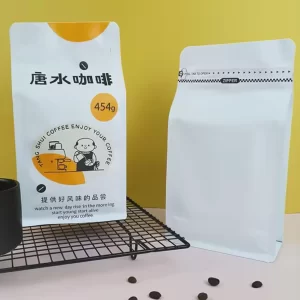
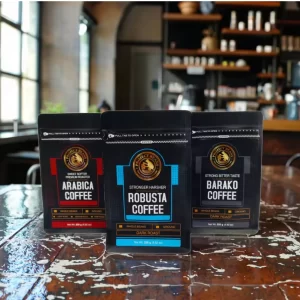
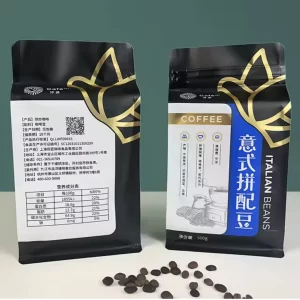
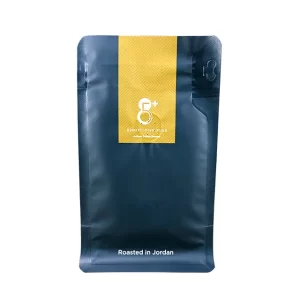
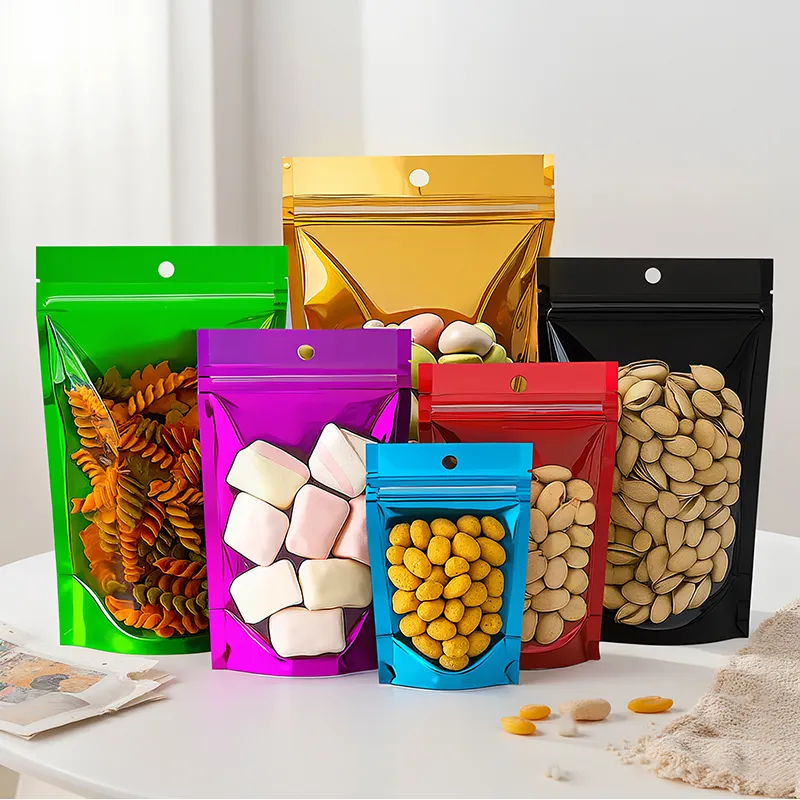
A great cup of coffee doesn’t start at the brewer—it starts with the right coffee packaging. Roasted coffee beans are “active” ingredients, which means they are prone to light, oxygen, moisture, and heat.
Packaging isn’t merely a container; it’s a guardian that directly seals in (or lets escape) the flavors coffee lovers cherish.
Why Coffee Packaging Matters So Much
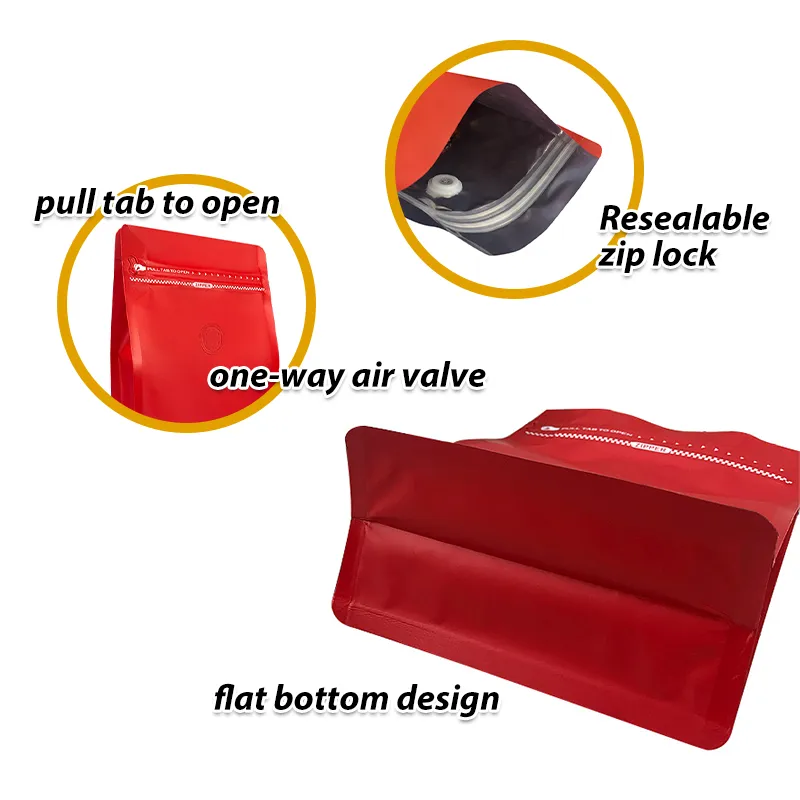
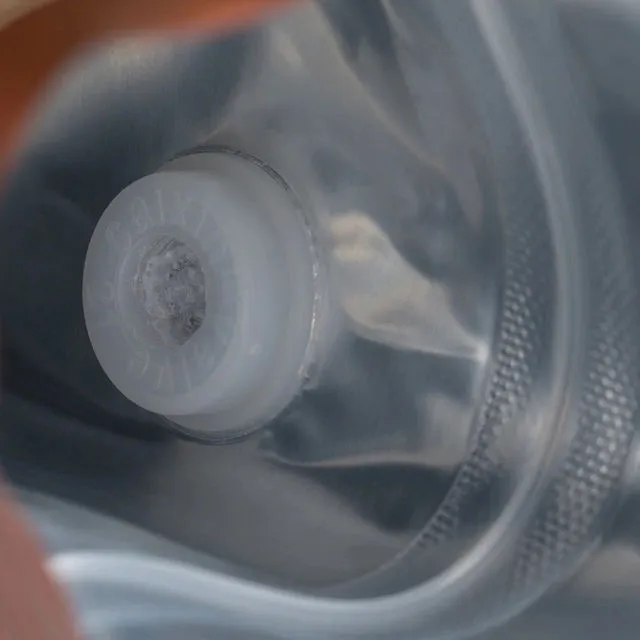
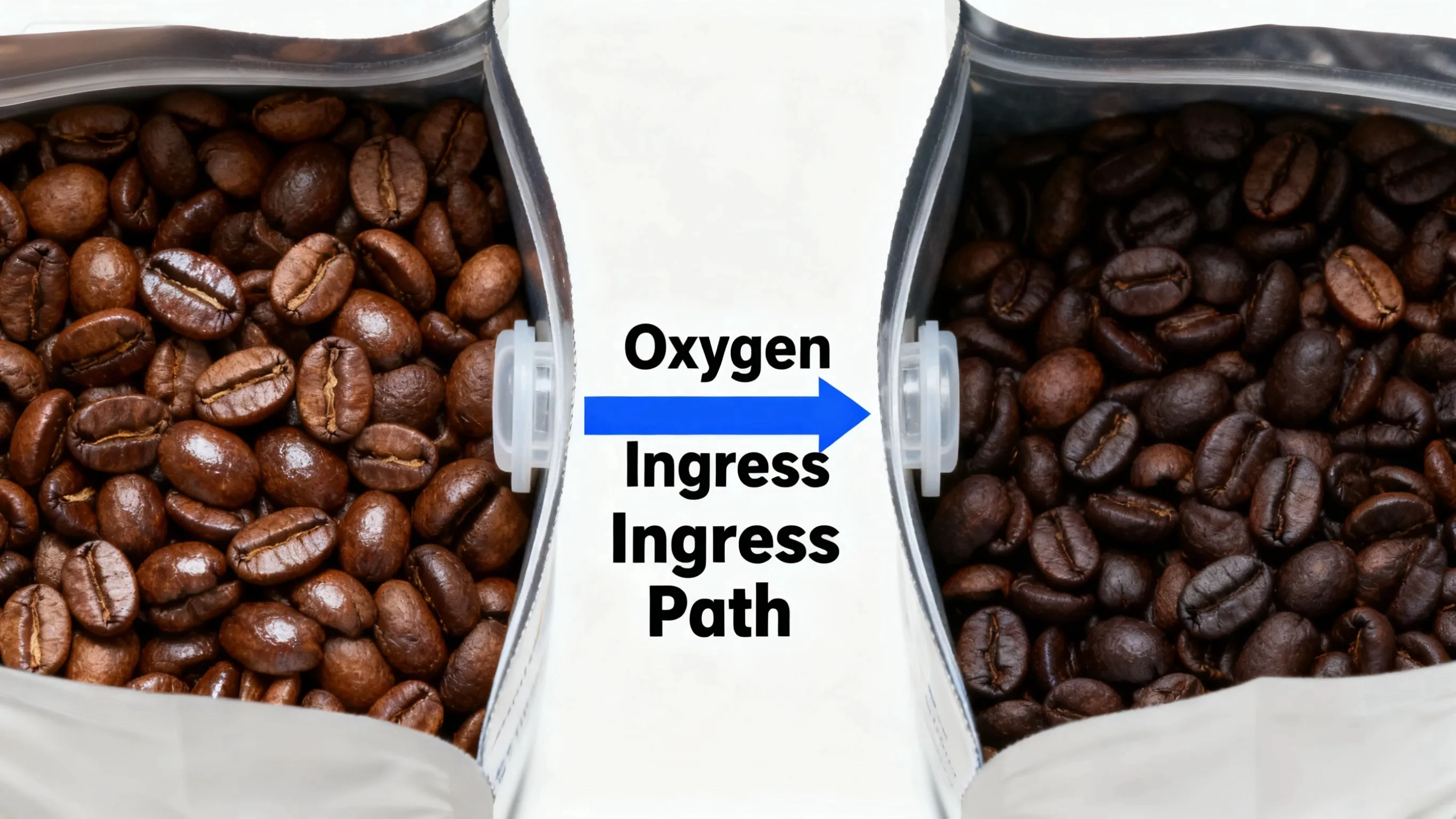
Following roasting, coffee beans emit carbon dioxide continuously (a process known as degassing) while also reacting with their surroundings. Poor coffee packaging leads to a loss of bean freshness and flavor complexity quickly. Research indicates that coffee beans that are exposed to oxygen can undergo extensive flavor degradation within a matter of days.
Packaging creates a physical barrier, isolating coffee from the outside environment. But different packaging materials, constructions, and technologies give widely differing levels of protection. Good coffee packaging can extend coffee’s optimum flavor life by weeks or months.
Oxygen: The Primary Enemy of Coffee Freshness
Roasted coffee releases CO₂, but the moment it absorbs oxygen, oxidation begins. This chemical process breaks down the bean’s aromatic oils and flavor compounds—turning a bright, fruity, or nutty cup into a dull, stale one.
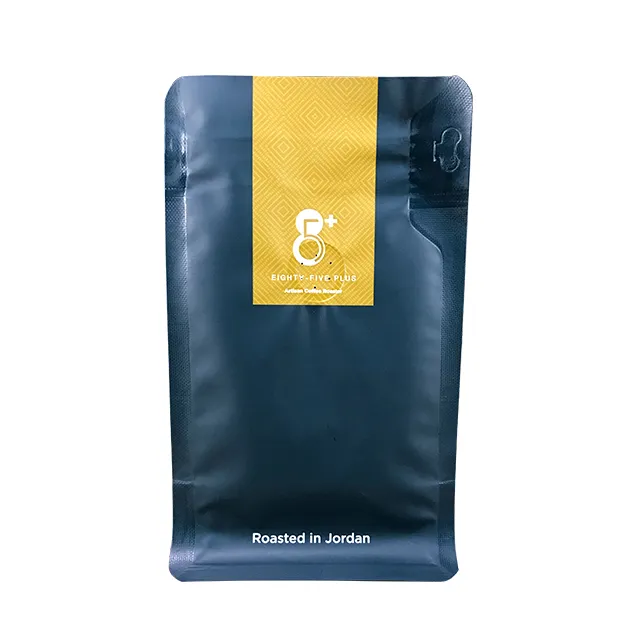
Proper coffee packaging uses one-way degassing valves to solve this: they let surplus CO₂ out without permitting oxygen in. A valve-less bag? It either balloons (due to contained gas) or lets oxygen seep in and ruin freshness in a hurry.
Light & Moisture: Sneaky Flavor Killers
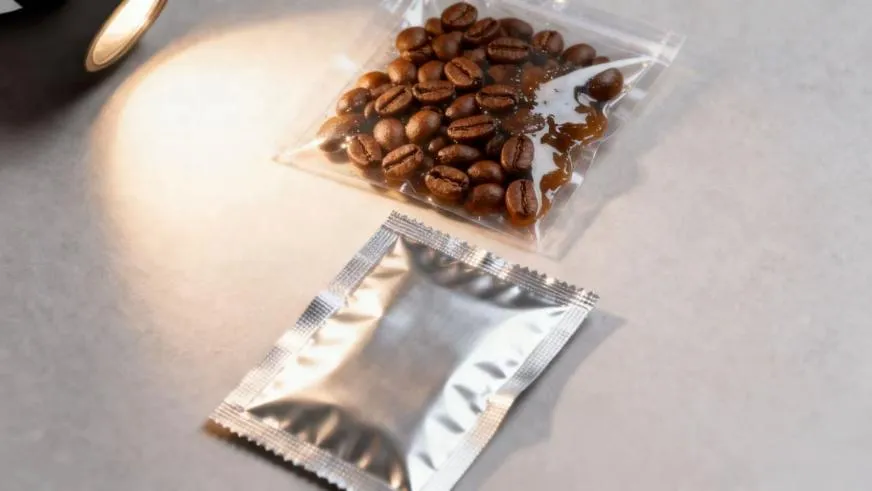
UV light breaks down coffee’s natural oils and destroys its nuanced aromas—it’s like a sunburn for your beans. This is partly why most specialty coffee comes in opaque, matte coffee packaging (not clear plastic) to block out light.
Moisture is just as damaging: it makes beans absorb water, which leads to mold and a “musty” taste. Good coffee packaging uses moisture-resistant films (like laminated PET or aluminum foil) to keep humidity out, even in damp kitchens.
Seal Integrity: The Final Freshness Barrier
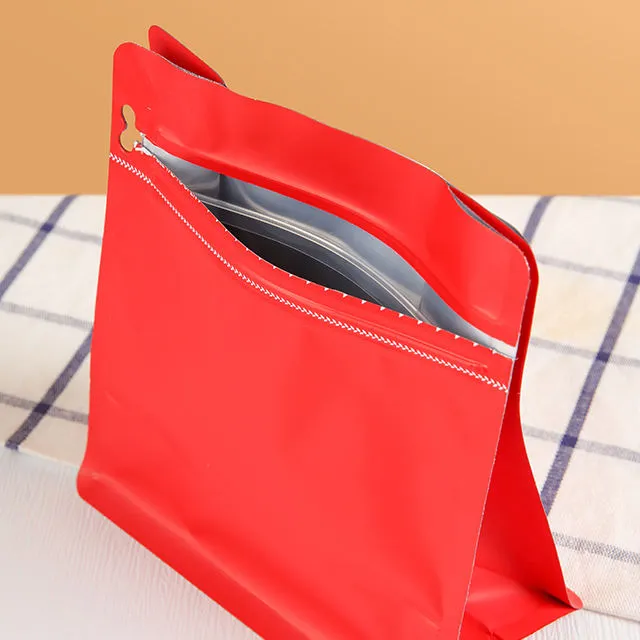
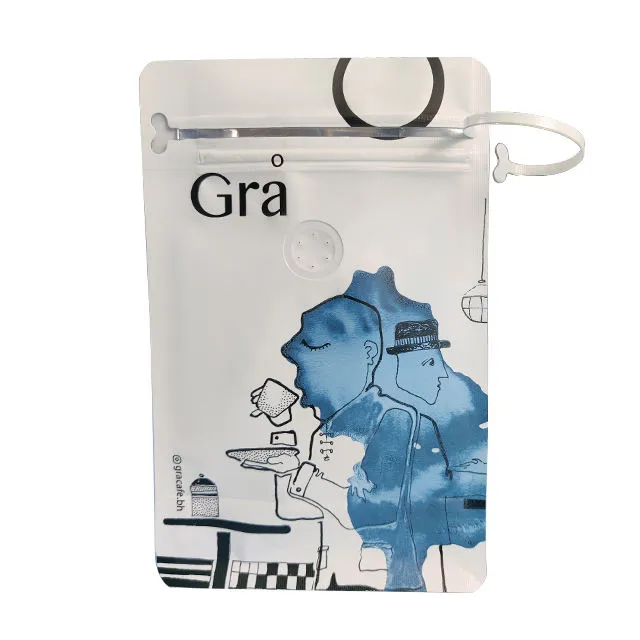
Even top-quality materials are useless if the seal is inferior. A loose or leaky seal lets in oxygen and moisture over time. Commercial coffee packaging uses heat-sealed edges (not stickers or zippers by themselves) for an airtight seal.
In single-serve offerings, foil-lined sachets preserve each cup as fresh as the day it was packaged—no more stale coffee from a partly opened bag.
A Practical Guide to Choosing Quality Coffee Packaging
1. Check Packaging Technology
- Look for packages with one-way degassing valves.
- Check the roast date rather than, or in conjunction with, the expiration date.
2. Evaluate Packaging Materials
- Choose composite materials with aluminum foil layers.
- Check packaging thickness and durability.
- Look for seal integrity—no air leaks, no tears.
3. Storage After Opening
No matter how good the packaging of the coffee is, its protective value is lost when opened. No matter the method of opening, after opening:
- Transfer coffee to an airtight container immediately.
- Avoid storing in clear containers; use dark or opaque materials.
- Store in a cool dry place, away from heat sources and light.
- Coffee beans are best within one month, ground coffee within two weeks.
Why This Matters for Coffee Lovers
You wouldn’t purchase stale bread—so why settle for stale coffee? Good coffee packaging seals in the bean’s “peak flavor” (usually 2–4 weeks after roasting).
Next time you reach for a bag, check for three things: a one-way valve, opaque material, and a tight seal. That’s how you can be sure you’re getting coffee that tastes like it was roasted yesterday.
If you’re looking for coffee packaging solutions that truly lock in flavor while creating brand value, we can’t wait to collaborate with you.