Vacuum sealing is an effective way to lock in steak freshness—by isolating air and inhibiting bacterial growth, it not only extends storage time but also preserves the meat’s juiciness and flavor to the maximum. However, the shelf life is not fixed; it mainly depends on storage conditions, steak quality, and other key factors. Here is a detailed breakdown:
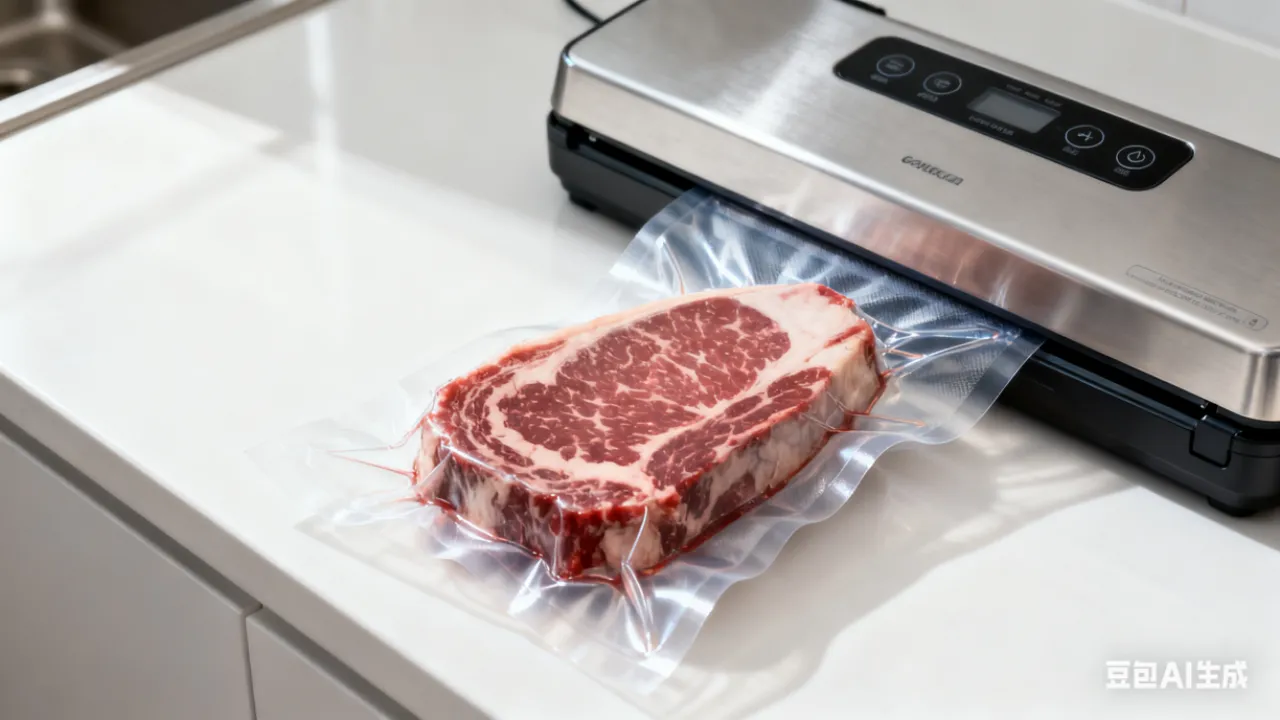
Key Takeaways
Refrigerator (0-4℃ / 32-40℉): 3-5 days
Vacuum-sealing blocks oxygen, extending storage by 2-3 days compared to regular storage (1-2 days in airtight containers or plastic wrap), ideal for short-term storage of steak to be cooked soon.
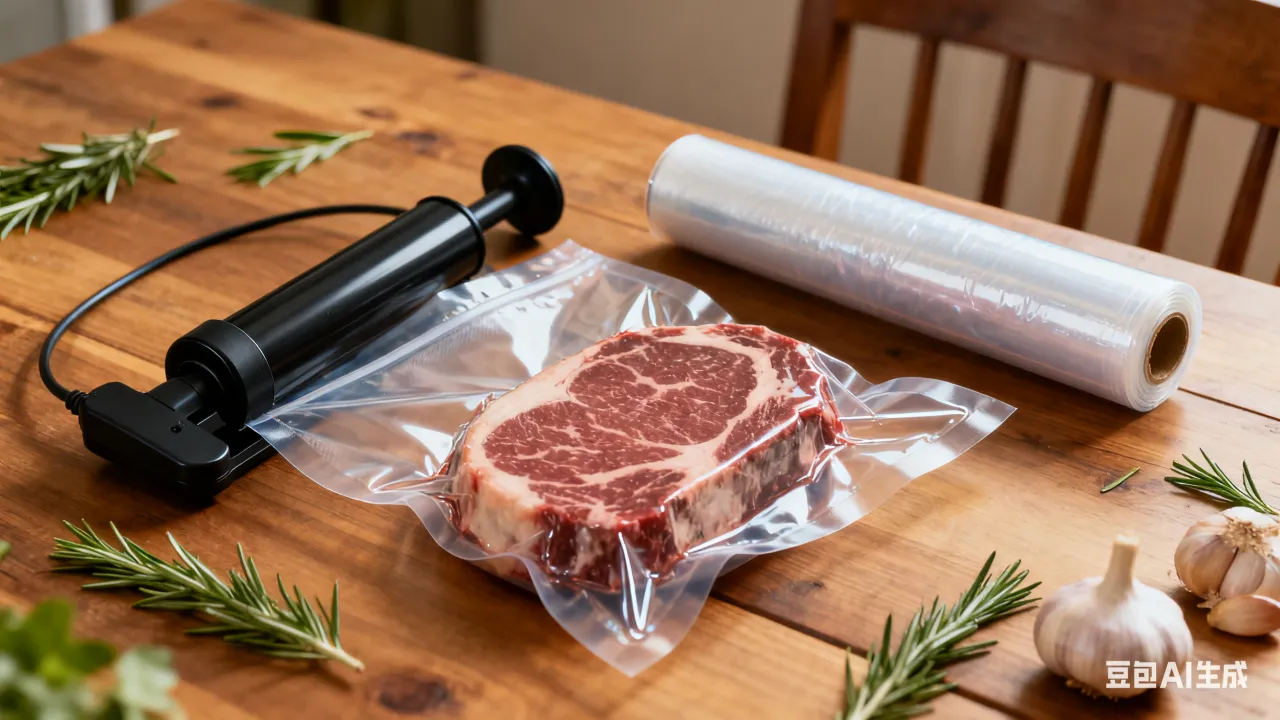
Freezer (-18℃ / 0℉ or below): 6-12 months
Low temperature + oxygen-free environment slows fat oxidation and freezer burn. Marbled steak (e.g., ribeye, New York strip) can last up to 12 months, while lean steaks (e.g., filet mignon) are best consumed within 6-9 months for optimal flavor.
Room Temperature (>4℃ / 40℉): ≤2 hours
Bacteria multiply rapidly at room temperature, and vacuum sealing cannot prevent spoilage. In high-temperature environments (>32℃ in summer), reduce to within 1 hour.
Factors Affecting Shelf Life
Initial Freshness
Choose steaks with firm texture, bright red (or dark red) color, no odd odor, and no slimy surface. If the steak is already near its expiration date, vacuum sealing won’t significantly extend its storage time.
Seal Integrity
Ensure vacuum bags are intact (no tears or pinholes) and fully airtight—residual air creates a breeding ground for bacteria, accelerating spoilage and oxidation.
Temperature Stability
Cut steaks have a larger surface area, making them more prone to bacteria growth. Seal whole steaks when possible; if portioning, seal immediately after cutting with sterilized tools.
Signs Of Spoilage
- Appearance: Meat turns gray/green, slimy surface, abnormal moisture or bloating in the bag
- Odor: Sour, rotten, or ammonia-like smells when opening the bag (no natural fresh beef aroma)
- Texture: Loss of elasticity when pressed, excessive cloudy blood (not clear juice) after thawing
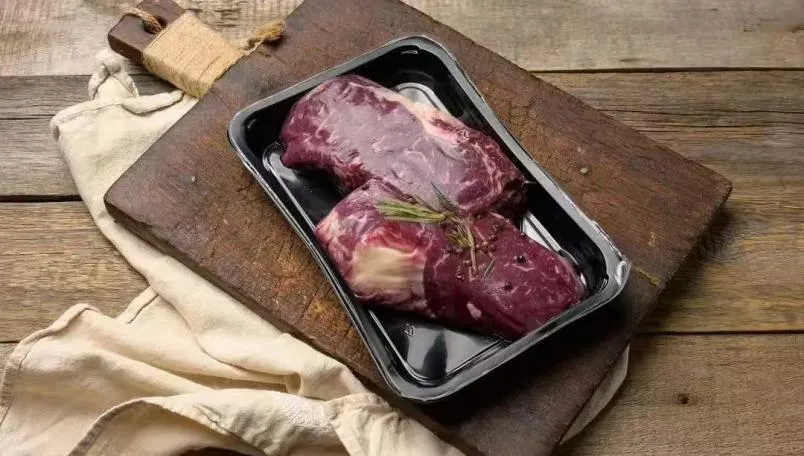
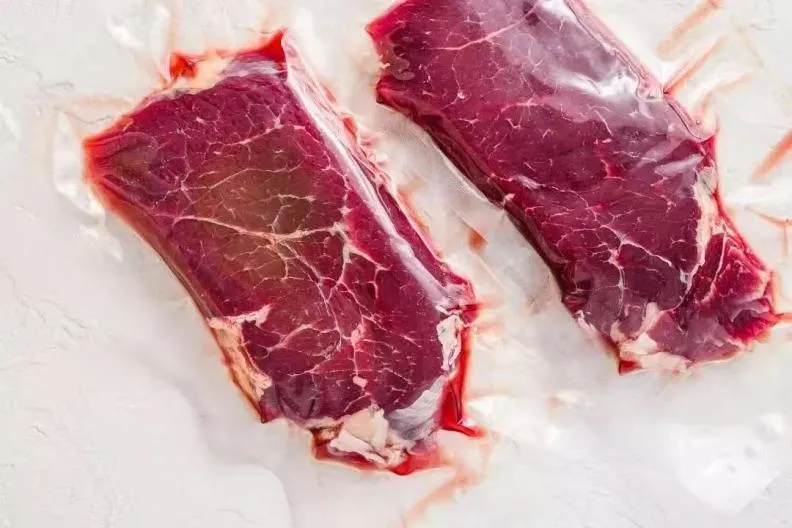
Pro Tips For Better Preservation
- Portion and seal: Split steaks into single-serve portions and vacuum seal individually to avoid repeated thawing/freezing, which damages meat texture.
- Pre-freeze prep: Pat steaks dry thoroughly with paper towels before sealing—reduces ice crystal formation and prevents dryness after thawing.
- Thaw properly: Defrost slowly in the refrigerator (8-12 hours) or in a sealed bag submerged in cold water. Avoid room-temperature or microwave thawing to prevent bacterial growth from temperature differences.
- Re-sealing: If thawed steaks aren’t cooked, re-vacuum-seal and refrigerate within 24 hours—do not refreeze.
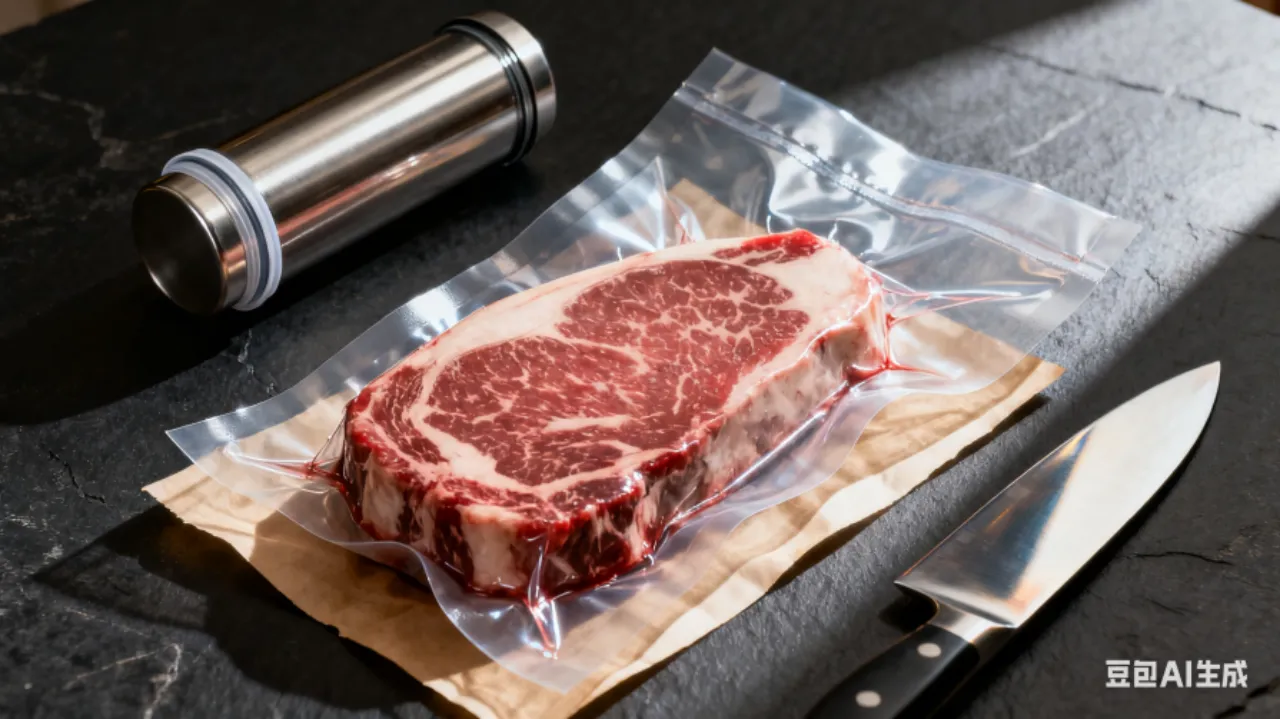
Choose quality food packaging to lock in freshness & safety!
Lebei offer custom vacuum sealed bags for steaks, fresh produce, etc. High barrier, strong seal, food-grade. Inquire now for your tailored solution!