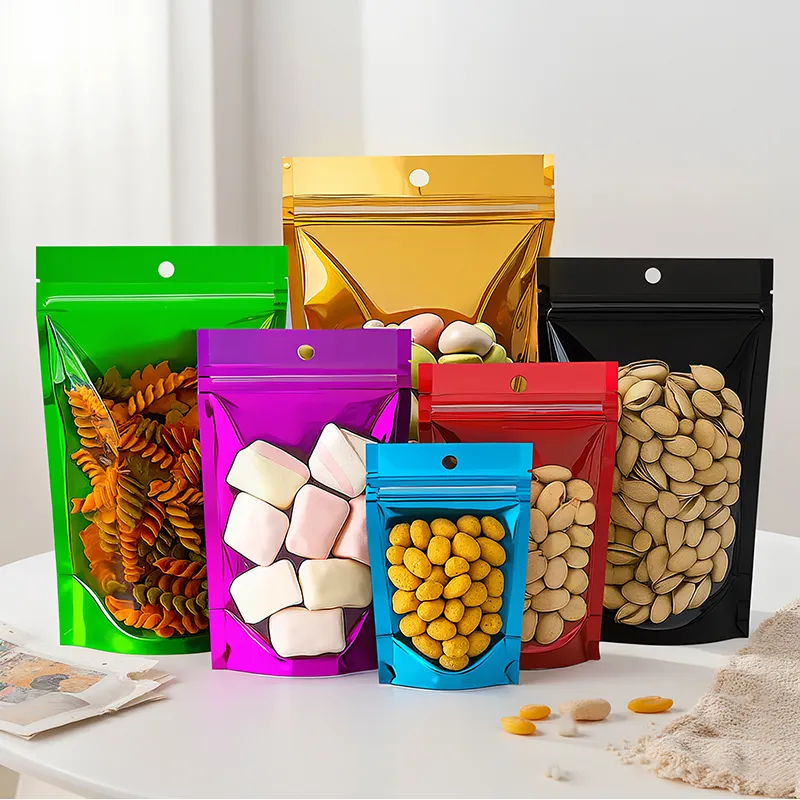
A vacuum sealer is among the most useful methods to prolong the freshness of food, avoid freezer burn, and conserve crucial space. Whether meal-preparing, purchasing in bulk, or decluttering your freezer, this guide tells you everything you need to know about vacuum sealing food effectively.
What You Need
Vacuum Sealer Machine
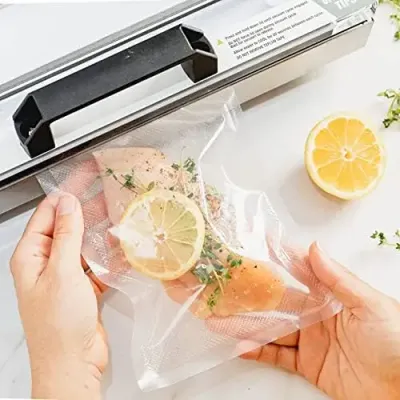
This is the main appliance that creates vacuum seals. There are two types generally available:
- External suction sealers: The most typical for domestic use.
- Chamber vacuum sealers: More powerful and suited for commercial kitchens.
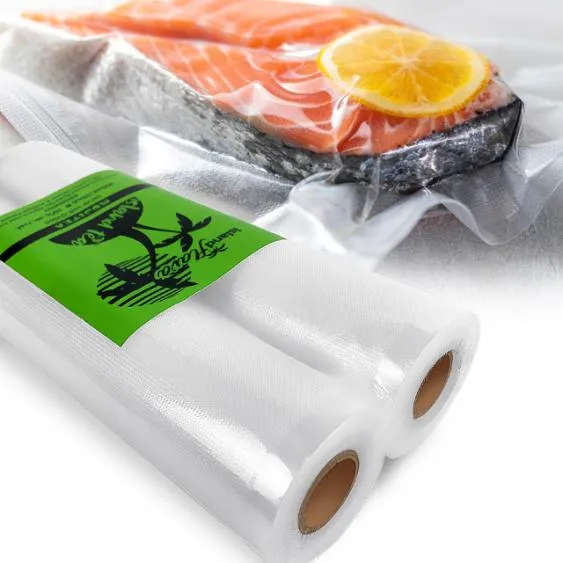
Vacuum Seal Bags or Rolls
Make sure your vacuum seal bags are machine-compatible.
- Pre-cut bags: Convenient and available in different sizes.
- Rolls: Allow you to create custom sizes for any product.
Items to Seal
You can vacuum-seal not only food but also clothing, documents, and emergency supplies to prevent them from moisture and damage.
Preparation Before You Start: Preparing the Food
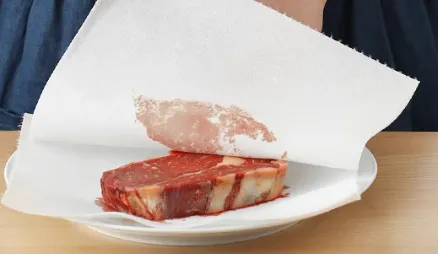
Preparation of food is the key to freshness that lasts a long time.
- Dry it: Dry meat, fish, and vegetables well. Water can undermine the seal and cause freezer burn.
- Freeze liquids first: Soups, sauces, and stews should be pre-frozen on a tray before closing to prevent liquids from being sucked into the machine.
- Protect sharp edges: In instances of bone-in meat or items with sharp corners, handle them gently or wrap edges to prevent the bag puncture.
Step-by-Step: How to Vacuum Seal
Fill the Bag
Place food and leave 2–3 inches (5–7 cm) of empty space at the top.
Position the Bag
Position the open end even on top of the heat strip of the sealer.
Seal
Close the lid and press “Vacuum & Seal.” The machine will heat-seal the bag and automatically evacuate the air.
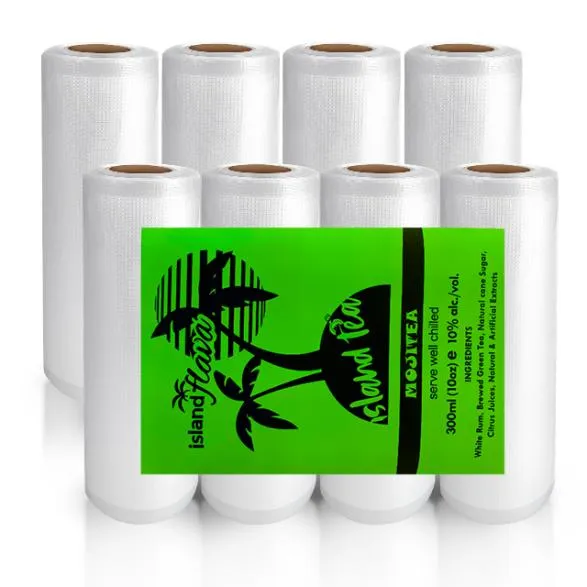
When using a roll instead of pre-cut bags, begin by creating one sealed edge. Place one end of the roll onto the sealing strip and press “Seal” to create the bottom of the bag prior to filling with food.
Pro Tips for Better Food Preservation
- Label it all: Include the food name and date before sealing for easy identification.
- Avoid powders and fine granules: Foods such as flour or spices may get sucked into the machine.
- Double seal heavy items: Add a second seal line on large or dense foods for extra protection.
- Be aware of the exceptions: Don’t vacuum seal soft cheeses (they’ll be crushed) or fresh onions and garlic (they’ll develop botulism in anaerobic conditions).
Outside the Kitchen: Other Creative Applications for Vacuum Sealing
A vacuum sealer has uses far beyond the storage of food.
- Travel: Press clothing, jackets, and blankets to save space in luggage.
- Emergency kits: Secure important documents, first-aid supplies, and matches waterproof and secure.
- Seasonal storage: Keep out-of-season bedding and clothing away from moisture, insects, and dust.
- Marinating: With vacuum sealing, marinades are able to penetrate the meat within a few minutes, and you save hours of marinating.
Conclusion: Keep Food Fresher for Longer
A vacuum sealer is an inexpensive, handy gadget used in long-term food storage. If you prepare the food and seal it, you are able to keep food fresh, reduce food wastage, and have your storage better organized.