Introduction
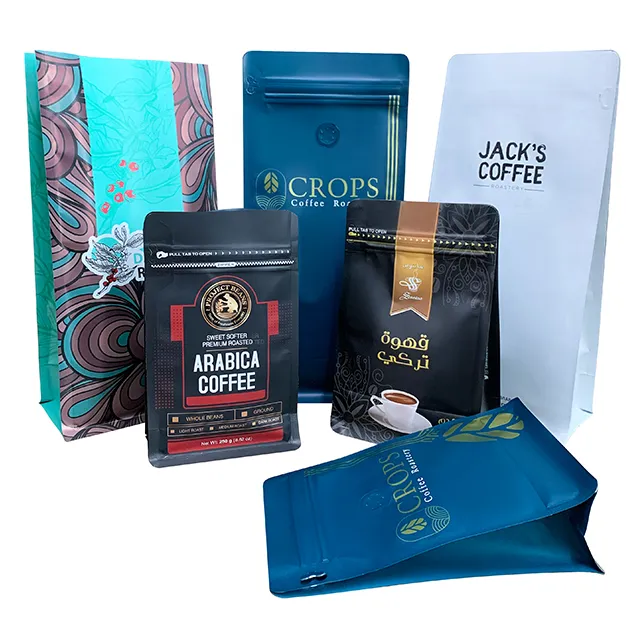
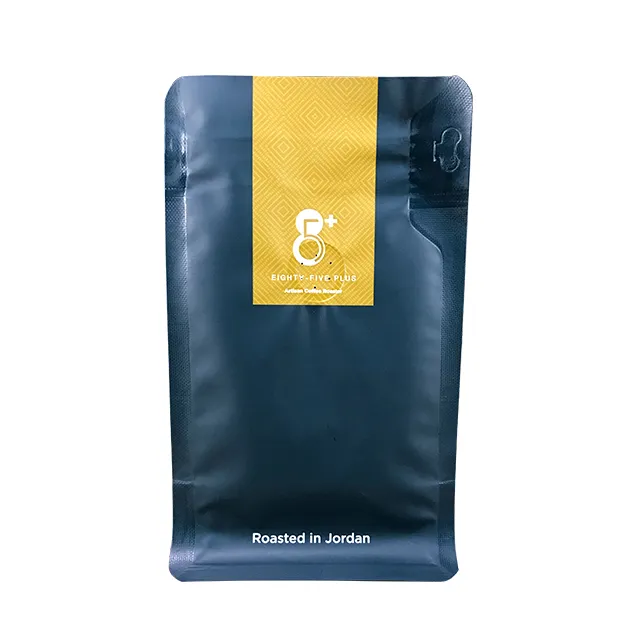
When you look at a fresh bag of coffee bags up close, you’ll most likely notice a small, circular valve on the outside of the bag. This tiny opening is perhaps the most significant detail in coffee package design. Many consumers wonder: Why is there a “valve” on a bag of coffee? What is it for? In fact, this small detail is the most important factor for coffee freshness. For coffee companies and packaging suppliers, understanding the function of valves not only increases product quality but also has a direct influence on consumer experience and brand image. This article will discuss the reasons behind the application of valves in coffee bags, how they work, and their influence on coffee quality, logistics, and pack design.
Why Does Freshly Roasted Coffee Need to “Breathe”?
After roasting, coffee beans typically release a gas called carbon dioxide (CO₂). Statistical research indicates that newly roasted coffee beans can release about 2–6 liters of gas in 24 hours, and the cycle can continue for seven days or more.
When coffee beans are filled directly into coffee bags with no valve, pressure within will constantly build up, eventually causing the bag to swell or even rupture. Moreover, the trapped gas will affect the balance of the coffee aroma and flavor.
In order to maintain the freshness of the coffee and ensure safe packaging, coffee bags are produced with a one-way degassing valve by manufacturers. This valve allows for the escape of carbon dioxide from the bag while preventing the ingress of external air, hence designing a gas-tight environment within the bag.
Simply put, the valve allows the coffee beans to “breathe” while protecting them against external oxygen and humidity.
This is why almost all high-end roasting companies have a degassing valve in their coffee packages.
How the Valve Works: A Small Design, a Big Impact
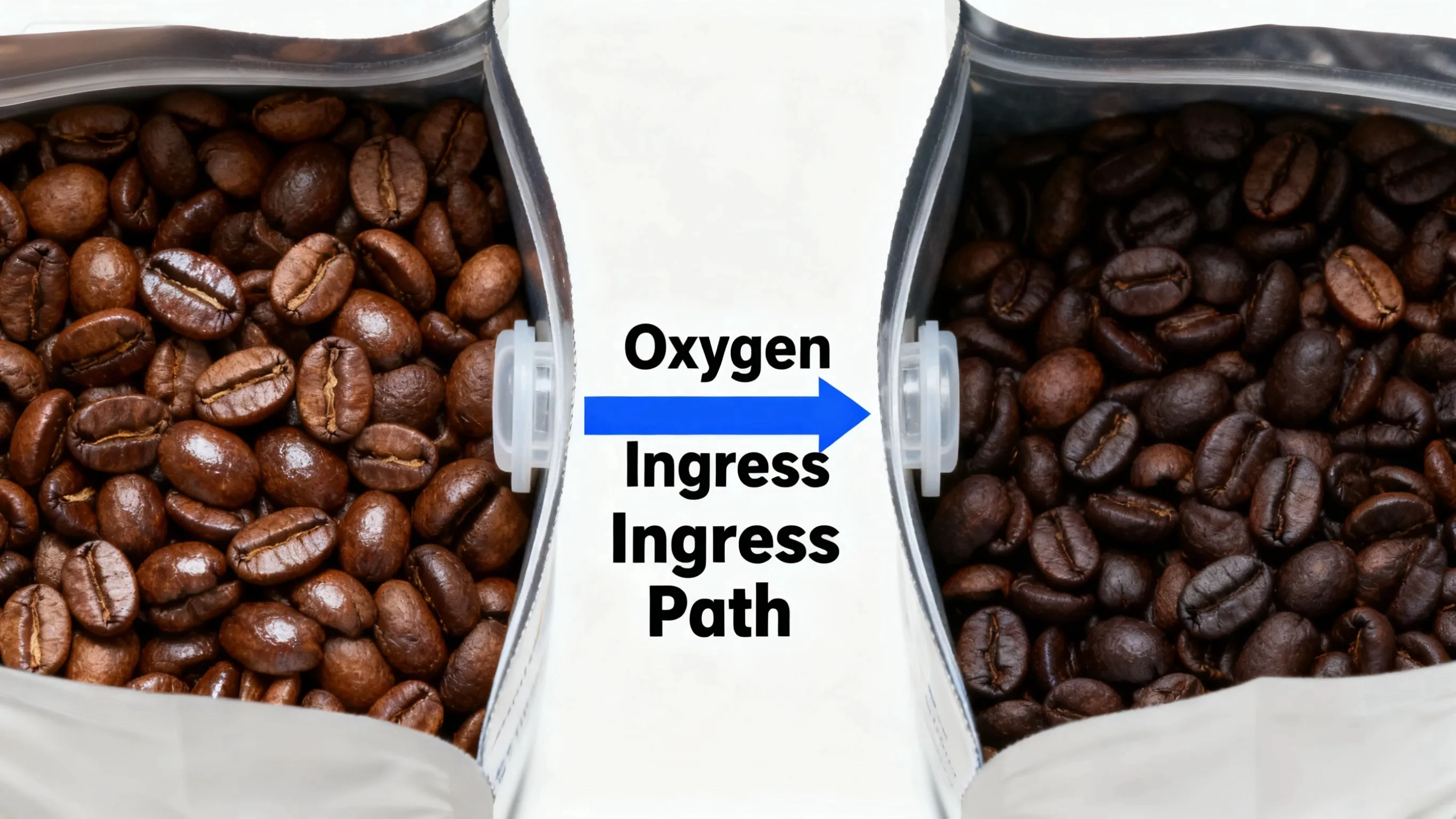
The one-way valve law seems simple, but it is marked by precise engineering. The valve typically consists of three layers: a cover on the outside, an elastic diaphragm, and a micro-filter pad. When pressure inside the bag of coffee is high, the diaphragm is pushed out by the gas to allow carbon dioxide to escape. When external pressure attempts to enter, the diaphragm automatically closes so that air does not come back in.
The advantages of this design are:
- Anti-oxidation: Oxygen is the archenemy of coffee scent. The valve prevents oxygen from entering and thus does not allow the oils to oxidize and become spoiled.
- Maintaining Aroma: While venting air, the valve preserves the original aroma of the coffee beans.
- Preventing Package Rupture: Prevents bursting or swelling of the coffee bags by means of excessive internal gas.
- Shelf Life Extension: Unlike valveless packaging, valved coffee bags can extend shelf life by over 30%.
As an example, for producing bespoke coffee bags for European buyers, Lebei utilized a food-grade PP valve configuration. Its airtightness, which is third-party tested, has a sealing rate of 99.8%, significantly improving preservation of the coffee.
Various Coffee Bag Valves and Applications
Valves for coffee bags found in stores are not all the same; each unique design accommodates a unique packaging size and market need. The following are some of the most common ones:
External Valve
It is mounted on the exterior surface of the bag and is used on medium- to big-sized packages. It has the advantages of being easy to replace and inspect, making it highly suitable for large-scale manufacturing in roasting facilities.
For example, specialty coffee beans sold in 1kg packs utilize an external valve for convenient degassing.
Internal Valve
Internal valves give a better-looking appearance and are predominantly utilized in small retail coffee bags. As the valve is concealed within the bag, it does not sacrifice the printed design and is largely used by specialty coffee brands.
High-Pressure Valve
This valve is applied to newly roasted coffee beans that release a lot of gas. In the process of production, Lebei adjusts the sensitivity of the valve based on the customer’s roasting level to guarantee pressure stability.
Eco-Friendly Recyclable Valves
With more attention to sustainable packaging, some luxury companies have shifted to using biobased plastic or recyclable plastic to produce valves. Lebei’s biodegradable green coffee bag valves, made of PLA, balance functionality against eco-friendliness and are very well accepted by the European and American markets.
The Influence of Valves on Coffee Flavor and Brand Experience
Valves are not merely a physical feature; they symbolize the quality of the brand. Valved coffee bags will leave consumers with a “fresh, professional, and high-end” impression, which is vital in sustaining brand image.
In regard to flavor retention, research shows that valved coffee bags retain approximately 40% of aroma before opening compared to non-valved bags.
Additionally, valves enable consumers to enjoy the scent without having to open the bag, an important part of the experience of buying coffee.
Several prominent coffee companies, including Blue Bottle and Intelligentsia, value the use of valved packaging. When creating custom brand packaging for customers, Lebei provides various valve variations depending on their positioning within the market. An example includes using a transparent valve for display packaging, whereas a hidden valve is more appropriate for minimalist brands.
From a marketing perspective, valve design might even contribute to a sense of professionalism and ritual. When consumers notice that the coffee in the package maintains its rich aroma before opening, they subconsciously read the brand as taking quality pride, hence repeat purchases.
Installation and Quality Inspection: Critical Details That Determine the Success or Failure of Coffee Bags
Even the better valve is compromised by faulty installation.
Industrial coffee bag manufacturing lines typically employ automatic valve lamination equipment to ensure that all valves meet requirements of adhesive positioning, airtightness, and degassing capability.
Lebei utilizes accurate heat-sealing technology during valve installation, randomly inspecting 20 bags in every 1,000 bags of airtightness to ensure that the valves can sustain at least 0.2 MPa pressure, without leakage or bursting during transit. Valve degassing speeds are also put under test by manufacturers to ensure that air volume per minute is in a stable level under normal pressure, ensuring maximum coffee preservation across every level of roast.
For customers, when ordering custom coffee bags, they must negotiate the model, position, and ventilation parameters of the valve with the manufacturer in such a way that the packaging is functionally and aesthetically consistent with the product’s positioning.
Conclusion
Although the valve is a small feature on coffee bags, it is a vital contributor to coffee quality guarantee, shelf life, and ideal user experience.
It not only demonstrates packaging design professionalism but also demonstrates that a brand is concerned about quality.
Businesses, when they plan coffee packaging, should properly select the valve type based on roast degree, storage time, and market status. They should also work with professional producers to ensure each package promotes the coffee in the best possible manner to consumers.
About Lebei
Lebei is a high-tech flexible packaging plant with experience in manufacturing flexible packaging since 1995. Lebei is dedicated to providing top-quality solutions for coffee bags, food bags, and daily needs bags to customers worldwide.
Apart from its advanced laminating and printing technologies, Lebei also offers wholesale ready-to-ship pouches and customized flexible packaging services to meet different brand requirements.
In the global packaging of coffee, Lebei, with its precision valve technology, sustainable material innovation, and strict quality management systems, has been a long-term cooperation partner of many foreign coffee brands.
Lebei represents a quality, innovative, and professional packaging manufacturing partner.