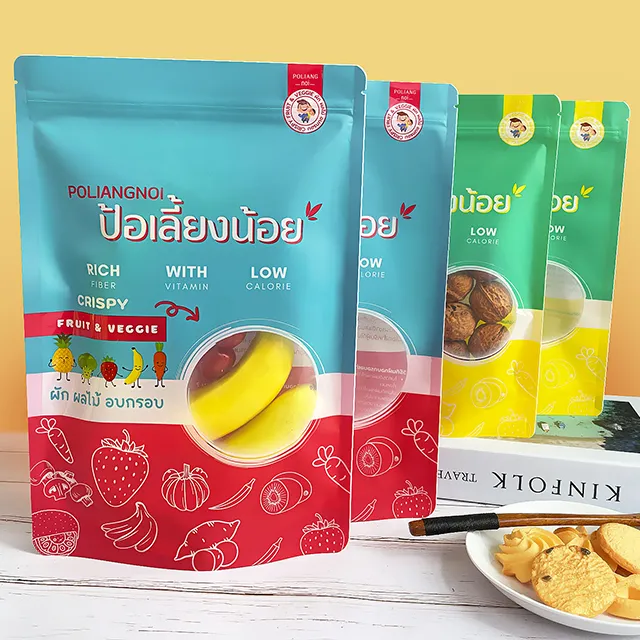
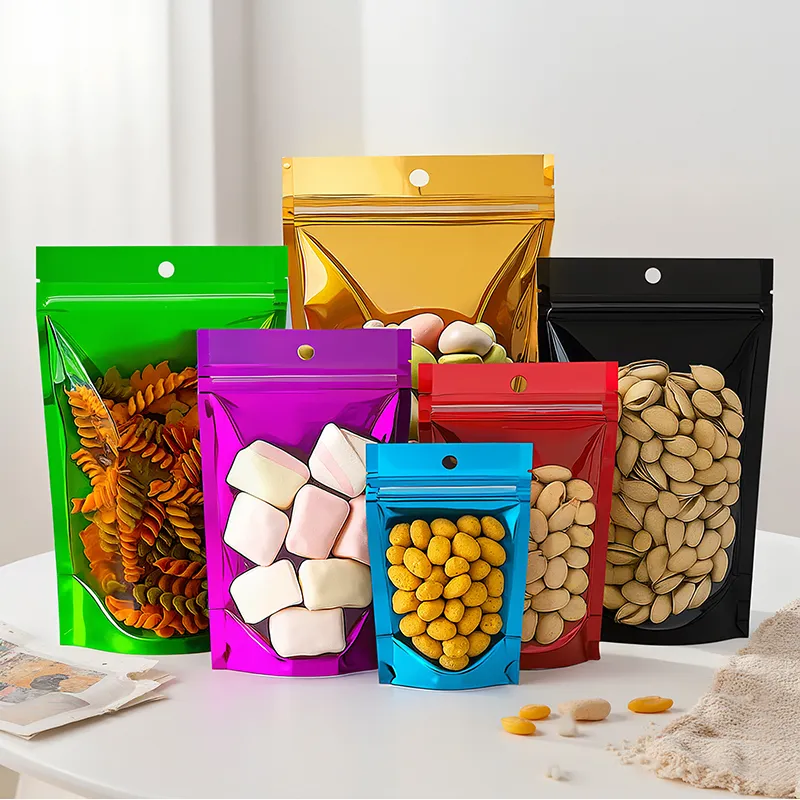
For food brands, distributors, wholesalers, and packaging buyers, ordering bulk packaging bags is not simply about purchasing a large quantity at a lower unit price. It also involves balancing inventory levels, managing cash flow, estimating product demand, and ensuring a reliable supply of packaging materials.
Ordering too many bags can lead to excess inventory and unnecessary storage costs. Ordering too few may cause stock shortages, delayed production, or missed sales opportunities. For businesses that use flexible packaging regularly, having a well-planned wholesale purchasing strategy is essential.
This guide explains how to plan bulk packaging orders, manage packaging inventory, understand MOQ requirements, and schedule reorders. It also highlights what to look for when working with a wholesale packaging bags supplier.
Why Bulk Packaging Orders Require Careful Planning

Buying packaging bags in bulk can help businesses maintain a stable supply and simplify their purchasing process. However, larger orders also require more careful inventory management.
Before placing a wholesale order, businesses should consider several operational factors.
Maintain a Consistent Packaging Supply
For manufacturers and food brands, packaging is an essential part of daily operations. A shortage of packaging bags can interrupt filling, sealing, and shipping processes.
Planning bulk packaging orders in advance helps businesses maintain sufficient stock and reduce the risk of unexpected shortages.
Control Purchasing and Storage Costs
Bulk purchasing may reduce the unit cost of packaging, but a large order also ties up working capital. Businesses need to balance purchasing quantities against actual consumption and available storage space.
The goal is not to order the largest possible quantity. It is to purchase enough packaging bags to support business operations without creating excessive inventory.
Improve Purchasing Efficiency
Working with a reliable packaging bags supplier can simplify repeat orders, reduce unnecessary sourcing work, and help purchasing teams maintain consistent specifications.
For wholesalers and distributors handling multiple customers, an organized ordering schedule also makes it easier to manage different packaging products.
How to Estimate the Right Quantity of Bulk Packaging Bags
One of the most important steps in bulk packaging purchasing is estimating how many bags a business actually needs.
An effective estimate should consider product demand, packaging consumption, inventory on hand, and the expected replenishment period.
Calculate Monthly Packaging Consumption
Start by reviewing how many packaging bags are used each month.
For example, if a food brand packs 8,000 products per month and each product requires one pouch, its monthly packaging consumption is approximately 8,000 bags.
For businesses handling multiple products, calculate consumption separately for each packaging size and style.
This helps purchasing teams avoid ordering the same quantity for products with very different sales volumes.
Consider Seasonal Demand Changes
Packaging demand may increase during holidays, promotional campaigns, peak sales seasons, or new product launches.
Businesses should review historical sales data and upcoming sales plans before placing bulk orders.
For example, a snack distributor preparing for a seasonal promotion may need additional stand up pouches or flat bottom bags several weeks before the campaign begins.
Planning for these changes helps prevent stock shortages during periods of higher demand.
Check Existing Inventory Before Ordering
Before purchasing new packaging bags, review the quantity of usable inventory already available.
A simple calculation can help:
Required Order Quantity = Estimated Packaging Demand + Safety Stock − Available Inventory
For example, if a business expects to use 20,000 bags before its next replenishment, wants to maintain 3,000 bags as safety stock, and currently has 5,000 usable bags, the estimated order quantity is 18,000 bags.
This calculation provides a starting point. Actual order quantities should also account for supplier lead times, MOQ requirements, and changes in demand.
Understand MOQ When Buying Wholesale Packaging Bags
Minimum Order Quantity (MOQ) is an important factor when purchasing bulk packaging bags.
Different suppliers may have different MOQ requirements depending on product type, stock availability, production arrangements, and packaging specifications.
MOQ for Ready-to-Ship Packaging Bags

Ready-to-ship packaging bags are often a practical option for businesses that need packaging without waiting for a custom production process.
For wholesalers, distributors, and small to medium-sized brands, stock packaging can offer more flexibility when testing new products or replenishing existing inventory.
Some suppliers also offer multiple bag styles and sizes from existing stock, allowing buyers to select suitable packaging without commissioning a new design.
MOQ for Custom Packaging Orders

Custom printed packaging usually involves additional production steps, such as artwork preparation, printing, cylinder or plate arrangements, and manufacturing scheduling.
These requirements can result in higher minimum order quantities and longer lead times.
Businesses should compare the costs and operational requirements of stock and custom packaging before deciding which option fits their purchasing plan.
For buyers who prioritize quick replenishment and manageable order quantities, wholesale ready-to-ship pouches may be worth considering.
How to Manage Packaging Inventory Efficiently
Ordering bulk packaging bags is only part of the purchasing process. Businesses also need a practical inventory management system to prevent overstocking and unexpected shortages.
Organize Packaging by Product Type and Size
If a business uses several packaging styles, keeping all inventory together can make stock management difficult.
A more effective approach is to organize packaging bags by:
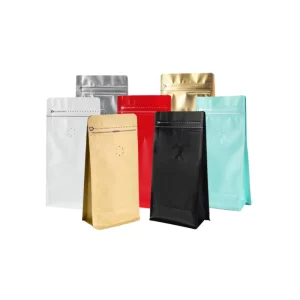
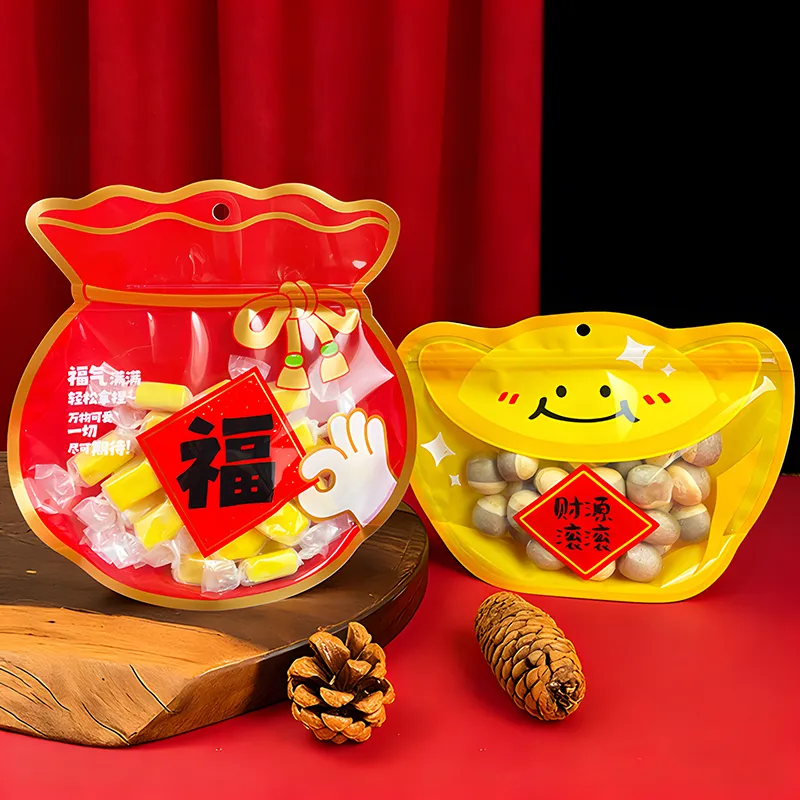
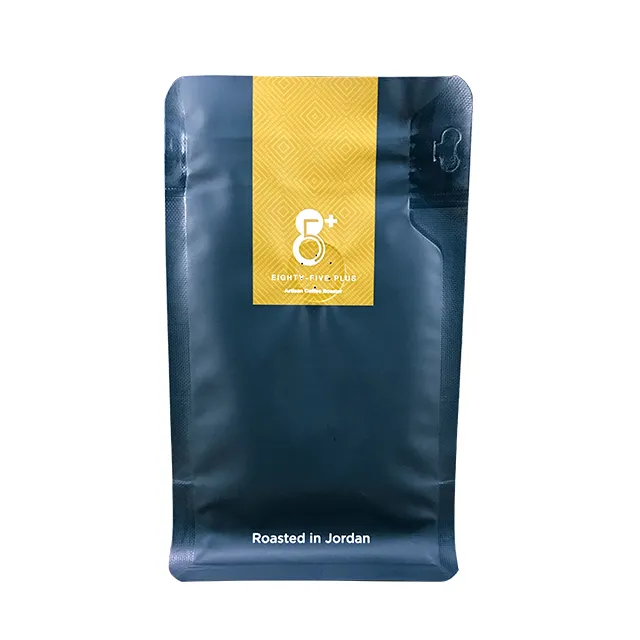
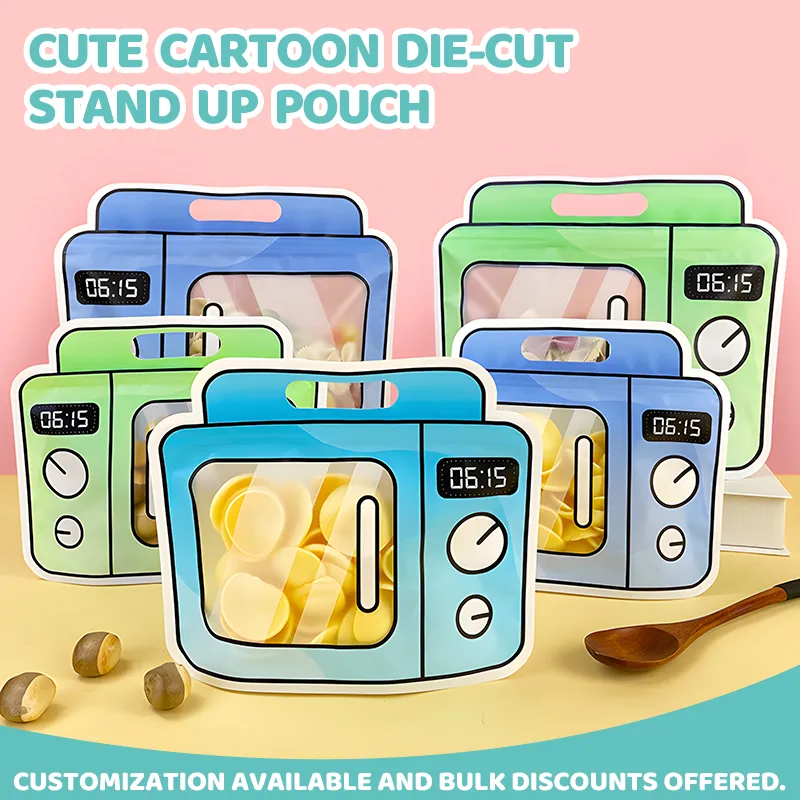
- Bag style, such as stand up pouches, flat bottom bags, and flat pouches
- Dimensions and capacity
- Material structure
- Closure type, such as zipper or heat-sealable opening
- Intended product application
Clear product labels and inventory records help warehouse teams identify the correct packaging quickly.
Set a Safety Stock Level
Safety stock is the additional inventory kept to reduce the risk of running out of packaging.
The appropriate quantity depends on monthly consumption, demand fluctuations, and supplier lead time.
Businesses with unpredictable sales or longer replenishment periods may need a larger safety stock. Companies with stable demand and reliable access to ready-to-ship packaging may be able to maintain a smaller reserve.
Follow a First-In, First-Out Inventory Method
The First-In, First-Out (FIFO) method means using older inventory before newer stock.
This approach helps businesses manage packaging inventory more systematically, especially when handling multiple deliveries and storage batches.
Packaging should also be stored in a clean, dry environment and protected from excessive moisture, dust, direct sunlight, and physical damage.
When Should Businesses Reorder Bulk Packaging Bags?
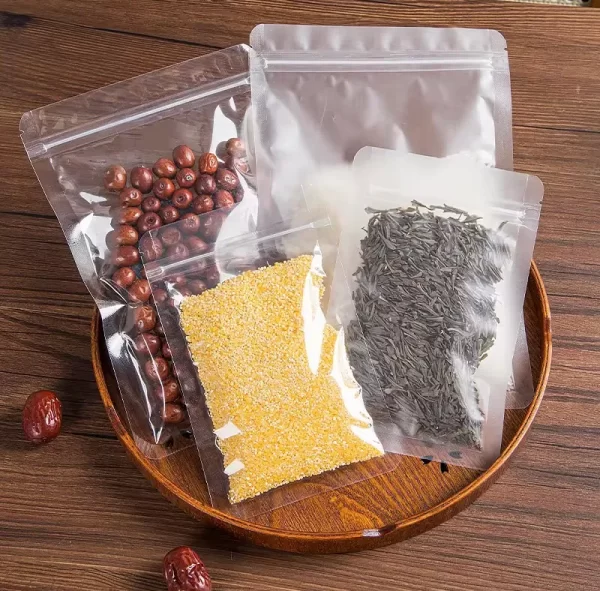
Reordering too late can interrupt operations, while reordering too early may increase inventory costs.
A reorder point provides a practical way to decide when to purchase additional packaging.
A basic formula is:
Reorder Point = Average Daily Usage × Supplier Lead Time + Safety Stock
For example, a business uses 400 bags per day. Its expected replenishment period is 7 days, and it maintains 2,000 bags as safety stock.
Its reorder point would be:
400 × 7 + 2,000 = 4,800 bags.
When available inventory reaches approximately 4,800 bags, the purchasing team should consider placing a new order.
The actual reorder point should be adjusted according to supplier availability, seasonal demand, and the reliability of delivery schedules.
Plan Around Supplier Lead Times
Not all packaging suppliers have the same delivery arrangements.
Custom packaging may require additional production time, while ready-to-ship packaging can often be dispatched more quickly when the required products are available in stock.
Businesses should confirm stock availability, order processing time, and shipping arrangements before setting their reorder schedule.
For buyers who need frequent replenishment, working with a supplier that maintains a broad range of ready-stock packaging bags can make inventory planning easier.
What to Look for in a Wholesale Packaging Bags Supplier
A suitable wholesale packaging bags supplier should support both the purchasing requirements and ongoing inventory needs of a business.
Instead of focusing only on unit price, buyers should evaluate several aspects of supplier reliability.
Product Range and Stock Availability
A supplier with multiple packaging styles, sizes, and material options can help businesses source different packaging products through one purchasing channel.
For buyers who need flexible purchasing arrangements, it is also important to confirm which products are available from existing inventory.
Consistent Product Specifications
Packaging bags should maintain consistent dimensions, material structures, sealing performance, and other agreed specifications.
Buyers should confirm product details before placing repeat orders to reduce the risk of receiving packaging that differs from previous batches.
MOQ and Ordering Flexibility
MOQ requirements directly affect purchasing budgets and inventory planning.
A supplier offering suitable stock options and practical wholesale quantities may help businesses manage purchasing more efficiently.
Dispatch and Delivery Arrangements
Fast order processing is especially important for businesses that need regular packaging replenishment.
Before ordering, buyers should confirm whether the products are in stock, how quickly orders can be prepared, and what shipping options are available.
Communication and Order Support
Clear communication helps prevent misunderstandings about product specifications, quantities, stock availability, and delivery schedules.
A responsive packaging supplier can also make repeat purchasing easier by helping buyers confirm previous order details and coordinate new requirements.
Why Ready-to-Ship Packaging Bags Can Simplify Bulk Purchasing


For businesses that do not require fully customized packaging for every product, ready-to-ship bags can be an efficient purchasing option.
Unlike custom printed packaging, stock packaging bags are produced in advance and are available for wholesale orders when inventory is sufficient.
This offers several practical advantages:
- Shorter purchasing cycles: Buyers can select available packaging without starting a new custom production process.
- More manageable order planning: Existing stock options can help businesses replenish commonly used packaging.
- Lower initial commitment: Stock packaging may provide a practical alternative for businesses that want to avoid large custom production runs.
- Faster product launches: Brands can use available packaging styles to prepare products without waiting for new printed packaging.
- Simpler repeat purchasing: Standardized stock products can make it easier to maintain consistent packaging specifications across orders.
For distributors, food brands, and wholesalers, ready-to-ship packaging can be particularly useful when speed, purchasing flexibility, and inventory availability are important.
However, buyers should always confirm the available sizes, quantities, and specifications before placing an order.
FAQ About Bulk Packaging Bags
1. What is the best way to calculate bulk packaging bag quantities?
Start with average monthly packaging consumption, then consider seasonal demand, available inventory, safety stock, and supplier lead time. This helps businesses estimate order quantities based on actual operational needs.
2. What is MOQ in wholesale packaging bags?
MOQ stands for Minimum Order Quantity. It is the minimum number of packaging bags a supplier requires for an order. MOQ may vary depending on whether the bags are ready-to-ship stock products or custom-made packaging.
3. Are ready-to-ship packaging bags suitable for bulk orders?
Yes. Ready-to-ship packaging bags can be suitable for bulk purchasing when the required styles and quantities are available in stock. They can help businesses shorten purchasing cycles and simplify repeat orders.
4. How can businesses avoid overstocking packaging bags?
Businesses should monitor actual consumption, review existing inventory before ordering, and adjust purchasing quantities according to demand forecasts. Setting reorder points and safety stock levels can also help prevent unnecessary inventory accumulation.
5. What should buyers compare when choosing a bulk packaging bags supplier?
Buyers should evaluate product availability, specifications, MOQ, pricing, dispatch arrangements, delivery reliability, and communication. A supplier that can support repeat wholesale orders is often more valuable than one offering only a low initial price.
Conclusion
Managing bulk packaging bags effectively requires more than placing large orders. Businesses need to estimate packaging consumption, understand MOQ requirements, monitor inventory, and establish a practical replenishment schedule.
For wholesalers, distributors, and food brands, working with a reliable wholesale packaging bags supplier can help maintain a consistent packaging supply and simplify repeat purchasing.
Ready-to-ship packaging bags are also worth considering for businesses that prioritize shorter purchasing cycles and flexible inventory management.
About Lebei Packaging
Lebei Packaging specializes in wholesale flexible packaging bags, with a focus on ready-to-ship packaging solutions for food brands, distributors, wholesalers, and other business buyers.
With a wide selection of stock packaging bags, including stand up pouches, flat bottom bags, flat pouches, and other flexible packaging styles, Lebei helps businesses source practical packaging options for different product applications.
For wholesale inquiries, product availability, or bulk order details, contact Lebei Packaging to discuss suitable packaging solutions for your business.