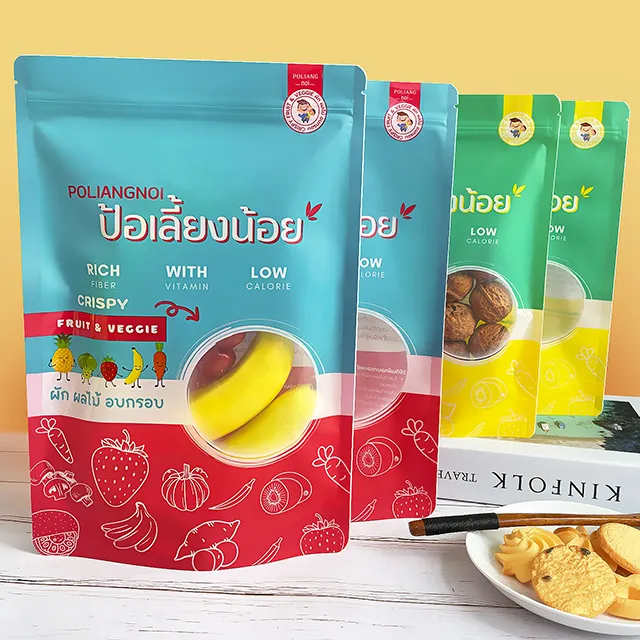
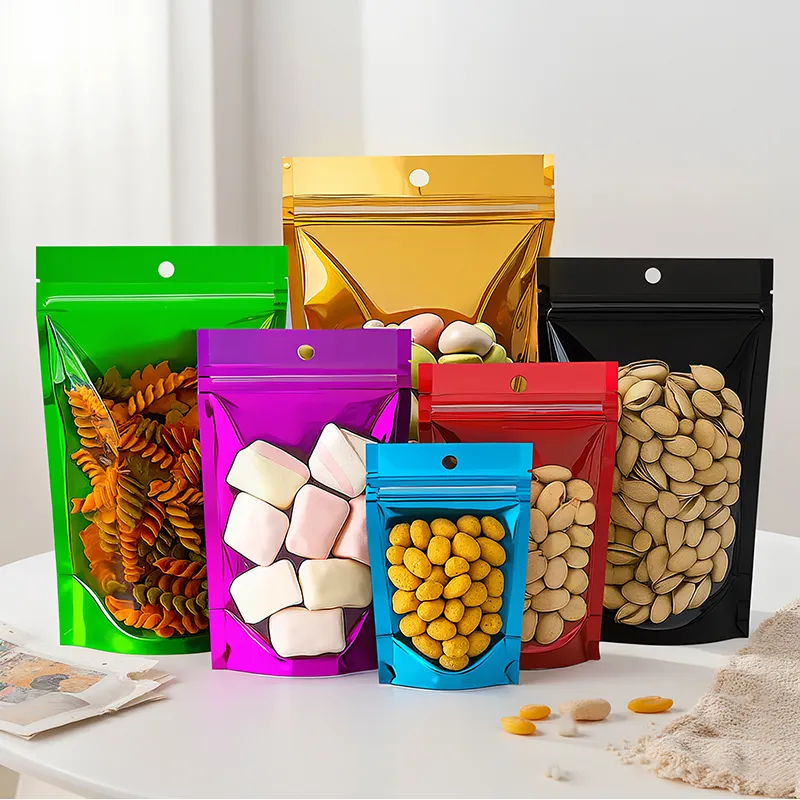
In today’s fast-paced supply chain and competitive retail environment, products are exposed to external factors such as humidity, oxygen, and light during manufacturing, storage, transportation, and shelf display. Without proper protection, these factors can negatively affect product quality and shelf life.
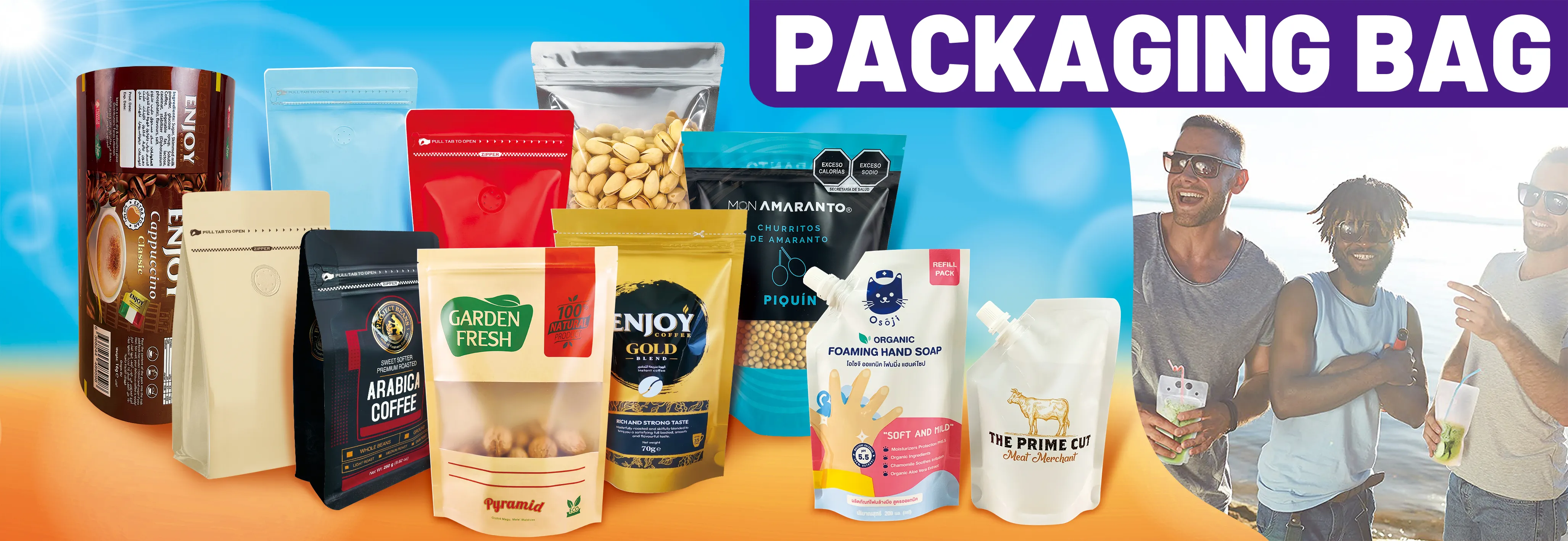
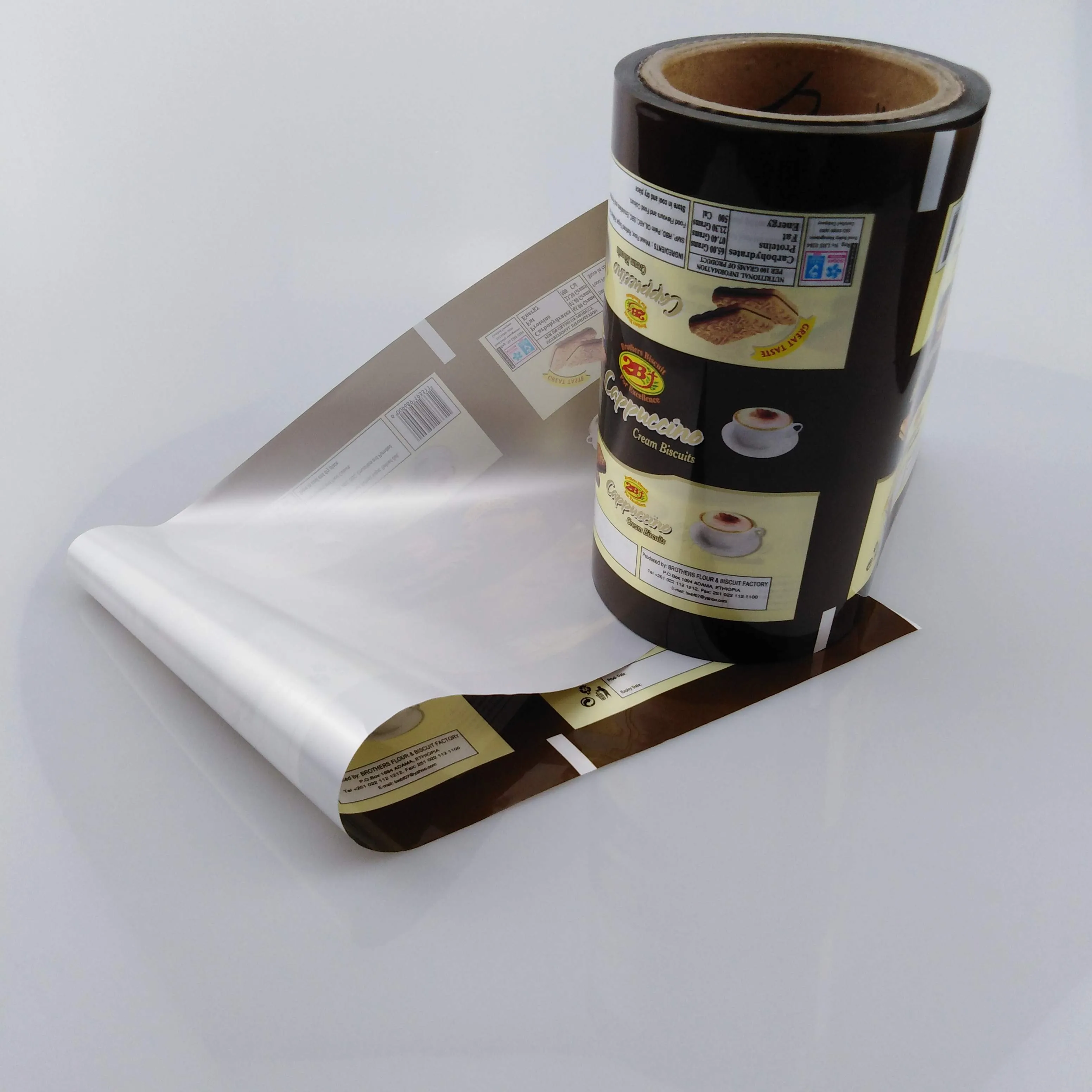
This is where moisture barrier packaging plays an essential role. Among various packaging solutions, metallized flexible packaging—such as stand-up pouches, eight-side-seal bags, and roll films—is widely recognized for its outstanding barrier performance. Moisture barrier packaging is commonly used in industries including coffee, food, snacks, pet treats, cosmetics, and electronics.
This article explains how moisture barrier packaging protects products through three key aspects: sealing, moisture resistance, and oxidation prevention.
Sealing: the foundation of moisture barrier packaging
A secure seal is the first and most important step in moisture barrier packaging. Proper sealing prevents air, moisture, and contaminants from entering the package and helps maintain a stable internal environment.
Why sealing matters:
- Prevents dust, bacteria, and odor contamination
- Reduces air exchange and slows product deterioration
- Enhances the overall effectiveness of moisture barrier packaging
Advantages of metallized packaging:
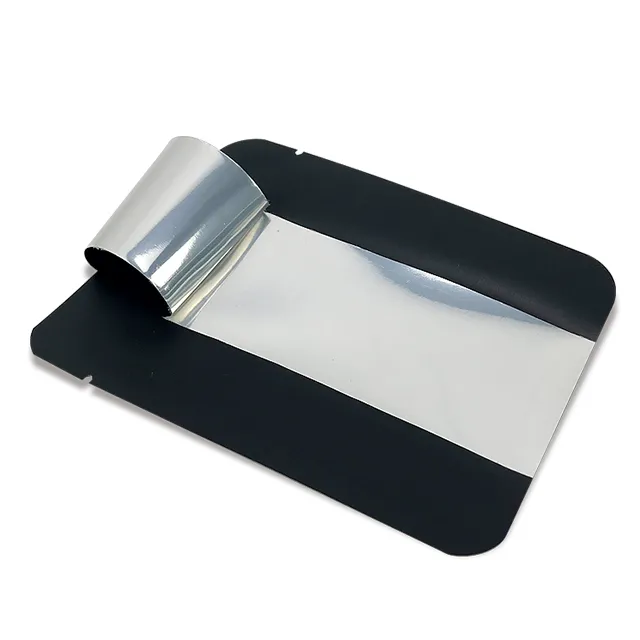
Metallized structures such as VMPET/PE and PET/VMPET/CPP offer reliable sealing performance along with:
- High heat-seal strength
- Excellent puncture and abrasion resistance
- Compatibility with automatic filling machines and high-speed roll film packaging
These properties make metallized moisture barrier packaging ideal for coffee beans, tea, spices, powders, and other freshness-sensitive products.
Moisture resistance: protecting freshness and product stability
Moisture is one of the primary causes of spoilage, clumping, texture loss, and nutrient degradation. Choosing effective moisture barrier packaging is essential for protecting product integrity.
Common moisture-control methods include:
- Selecting high moisture-barrier materials
- Using laminated pouch structures
- Adding desiccant packets when necessary
Why metallized films perform well:
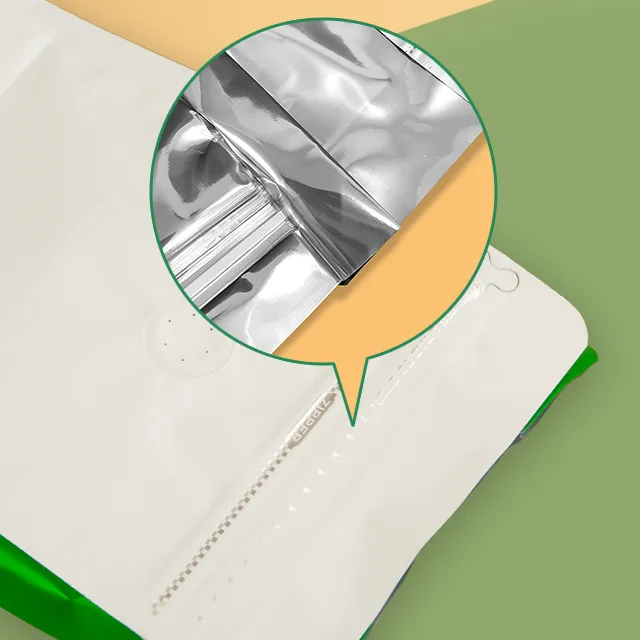
Metallized films provide a very low water vapor transmission rate (WVTR), making them a highly reliable moisture barrier packaging solution.
Key benefits include:
- Strong moisture protection compared to PE, PP, or clear PET
- Stable barrier performance in humid environments
- Prevention of powder clumping
- Maintains crispness and freshness in dry foods
For coffee products, moisture barrier packaging helps preserve aroma and flavor by blocking environmental humidity.
Oxidation prevention: extending shelf life
Oxygen exposure can lead to flavor loss, discoloration, and reduced nutritional value, especially in products with higher fat content such as nuts and coffee.
Common oxidation-control measures:
- High oxygen-barrier materials
- Nitrogen flushing
- One-way degassing valves
How metallized packaging helps:
Metallized films offer a very low oxygen transmission rate (OTR), which significantly slows oxidation. As a result, moisture barrier packaging made with metallized films helps:
- Extend product shelf life
- Preserve taste, aroma, and color
- Protect coffee, nuts, snacks, spices, and pet food
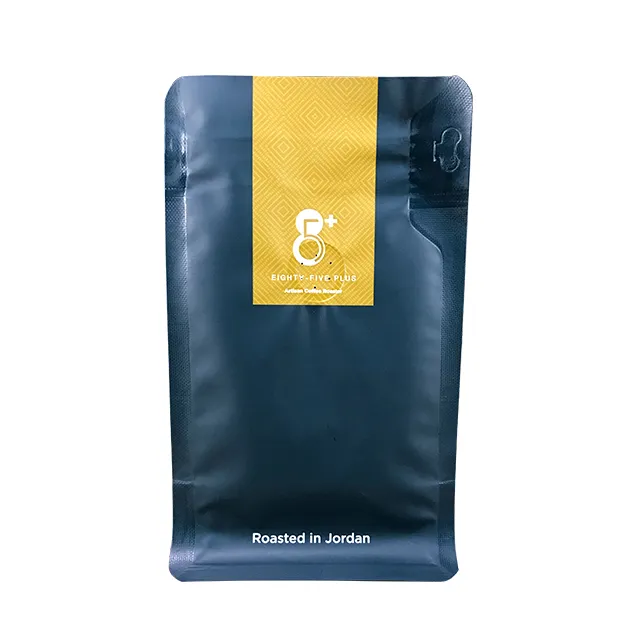
Many coffee roasters choose metallized moisture barrier packaging with one-way valves to release carbon dioxide while preventing oxygen from entering the package.
Why choose metallized moisture barrier packaging?
Metallized moisture barrier packaging combines strong barrier protection with lightweight structure and design flexibility, making it a cost-effective solution for many industries.
Key advantages include:
- Excellent protection against moisture, oxygen, and light
- Lightweight and cost-efficient
- Customizable multi-layer structures such as PET/VMPET/PE and MOPP/VMPET/CPP
- Strong mechanical durability and sealing strength
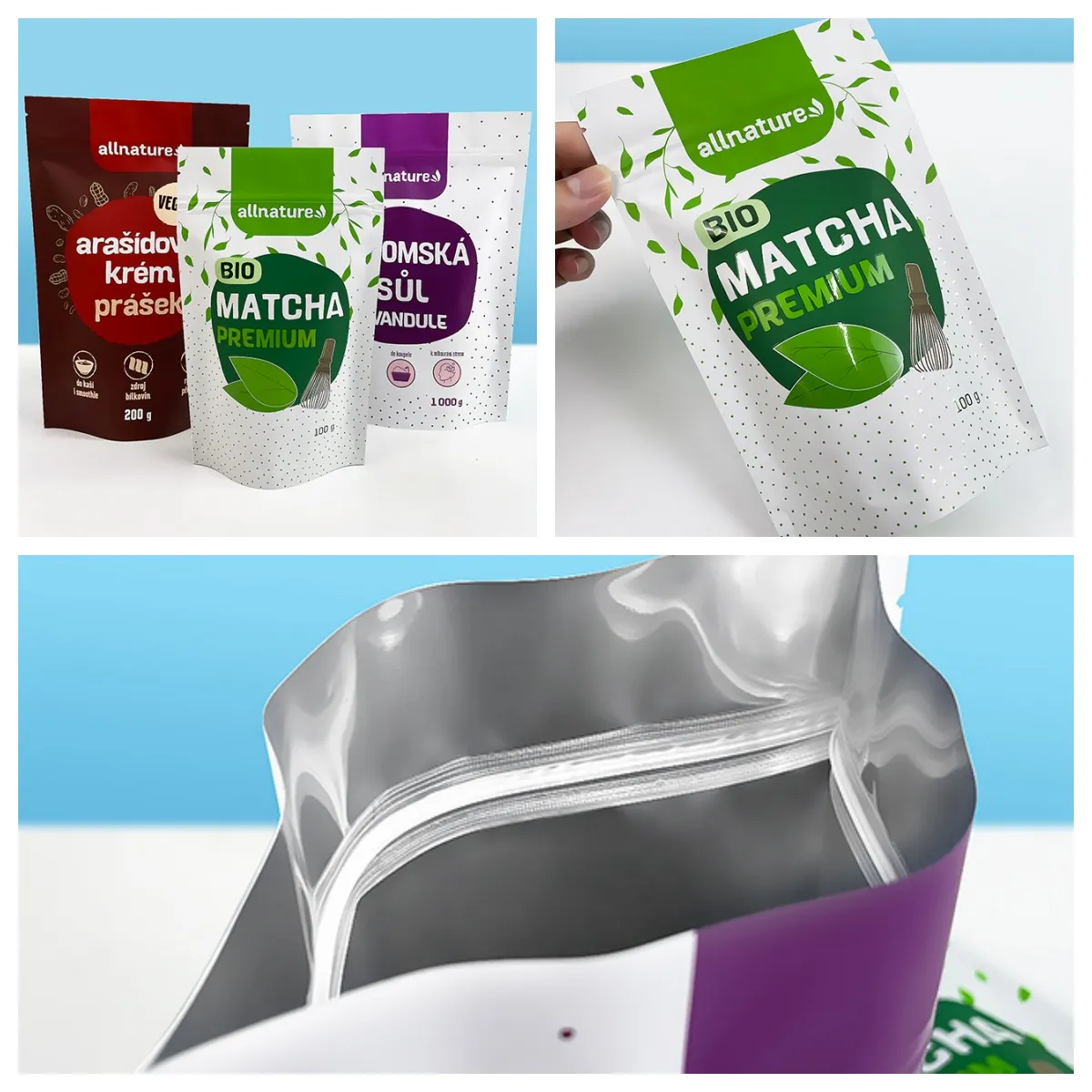
- High-quality printability for branding
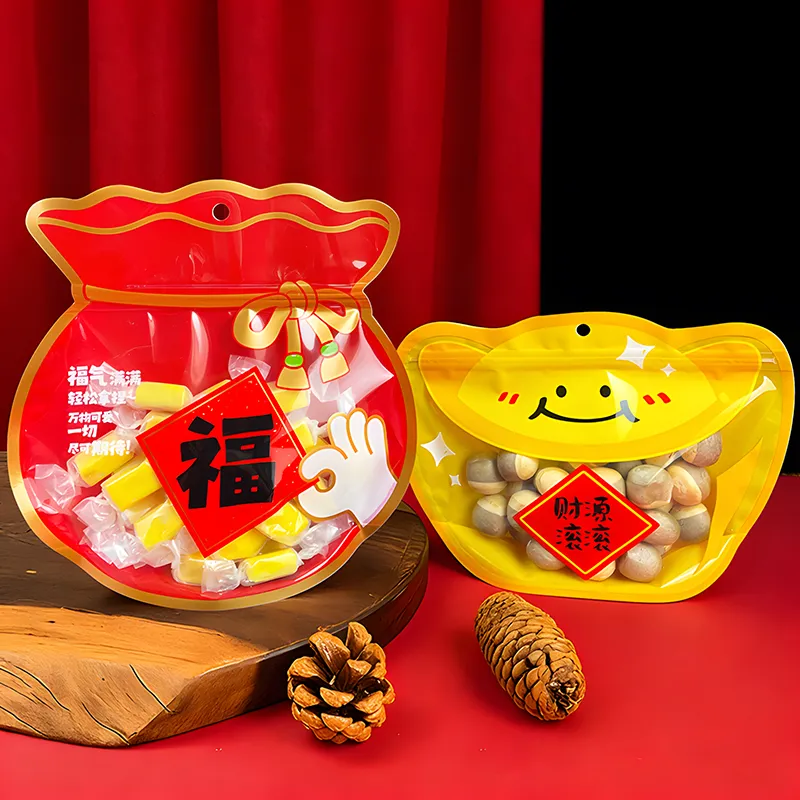
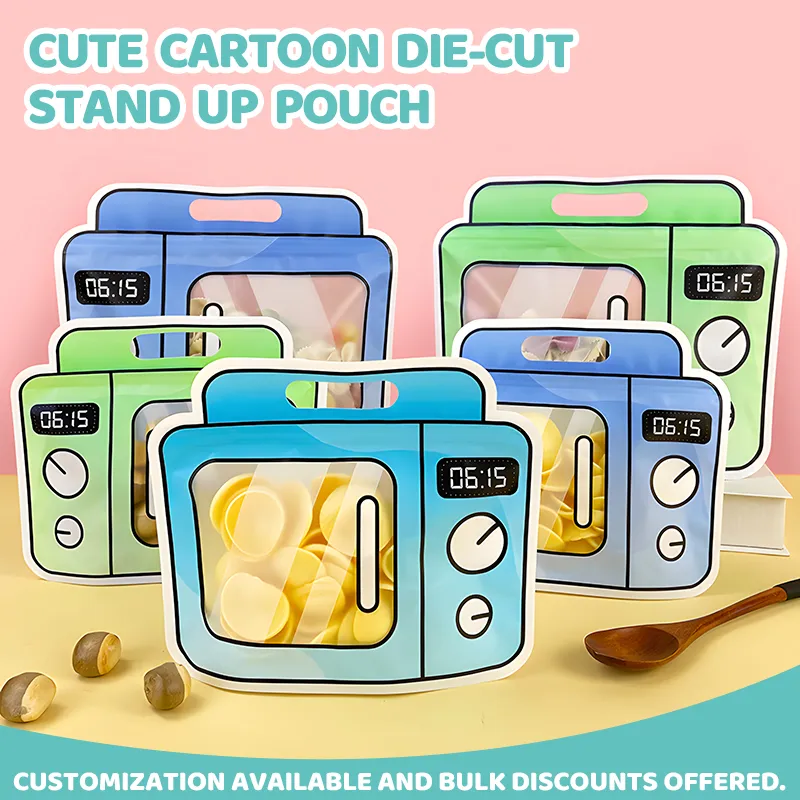
- Suitable for multiple formats, including stand-up pouches, eight-side-seal bags, side-gusset bags, and roll films
Common applications:
- Coffee beans and ground coffee
- Snacks, cookies, and nuts
- Dry foods and spices
- Pet treats and pet food
- Cosmetic powders
- Electronic components requiring moisture protection
Choosing the right barrier level
Different products require different levels of moisture barrier packaging:
| Barrier level | Common structures | Typical applications |
|---|---|---|
| Basic | PET, PE, OPP | Short shelf-life products |
| Medium | PET/PE, PET/CPP | Snacks, grains, dry foods |
| High | PET/VMPET/PE, PET/AL/PE | Coffee, nuts, seasonings |
| Ultra-high | Aluminum foil structures | Long-term storage |
Metallized films strike a balance between high barrier performance and affordability, making them a popular choice for moisture barrier packaging across various industries.
Conclusion
Sealing quality, moisture resistance, and oxidation control are critical to maintaining product quality throughout the supply chain. Moisture barrier packaging provides reliable protection for a diverse range of products, including coffee, food, cosmetics, and industrial components.
With strong barrier performance, flexible packaging formats, and excellent branding potential, metallized moisture barrier packaging is a trusted solution for brands worldwide.
If you are looking for customized moisture barrier packaging solutions, including bags and roll films, Lebei is ready to help with professional recommendations, free samples, and competitive quotations.