Choosing the right flexible packaging is important for food brands, distributors, wholesalers, and packaging buyers. The package needs to protect the product while also fitting the filling process, storage conditions, transportation requirements, and target price.
Mylar food storage bags are widely considered for products that need protection from moisture, oxygen, light, and external exposure. However, choosing the right bag involves more than simply selecting a material called “Mylar.” The film structure, barrier level, closure, size, and sealing method all affect packaging performance.
This guide explains what buyers should know before sourcing Mylar food storage bags, from materials and applications to sealing options and wholesale purchasing.
What Are Mylar Food Storage Bags?
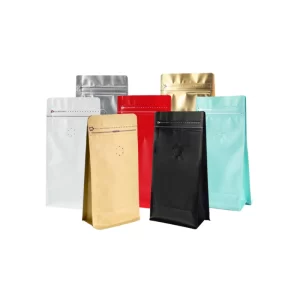
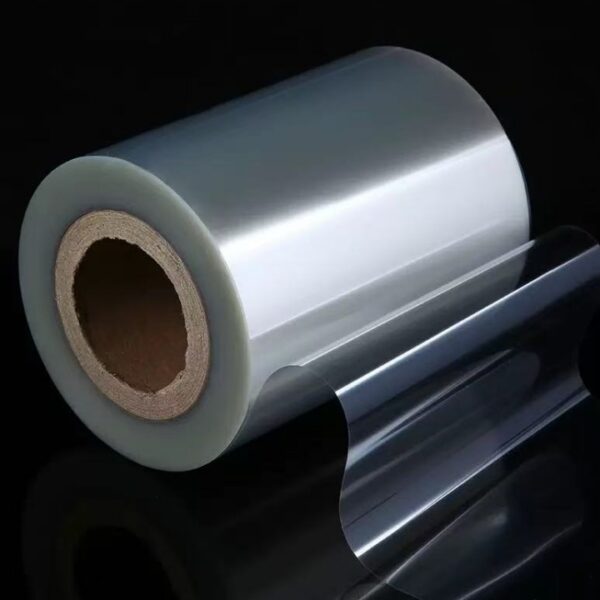
Mylar food storage bags are flexible bags made from laminated film structures that may include polyester-based film combined with other functional layers.
The term “Mylar” is commonly used in the packaging market to describe polyester film, but commercial food packaging is often a multilayer structure rather than a single-film bag. Different layers can provide different functions, such as strength, printability, barrier protection, and heat sealing.
So, when asking what are Mylar bags, packaging buyers should look beyond the name and evaluate the actual material structure.
For commercial food packaging, the most important questions include:
- What products will be packed?
- How sensitive are they to moisture or oxygen?
- What level of barrier protection is required?
- Will the package be heat-sealed or resealable?
- What filling equipment will be used?
- What size and capacity are required?
The answers determine whether a particular bag structure is appropriate.
Why Are Mylar Bags Used for Food Storage?
The main reason businesses choose Mylar bags for food storage is protection.
Food products can lose quality when exposed to moisture, oxygen, light, or environmental conditions during storage and transportation. A properly selected laminated structure can help reduce these risks.
Moisture Protection
Moisture can affect the texture and shelf stability of products such as nuts, dried fruits, snacks, powders, and grains.
A suitable barrier structure can help reduce moisture transmission and protect dry products during storage.
Oxygen Protection
Some food products are sensitive to oxygen, particularly products containing oils or fats. Appropriate high-barrier materials can help reduce oxygen exposure.
For products where oxidation is a concern, buyers should discuss the required oxygen barrier level with their packaging supplier.
Light Protection
Light-sensitive products may benefit from opaque or metallized structures. Depending on the material combination, the packaging can help limit light exposure during transportation and storage.
Aroma Protection
Certain foods need to retain their natural aroma while preventing external odors from affecting the product. The right multilayer structure can provide better aroma protection than basic plastic packaging.
Flexible Packaging Format
Unlike rigid containers, flexible bags can be produced in different sizes and formats. This makes them suitable for different product weights and packaging requirements.
For these reasons, Mylar food storage bags can be suitable for a wide range of dry and shelf-stable food applications.
What Foods Can Be Packed in Mylar Food Storage Bags?
The right packaging should always be selected based on the product.
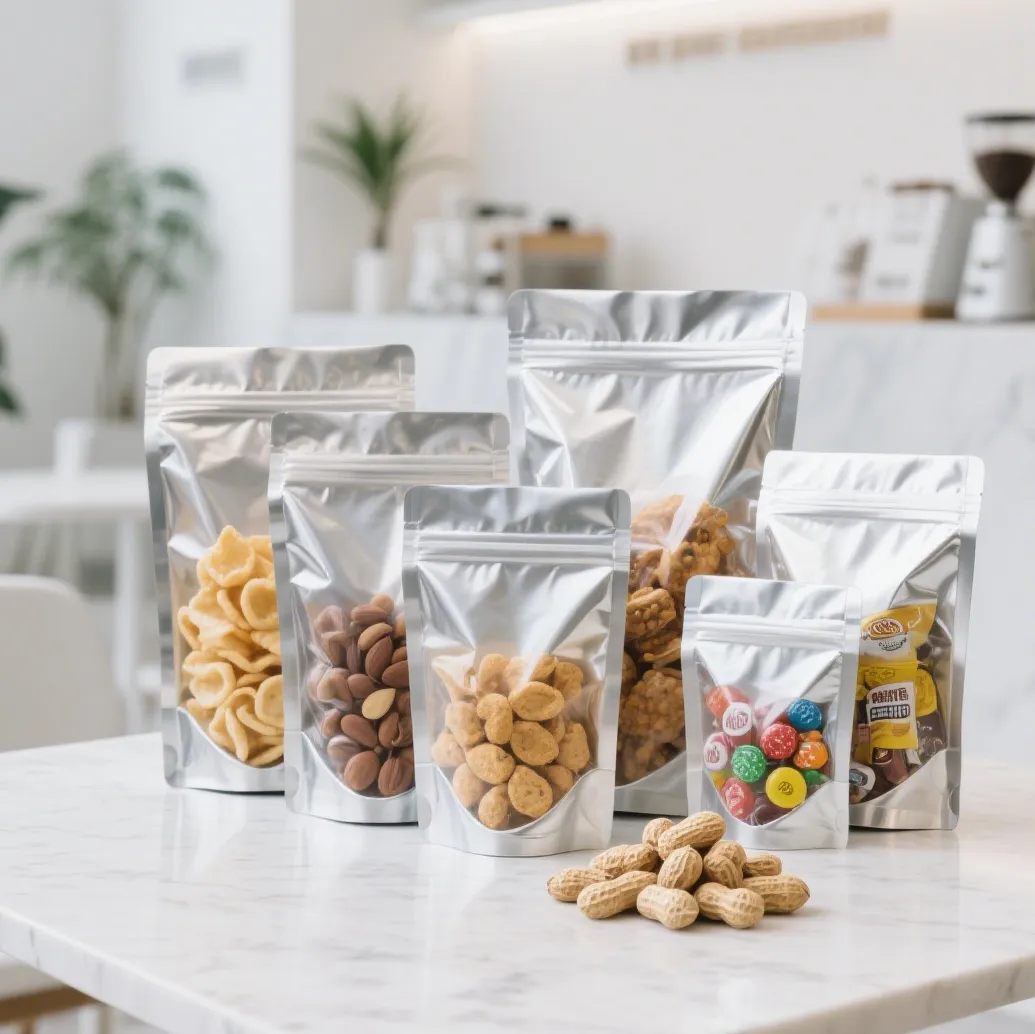
Common applications for Mylar food storage bags include:
- Nuts and seeds
- Dried fruits
- Snacks
- Grains and cereals
- Coffee
- Powdered foods
- Confectionery
- Pet treats
- Other dry and shelf-stable foods
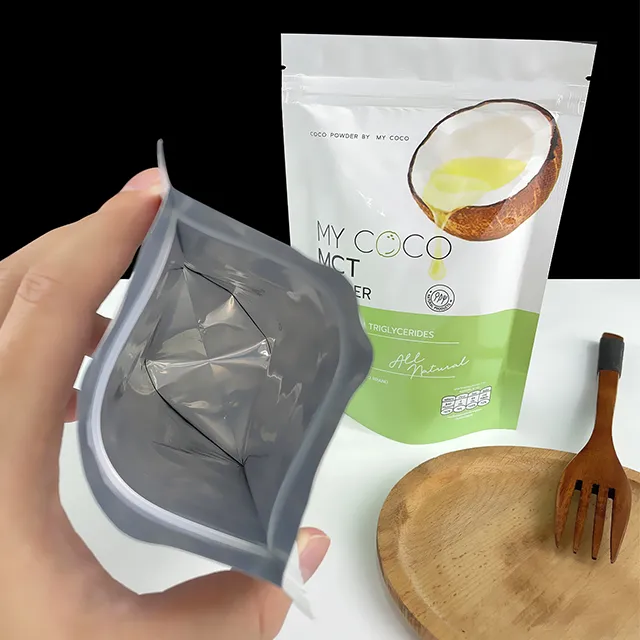
For example, nuts may require strong oxygen and moisture protection because of their oil content. Dried fruits may require effective moisture protection to help maintain texture.
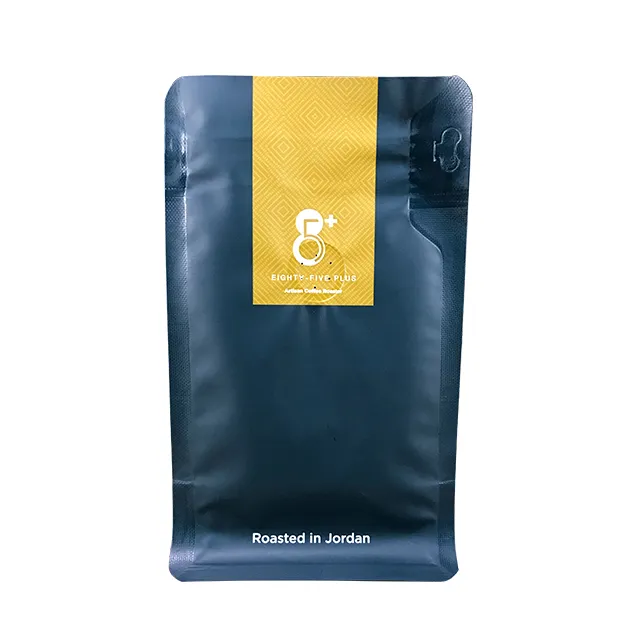
Coffee packaging can involve additional requirements, such as aroma protection and, for some roasted coffee applications, a degassing valve.
This is why packaging buyers should not choose a bag simply because it is described as a “Mylar bag.” The structure needs to match the product.
What Materials Are Used in Mylar Food Bags?
Commercial flexible packaging normally uses multiple film layers. Each layer can perform a different function.
Common materials may include:
PET
PET can provide strength, dimensional stability, and a suitable surface for printing.
VMPET
Metallized PET can provide additional barrier protection while creating an opaque, metallic appearance.
Aluminum Foil
Aluminum foil can offer a strong barrier against moisture, oxygen, and light. It may be considered for products with demanding protection requirements.
PE
PE is commonly used as a sealing layer in laminated packaging structures. The exact grade should be selected according to the intended application and food-contact requirements.
Other Functional Films
Additional films or coatings may be used depending on requirements for sealability, puncture resistance, barrier performance, or packaging equipment compatibility.
The final structure of Mylar food storage bags should therefore be determined according to the product, filling process, expected shelf life, and distribution environment.
How to Choose Mylar Food Storage Bags for Your Products
Choosing the right packaging requires more than comparing prices. B2B buyers should consider several factors before placing an order.
1. Consider the Product Characteristics
Start with the product itself.
Ask whether it is:
- Moisture-sensitive
- Oxygen-sensitive
- Oil-rich
- Light-sensitive
- Powdery
- Sharp-edged
- Aroma-sensitive
These characteristics help determine the appropriate material structure and barrier requirements.
2. Select the Right Bag Size
Bag dimensions should match the filling weight and product volume.
An oversized bag may waste packaging material, while an undersized bag can create filling and sealing problems.
For wholesale buyers, standard sizes can simplify inventory management when several products use similar packaging formats.
3. Evaluate Barrier Requirements
Different products require different levels of protection.
Ask your supplier about:
- Moisture barrier
- Oxygen barrier
- Light barrier
- Aroma protection
- Overall laminate structure
A high-barrier structure may be useful for products that are particularly sensitive to environmental exposure.
4. Choose the Closure Type
The closure should match both the filling process and the end-user experience.
Common options include:
- Heat seal
- Zipper
- Zipper + heat seal
- Other resealable formats
5. Consider Printing and Appearance
For retail food products, packaging appearance can influence shelf presentation.
Buyers may consider:
- Full-surface printing
- Matte or glossy finish
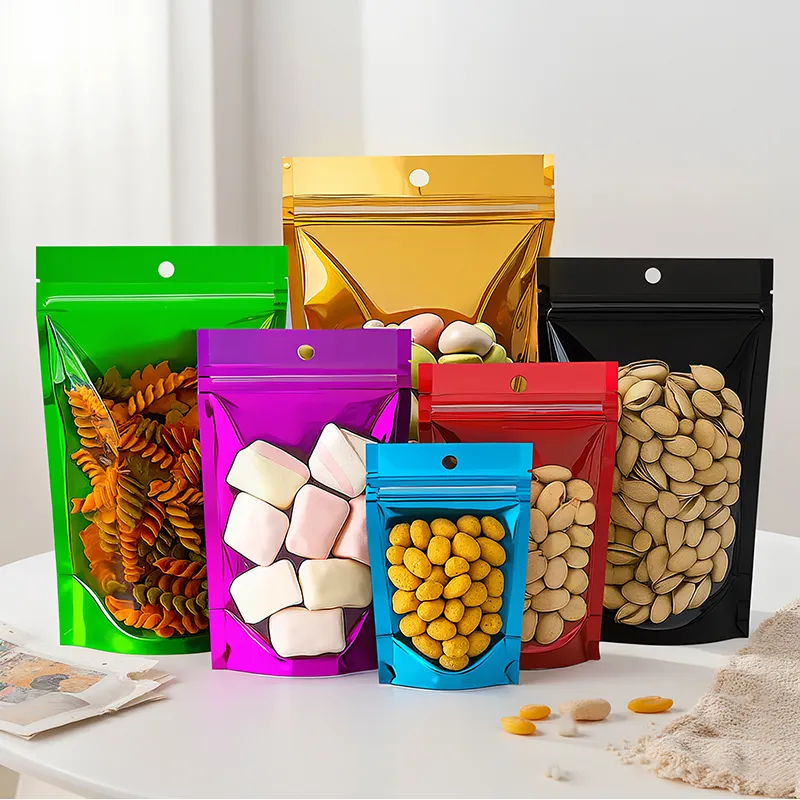
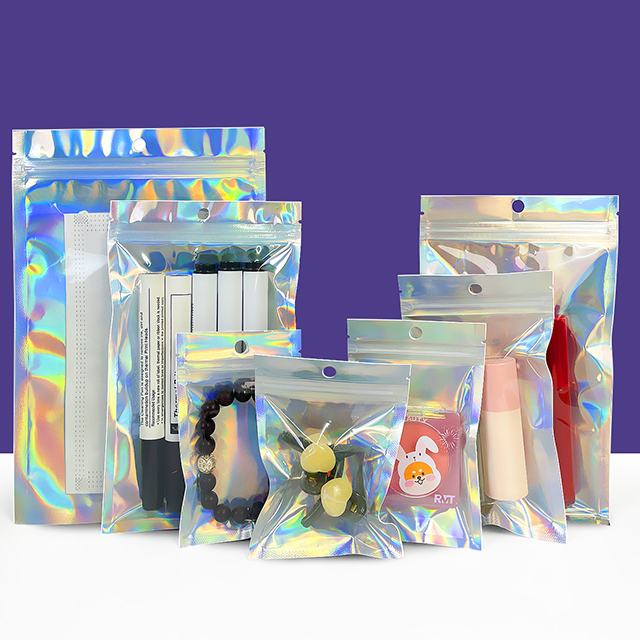
- Metallic appearance
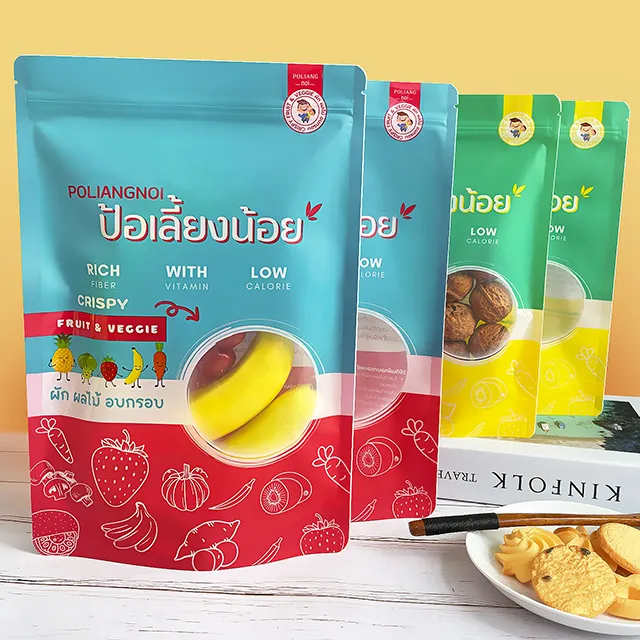
- Transparent windows
- Logo placement
- Product information area
6. Check Compatibility With Filling Equipment
A bag that looks suitable may still cause problems if it does not work efficiently with the filling and sealing equipment.
Before placing a large order, buyers should test samples on the actual production line whenever possible.
Heat Seal Mylar Bags vs. Resealable Mylar Bags
Heat seal Mylar bags are often selected when closure integrity is a priority.
Heat sealing creates a closed package after filling and can provide a secure seal for transportation and storage. The performance depends on the sealing layer, temperature, pressure, dwell time, and equipment settings.
Resealable Mylar bags, on the other hand, are useful when consumers need to open and close the package multiple times.
A zipper can provide convenience, while a heat seal above the zipper can provide an initial sealed closure.
Which option should packaging buyers choose?
It depends on the product and packaging process.
| Feature | Heat-Sealed Bags | Resealable Bags |
|---|---|---|
| Initial closure | Strong | Strong when combined with heat seal |
| Repeated opening | Limited | Convenient |
| Consumer convenience | Moderate | High |
| Suitable for bulk food packaging | Yes | Yes |
| Suitable for retail snacks | Yes | Very suitable |
| Equipment requirements | Heat sealing | Zipper + optional heat sealing |
For many food products, combining a zipper with an initial heat seal can provide both convenience and package protection.
What Makes the Best Mylar Bags for Food Storage?
The best Mylar bags for food storage are not necessarily the thickest or most expensive option.
Instead, the best packaging is the structure that provides the required protection while remaining compatible with the product, filling process, distribution environment, and purchasing target.
B2B buyers should pay attention to:
Food-Grade Materials
Confirm that the selected material structure is suitable for the intended food-contact application.
Consistent Thickness
Consistent film thickness can contribute to more stable sealing and production performance.
Reliable Sealing
A package is only as effective as its weakest seal. Consistent sealing performance is therefore important for commercial food packaging.
Appropriate Barrier
The barrier level should match the product’s sensitivity rather than being selected simply because it is marketed as “high barrier.”
Accurate Dimensions
Consistent bag dimensions help filling equipment operate more efficiently.
Stable Production Quality
For recurring orders, consistent material, printing, dimensions, and sealing performance are important for maintaining the same packaging specifications.
Buying Mylar Bags in Bulk or Wholesale
For brands, distributors, and packaging wholesalers, wholesale Mylar bags can be a practical choice when a consistent packaging supply is required.
Similarly, purchasing bulk Mylar bags can help businesses standardize frequently used sizes and reduce the need for repeated small orders.
However, unit price should not be the only factor considered when buying packaging in larger quantities.
Before placing a wholesale or bulk order, buyers should confirm:
- Bag dimensions
- Material structure
- Film thickness
- Barrier requirements
- Closure type
- Printing specifications
- Food-grade documentation when applicable
- Sample approval
- Production lead time
- Packaging method
- Shipping requirements
- Quality control procedures
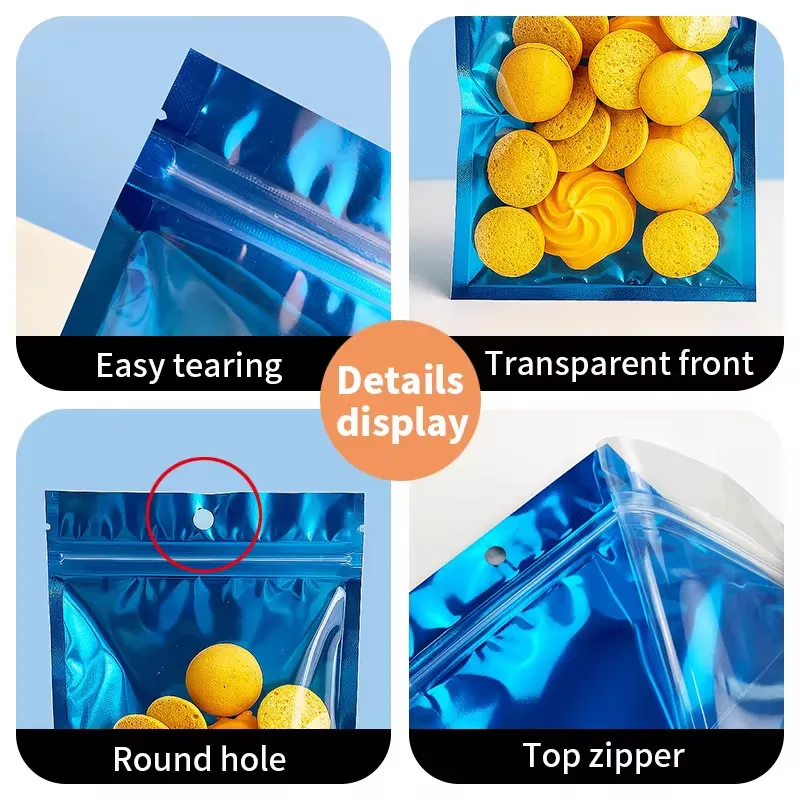
For businesses with recurring packaging needs, supply consistency can be more valuable than simply finding the lowest unit price.
How to Choose a Mylar Bag Supplier
Selecting the right supplier is just as important as selecting the right bag.
A reliable supplier should be able to explain how the packaging structure matches the product rather than simply offering a generic “Mylar” specification.
1. Ask About Material Structure
A supplier should be able to explain the layers used and why they are suitable for your application.
2. Check Barrier Performance
Ask whether the structure is designed for the moisture, oxygen, and light protection your product requires.
3. Request Samples
Samples allow your team to evaluate:
- Bag appearance
- Dimensions
- Material feel
- Seal performance
- Filling compatibility
- Printing quality
4. Evaluate Production Consistency
For long-term purchasing, consistency between batches is important.
Ask about quality control for:
- Film thickness
- Dimensions
- Sealing
- Printing
- Material structure
5. Consider Supply Capability
If you regularly purchase packaging, evaluate:
- Production capacity
- Lead time
- Order flexibility
- Communication
- Shipping capability
This is particularly important for distributors and brands that need a stable packaging supply throughout the year.
FAQ
Q1: Are Mylar bags suitable for food storage?
Yes, properly selected Mylar-based laminated bags can be suitable for food packaging. The material structure must be appropriate for the product, intended use, and applicable food-contact requirements.
Q2: What are Mylar bags made of?
Commercial bags marketed as Mylar bags are commonly made from laminated film structures. Polyester-based film may be combined with metallized film, aluminum foil, polyethylene, or other functional layers depending on the required barrier and sealing performance.
Q3: How do you seal a Mylar bag?
Mylar food storage bags can generally be heat sealed when their structure includes a suitable heat-sealing layer. Some formats also include a zipper for resealing after the initial package is opened.
Q4: Are resealable Mylar bags suitable for food packaging?
They can be suitable when the material structure and closure are appropriate for the product. Resealable formats are particularly useful when consumers need to open and close the package repeatedly.
Conclusion
Choosing the right Mylar food storage bags requires a product-focused approach. Instead of selecting packaging based only on thickness, appearance, or price, food packaging buyers should evaluate barrier performance, material structure, sealing method, bag dimensions, filling compatibility, and supply consistency.
For brands and distributors, the right packaging structure can provide a balance between product protection, consumer convenience, production efficiency, and purchasing cost.
Whether you need standard packaging for regular orders or a packaging solution designed around a specific food product, working with an experienced flexible packaging supplier can make the sourcing process more efficient.
Why Choose Lebei Packaging?
Lebei Packaging is a professional flexible packaging supplier offering a broad selection of ready-to-ship pouches for food, snacks, coffee, nuts, and more, along with custom packaging solutions for specific brand requirements. With factory-direct supply, practical packaging options, and experienced support, Lebei helps wholesalers, distributors, and food brands source reliable packaging efficiently. Contact Lebei Packaging to find the right solution for your products.