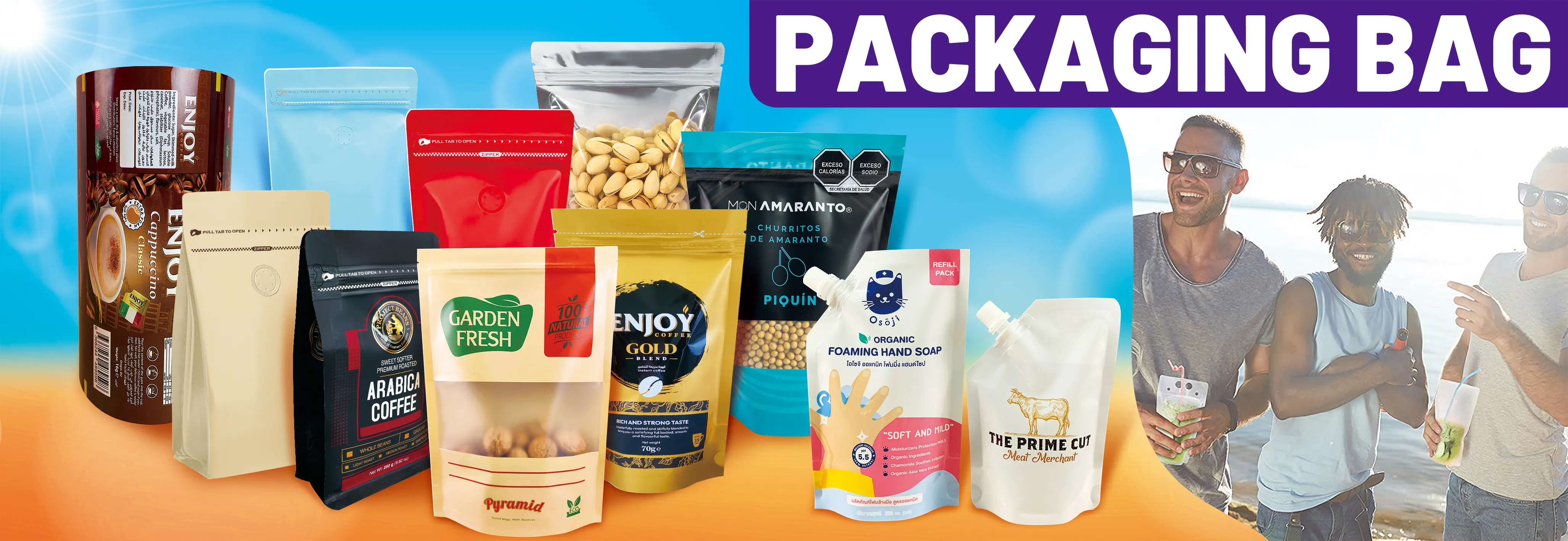
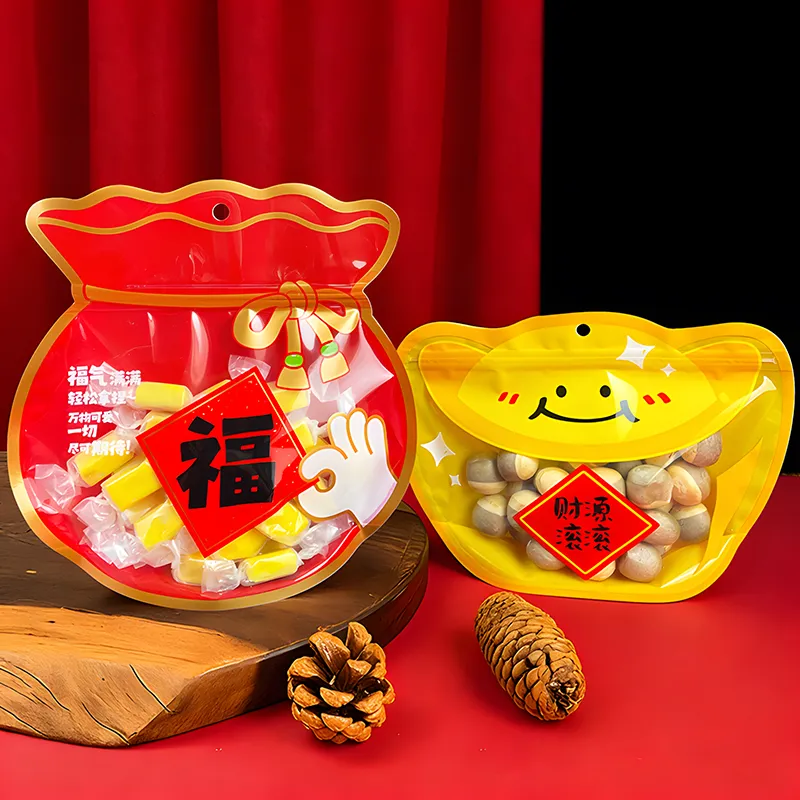
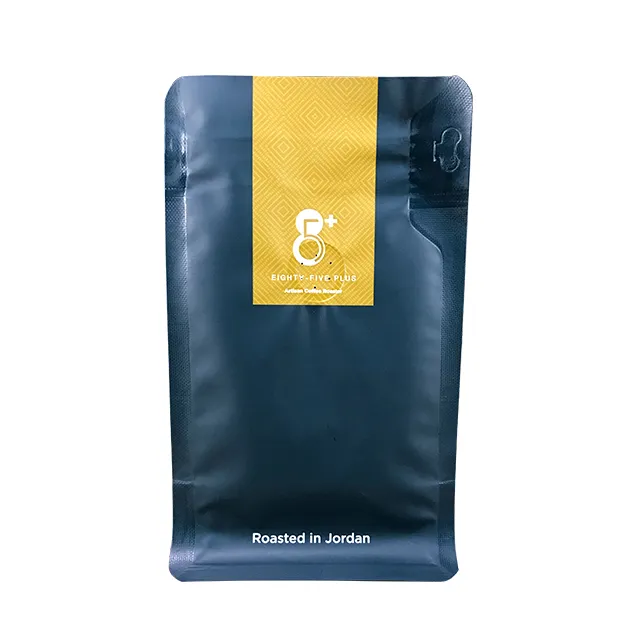
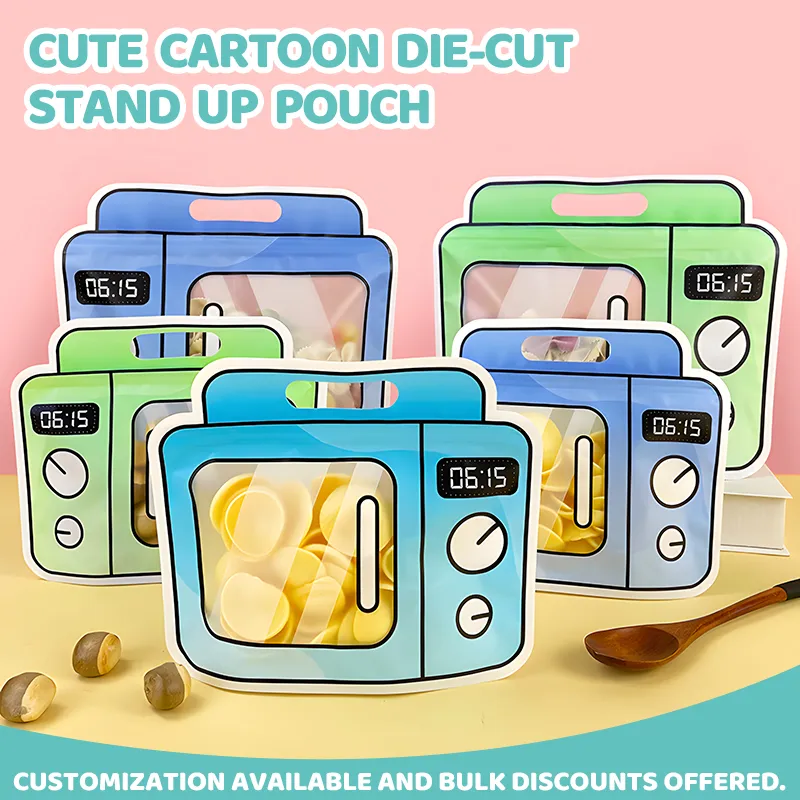
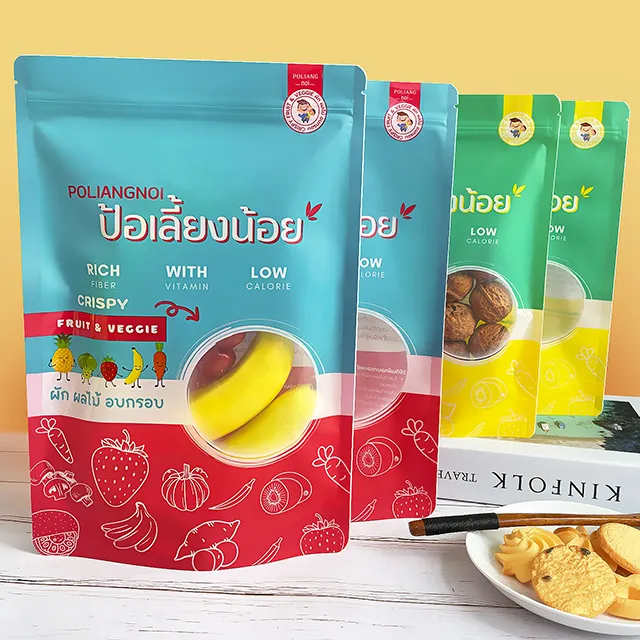
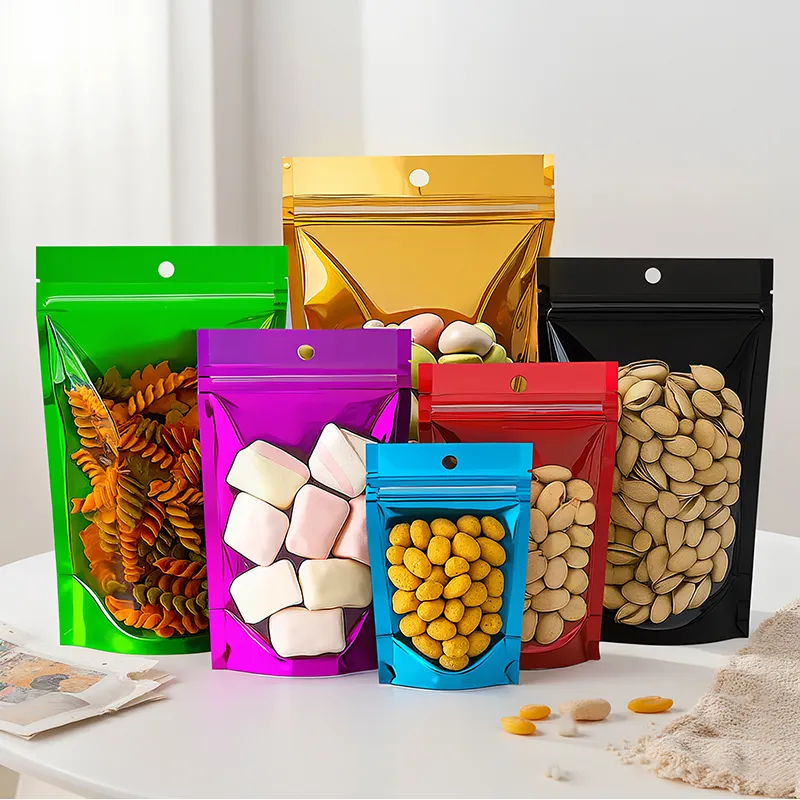
As ecotelligence grows, recyclable flexible packaging is currently a leading fashion in the packaging industry. Flexible packaging is widely used for packaging a wide range of products due to its lightness, flexibility, and effectiveness. Recyclable flexible packaging provides excellent market opportunities with environmental safety. This article will investigate the types, characteristics, and uses of recyclable flexible packaging, and its ecological value in the contemporary packaging market. Finally, we will present Lebei, a leading unprinted neutral bag factory.
Basic Definition and Characteristics of Recyclable Flexible Packaging
Flexible packaging is packaging whose form of container is changeable according to filling or emptying products. Flexible packaging material such as plastic film, paper, aluminum foil, and composite of above are usual. Compared with traditional rigid packaging, flexible packaging possesses the following extraordinary advantages:
- Flexibility: It can contain products in varying sizes and shapes and allow for variation in package shape.
- Lightweight: Being heavier in comparison to rigid packaging, flexible packaging is lighter, making shipping costs less expensive.
- Barrier Properties: With multi-layer composite material, it effectively prevents oxygen, moisture, and light, extending the shelf life of a product.
- Environmental Protection: New-generation flexible packaging is increasingly dependent on recyclable or biodegradable materials, as befits sustainable development requirements.
- Printability: Suitable for high-quality printing, it can effectively promote brand image and attract consumers.
- Space Saving: Flexible packaging is tight in its empty state and thus simple to pack and ship.
Principal Types and Materials of Recyclable Flexible Packaging
There exist many types of recyclable flexible packaging based on material and form. These include:
Type based on Material
Paper Flexible Packaging
Paper Flexible Packaging, due to its recyclable and biodegradable attributes, enjoys numerous applications across the food, daily chemical, electronic, and other industries. Paper packaging, in comparison to other alternatives, is less costly to manufacture and more environmentally friendly, in line with prevailing environmental trends.
Plastic Flexible Packaging
The most widely used type of recyclable flexible packaging today is plastic flexible packaging. Common recyclable plastics are:
- PET (Polyethylene Terephthalate): Offers good transparency and high impact strength, and is used widely in food packaging and beverage bottles.
- HDPE (High-Density Polyethylene): Widely used in milk bottles and detergent bottles, it possesses superior mechanical properties and cold and heat resistance.
- PP (Polypropylene): Lightweight, heat-resistant, and nontoxic, it is used widely in food packaging.
- LDPE (Low-Density Polyethylene): Widely used in packaging food items such as instant noodles, biscuits, and pickled mustard.
Aluminum Foil Flexible Packaging
Flexible packaging using aluminum foil offers excellent barrier properties that preserve the product freshness and nutritional value. It is best suited for use in food and pharmaceutical packaging. Aluminum foil is recyclable and can be melted to manufacture industrial products.
Composite Flexible Packaging
Composite materials entail the uniting of two or more materials. Composite materials tend to be more possessive of barrier and protection properties, but it is more difficult to recycle them. Paper and plastic film, and metal foil and plastic film are examples of composite materials.
By Function
- Retort bags: Primarily for packaging food that requires retorting, such as meat and poultry, require higher barrier properties and retort resistance.
- Boiled bags: Specifically for containing any form of boiled food and capable of resisting high-heat sterilization without leakage or delamination.
- Specialized packaging: Thermal paper and biodegradable packaging not only meet environment requirements but also offer added functionality, such as low-voltage printing and compatibility with fast-moving consumer conditions.
Recycling Methods for Recyclable Flexible Packaging
A recycling system is essential in a bid to achieve use of cyclical resources. Recycling of flexible packages, however, is hampered by such limitations as food contamination and material mixing. The following are the key recycling systems:
- Physical recycling processes: These include fixed-point recycling of containers, mobile on-site recycling plants, and mechanical segregation technologies for separating the different components of composite material.
- Chemical recycling methods: Packaging wastes such as plastics are broken down into small molecules through chemical degradation or thermal cracking and reformed into new materials.
- Energy recovery: Packaging waste is converted to usable energy by gasification or incineration.
Uses of Flexible Recyclable Packaging
Flexible recyclable packaging is widely used in various industries, including:
- Food packaging: used for the packaging of boiled foods, steamed food, ready-to-eat foods, and regular foods.
- Daily chemical packaging: used for chemically packaged items such as shampoo, conditioner, and cosmetics.
- Medical packaging: used for medication, medical devices, and ointment packaging.
- Other product packaging: used for the packaging of goods such as clothes, household products, and electronics.
Environmental Importance of Recyclable Flexible Packaging
Recyclable flexible packaging is extremely high in terms of environmental importance. It not only reduces the consumption of natural resources but also duly reduces environmental pollution, conserves energy, and reduces carbon emissions, which benefits the establishment of a circular economy. For example, recycling one ton of waste paper can produce 850 kilograms of premium paper, and recycling one ton of plastic bottles can supply 0.7 tons of secondary raw material to be utilized to manufacture new packaging material or other accessory products.
About Lebei
Lebei is a flexible packaging bags manufacturing company with a focus on ready to ship pouches . Lebei aims to provide customers with green, high-quality flexible packaging products to reduce the harmful environmental impacts of packaging. As one of the largest recyclable flexible packaging producers, Lebei focuses on adopting advanced manufacturing technologies and creating recyclable and biodegradable packaging materials to enhance sustainable development processes. We believe that with steady innovation and progress, we can enable customers to have more efficient and environmentally friendly packaging solutions, and can strive towards a greener future together.